Chegdomyn
Chegdomyn, The Russian Far East. 2019-2022.
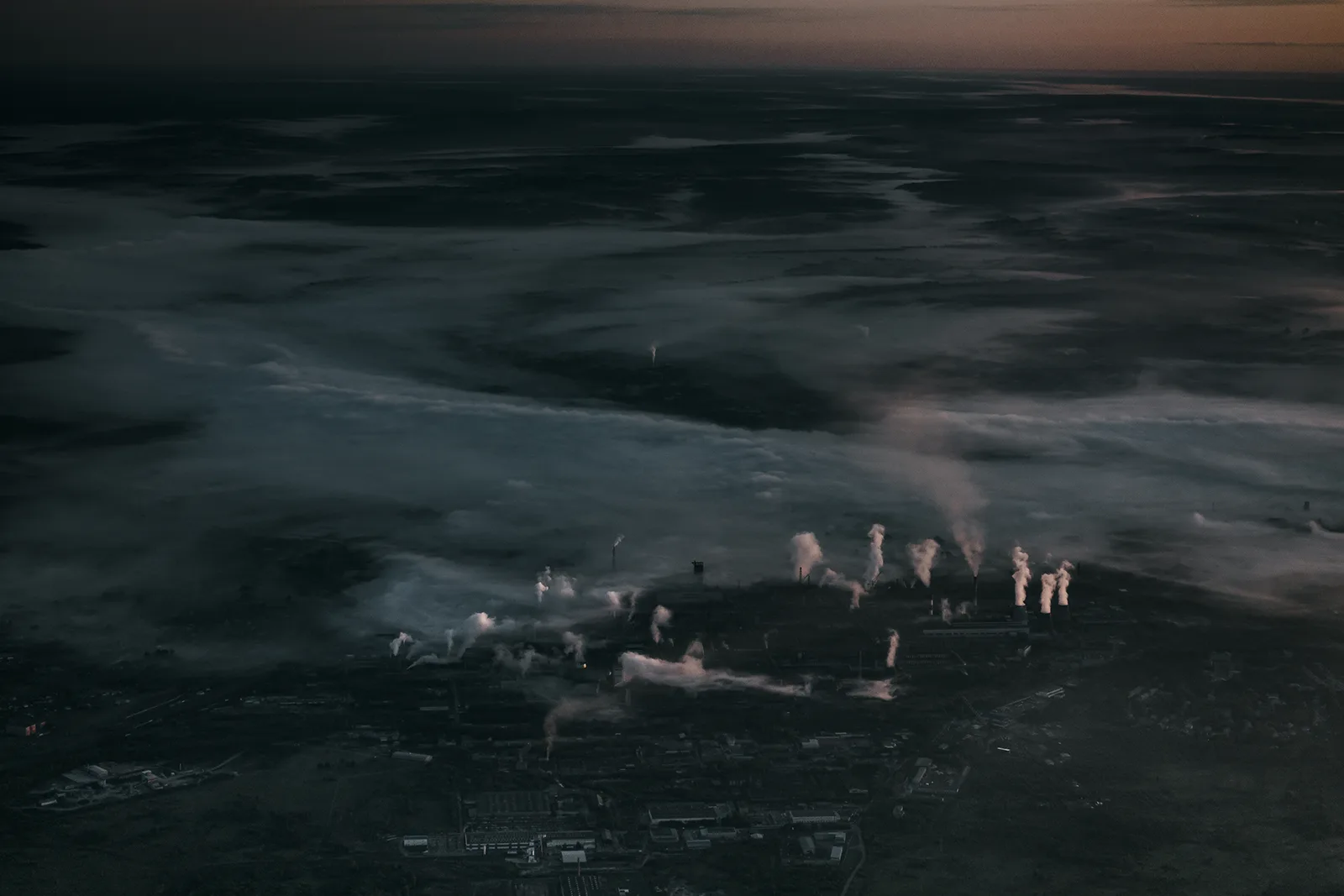
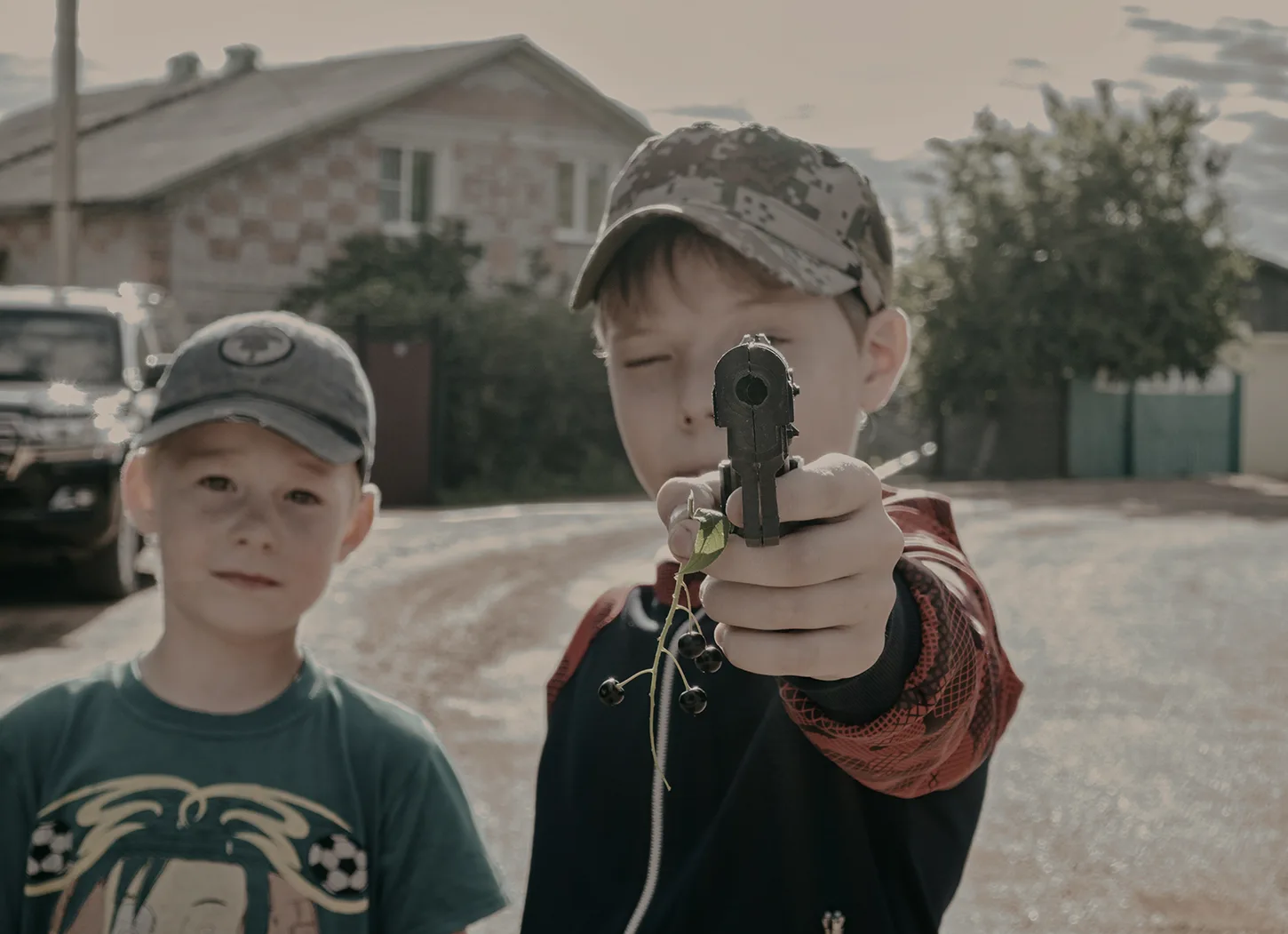
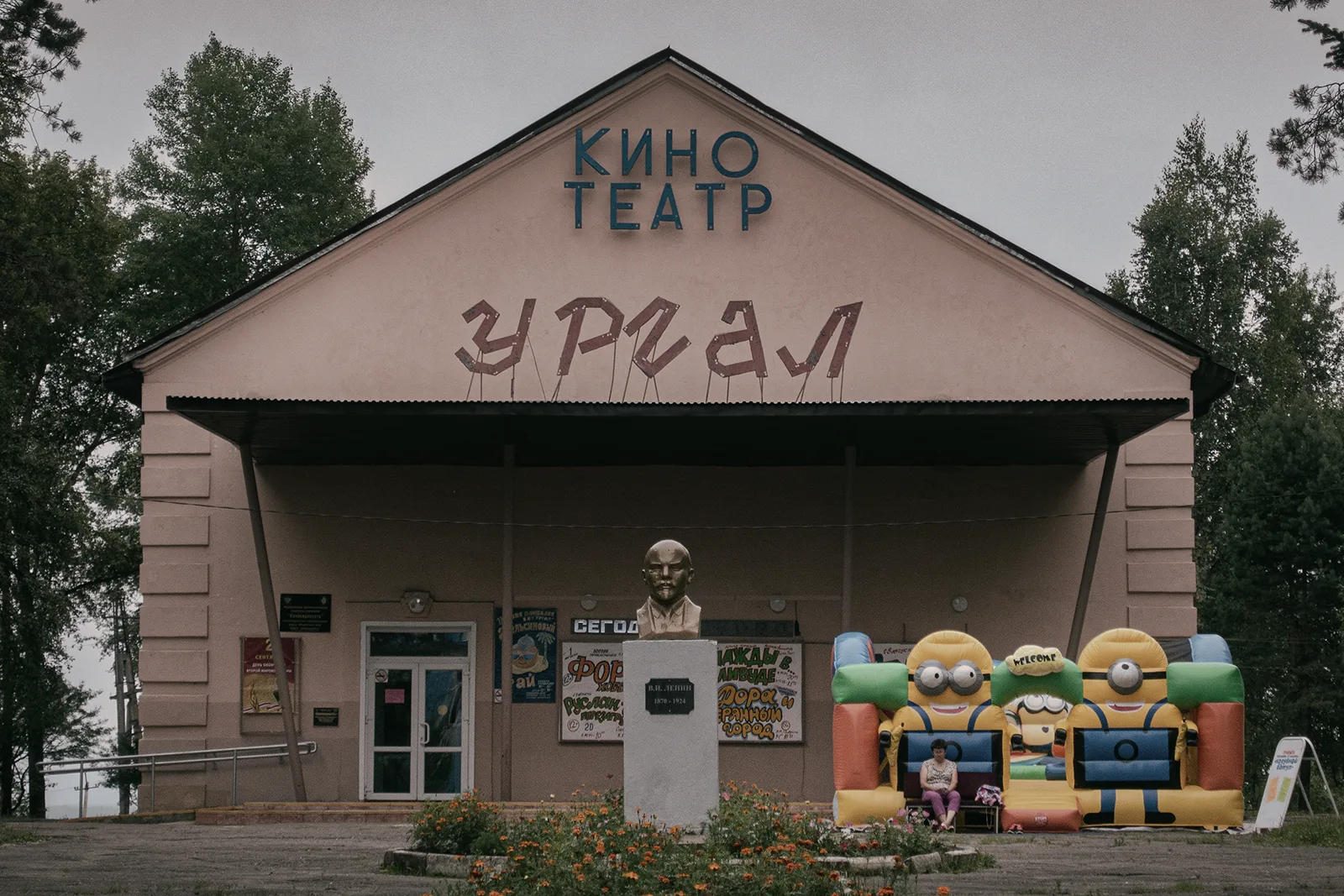
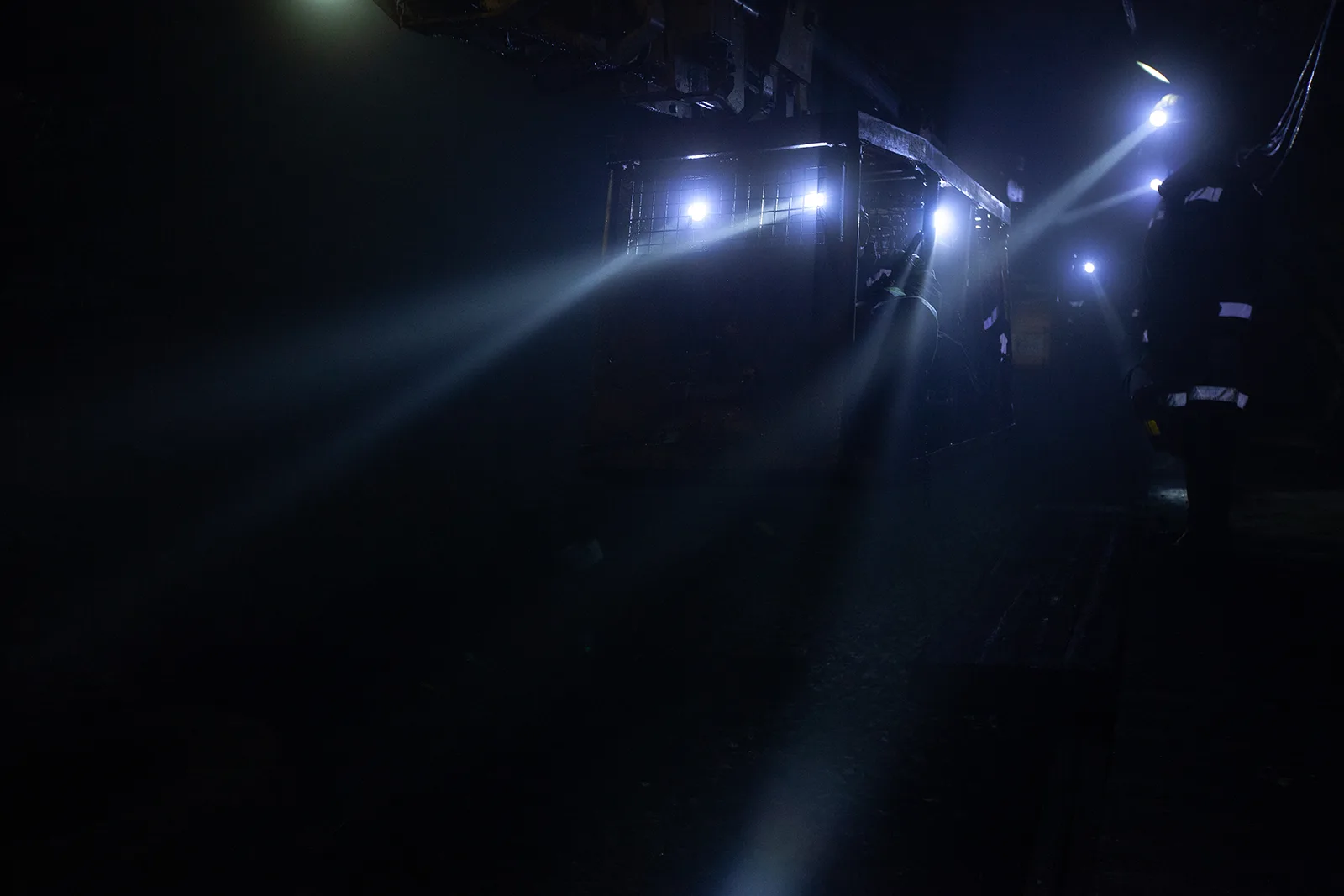
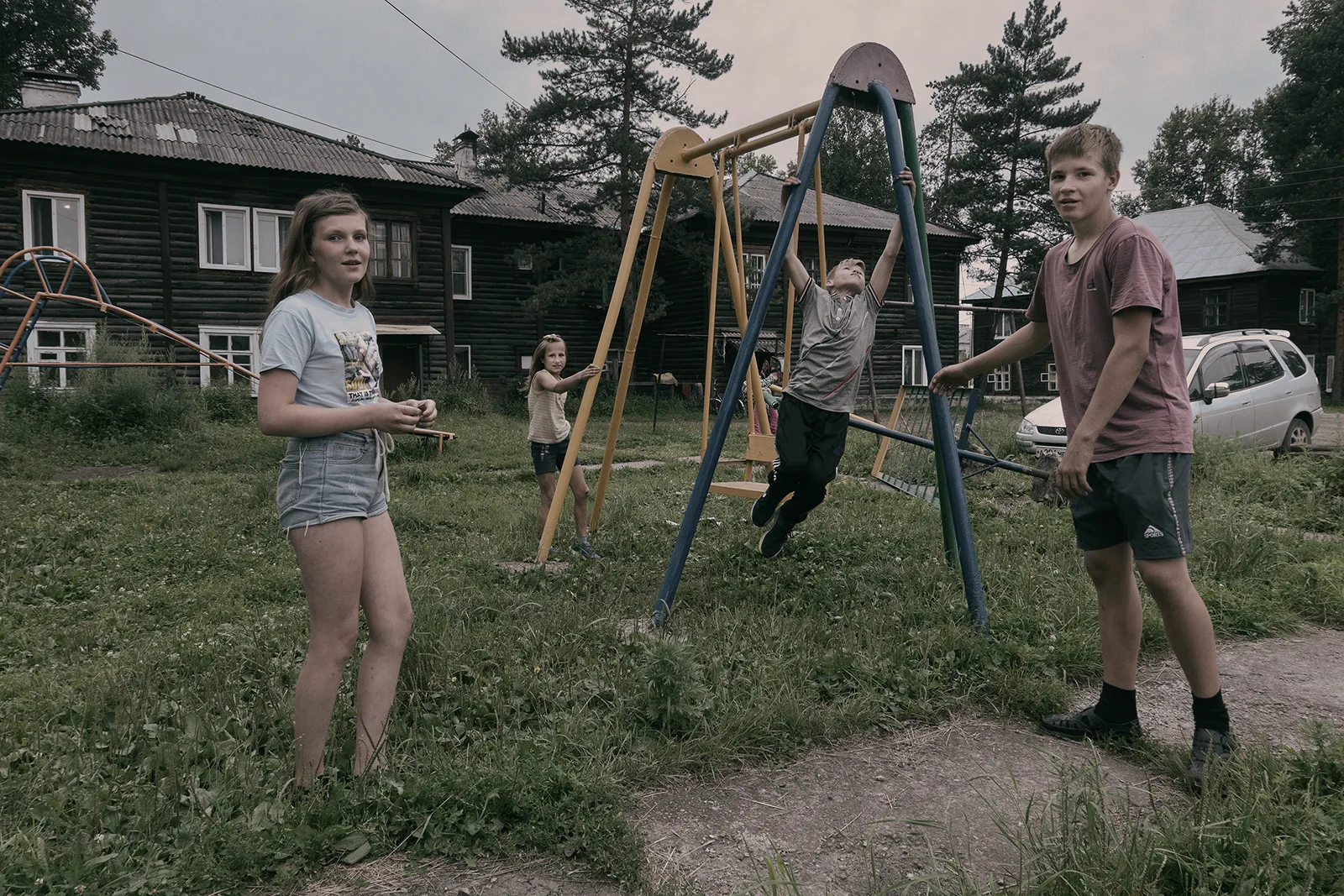
This photographic project is dedicated to the coal-mining towns of Russia, but its principal location is the settlement of Chegdomyn in Khabarovsk Krai. Its fate is in many ways typical of such places, which is why its name became the title of the whole project — as a collective image, a metaphor.
read more
Moreover, if one sets aside geographic and national particularities, such a settlement could just as easily be found in the coalfields of Appalachia in the United States, in El Cerrejón in Colombia, in Queensland in Australia, in Silesia in Poland, or in the Pas-de-Calais and the Lower Loire basin in France. Everywhere, the fate of these towns is bound up with poor ecology, high crime, ill health and unemployment — and where the mines have closed, the decline has still not been overcome. Silent Hill was never invented: it exists, in numerous copies, for real.
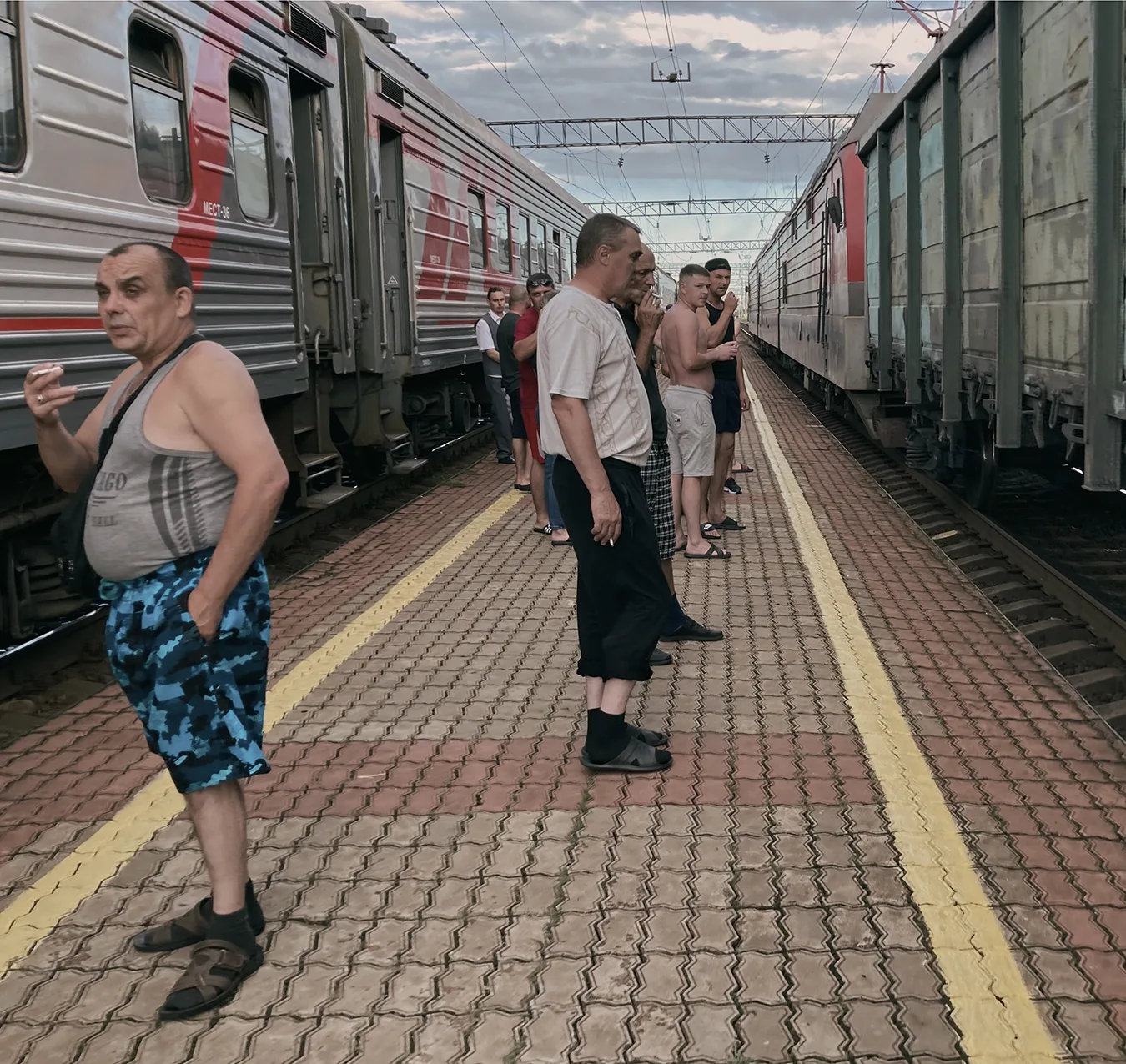
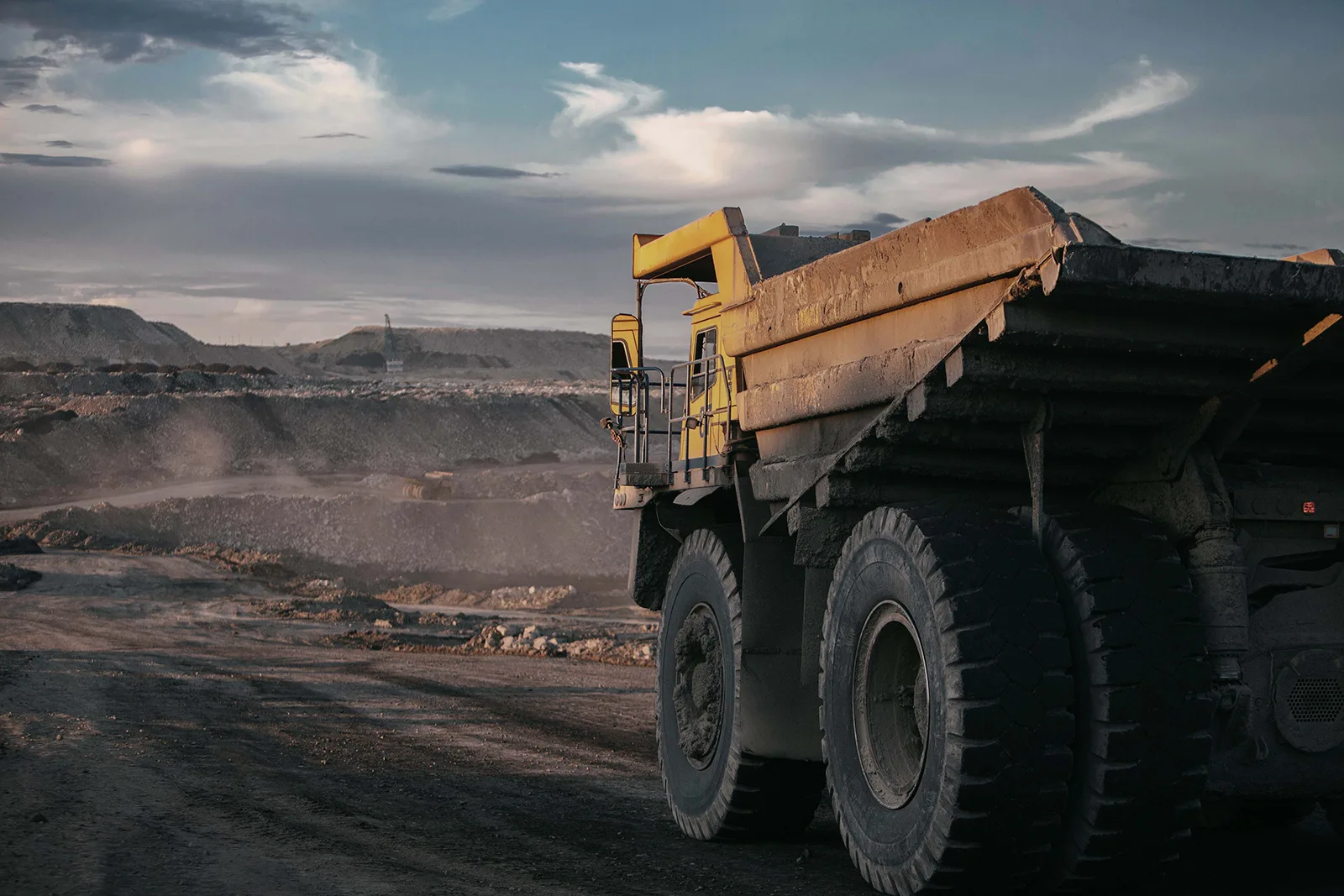
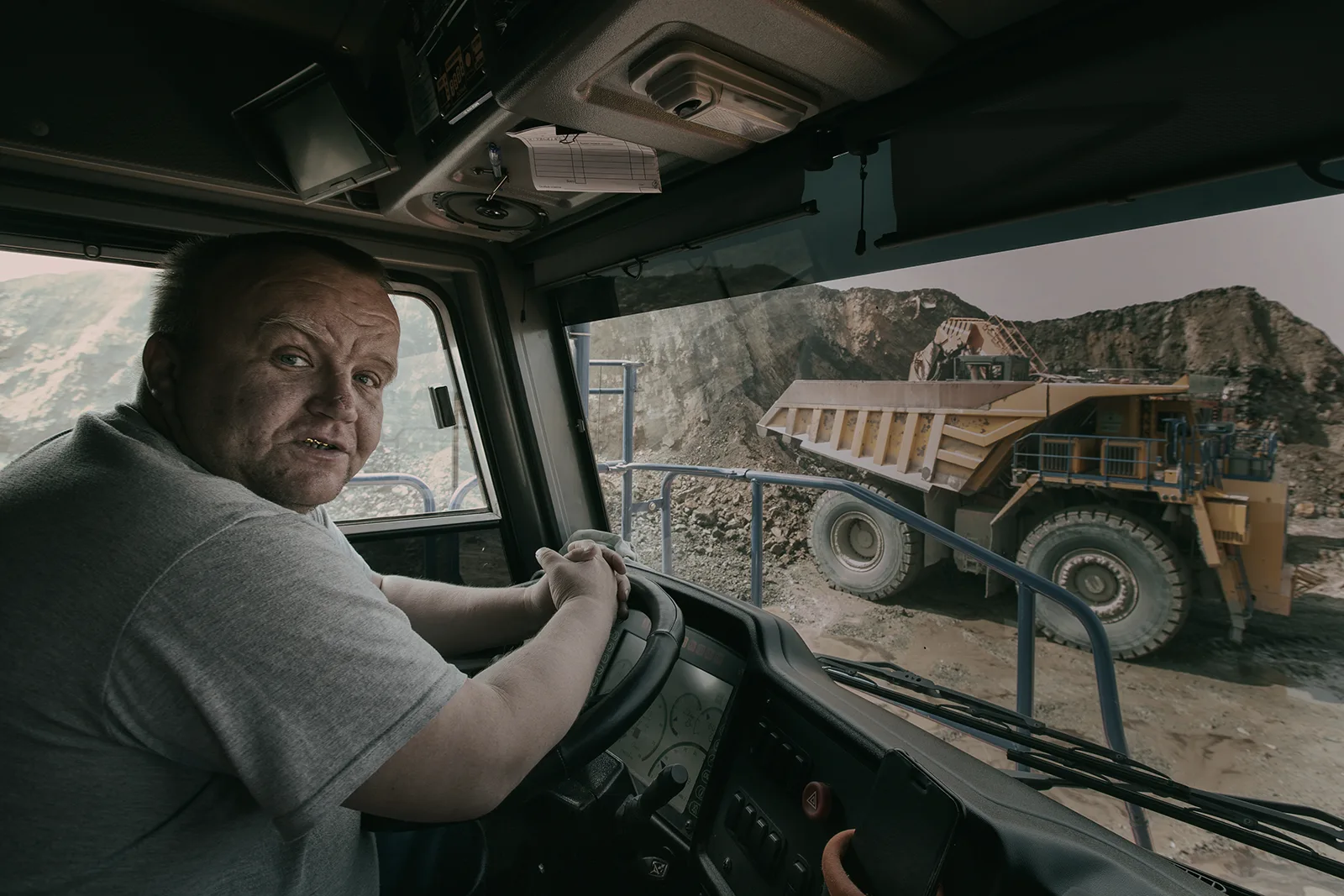
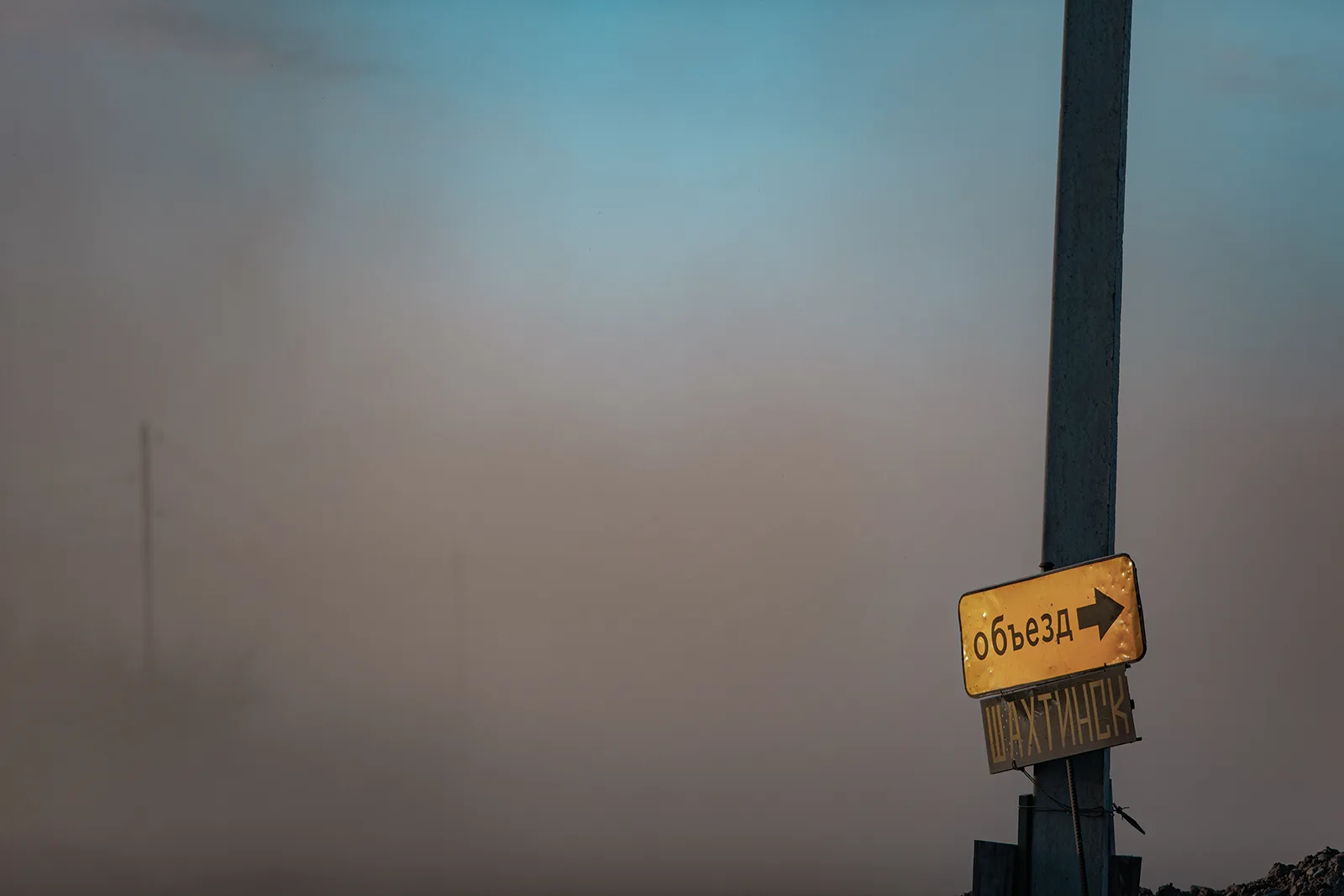
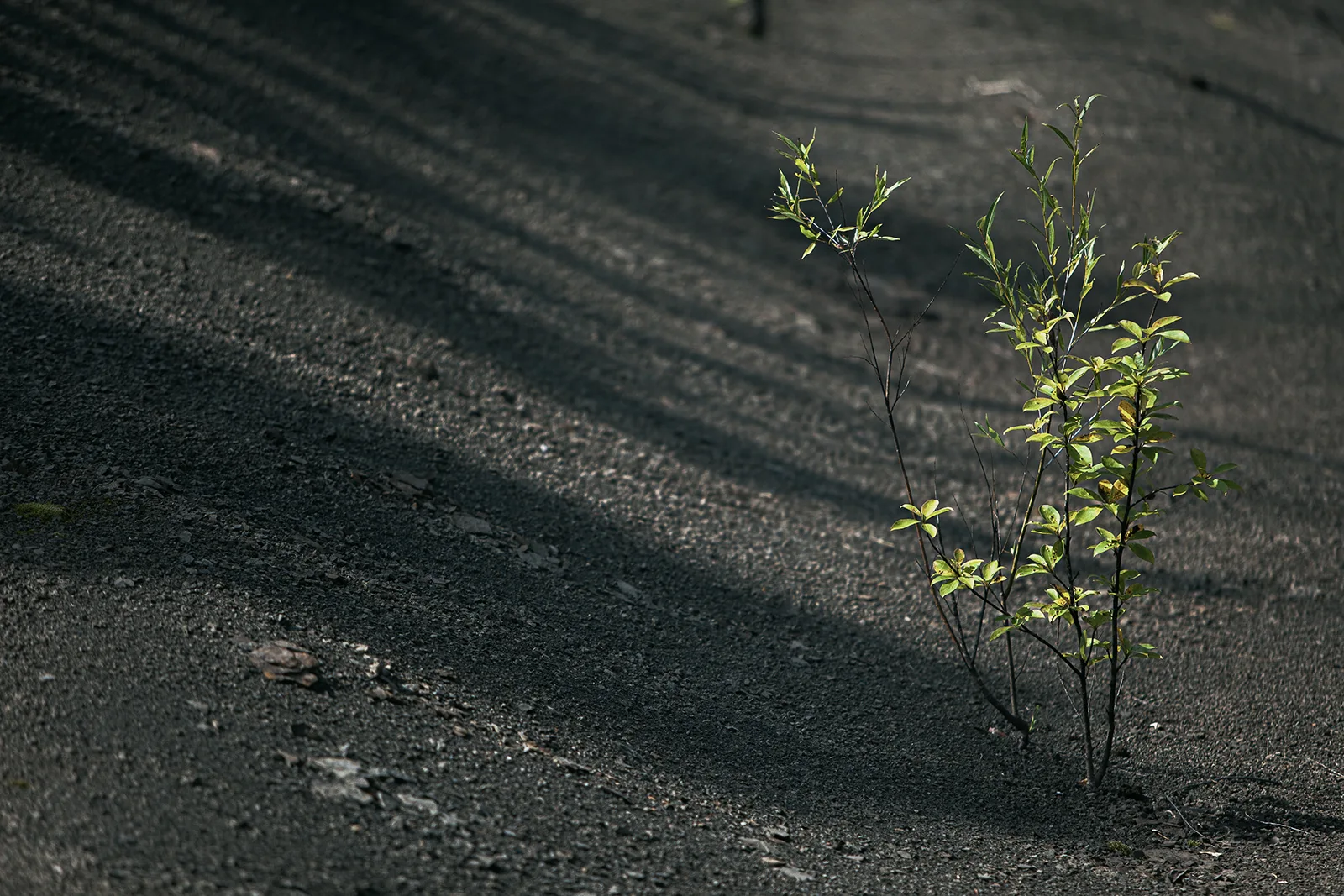
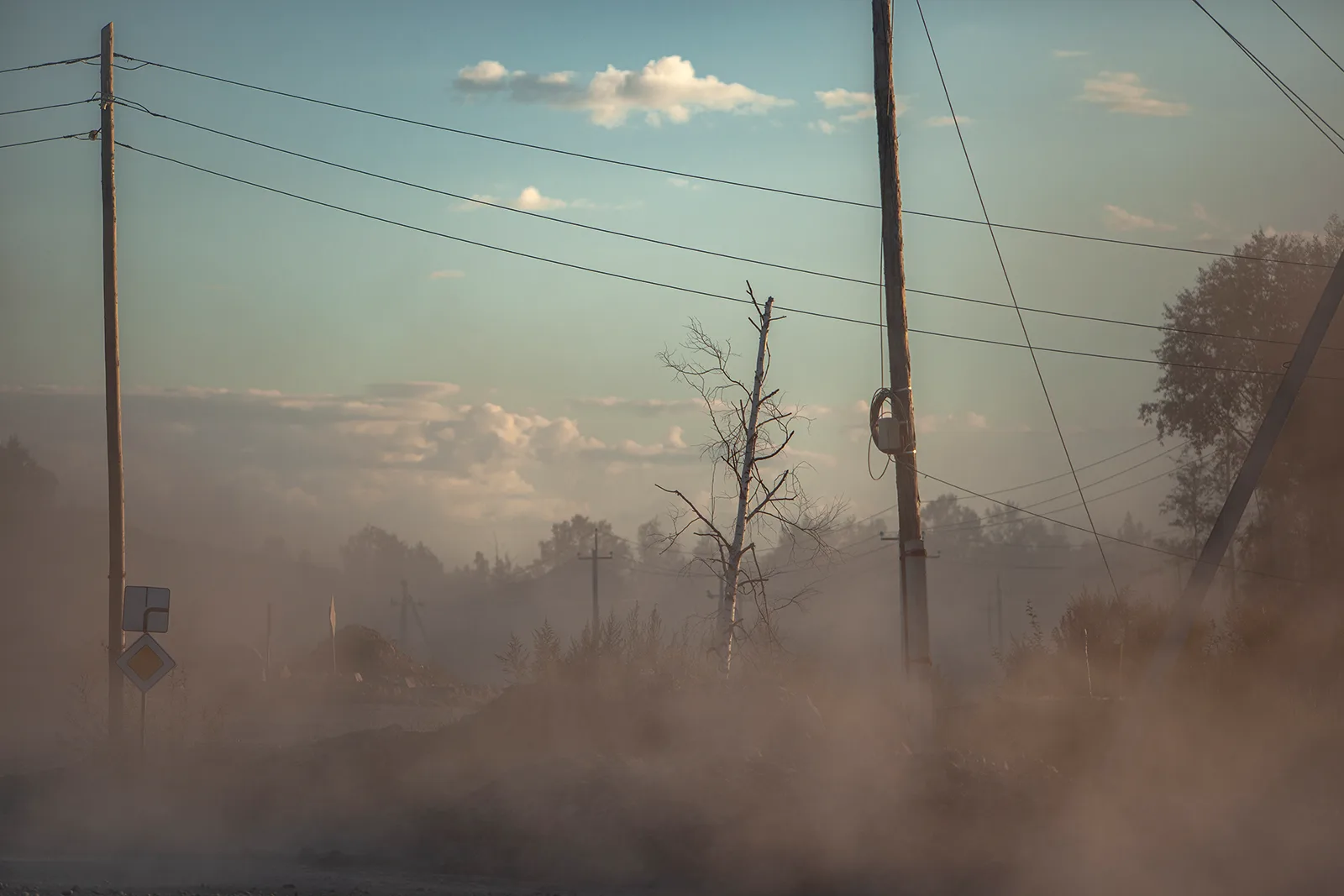
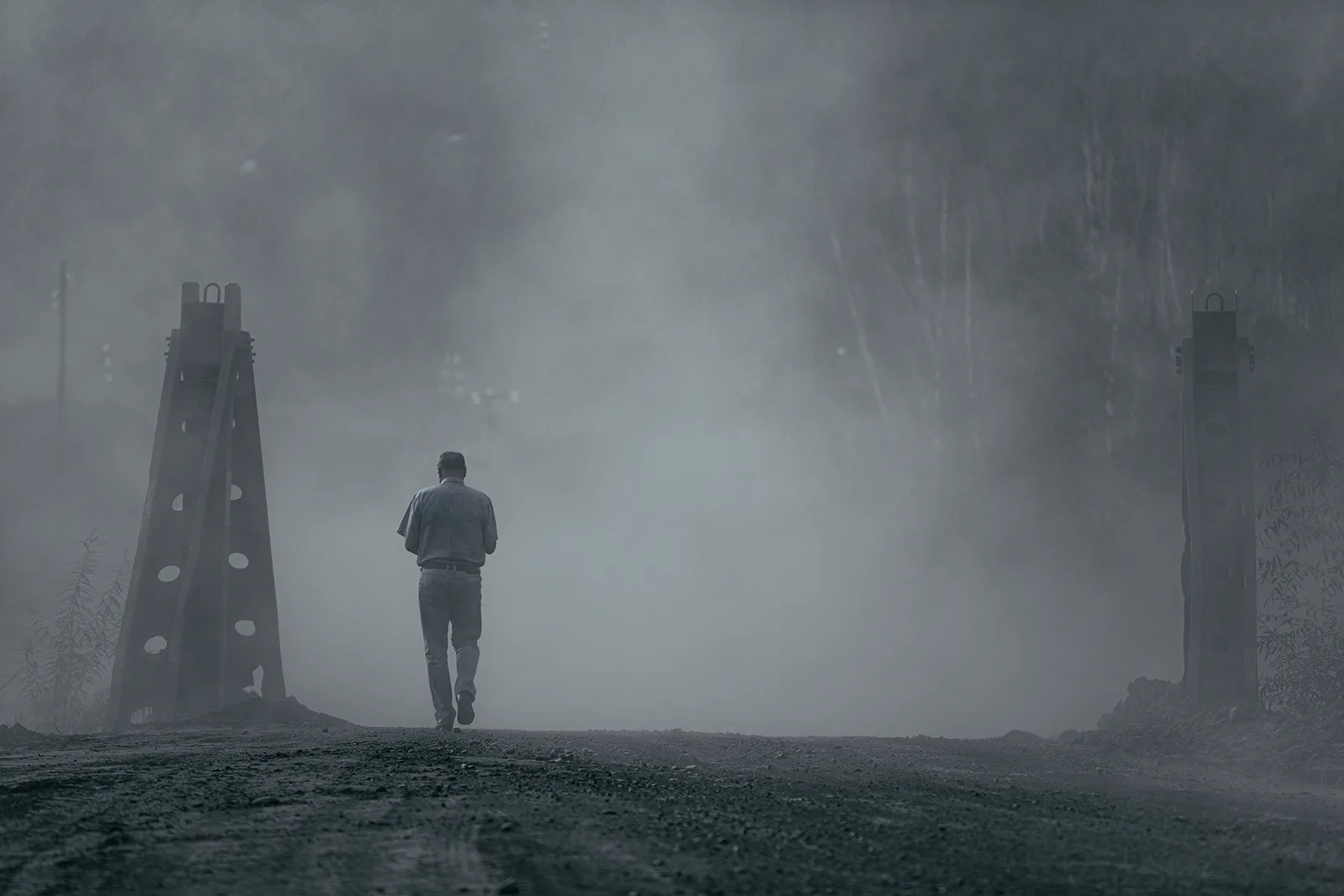
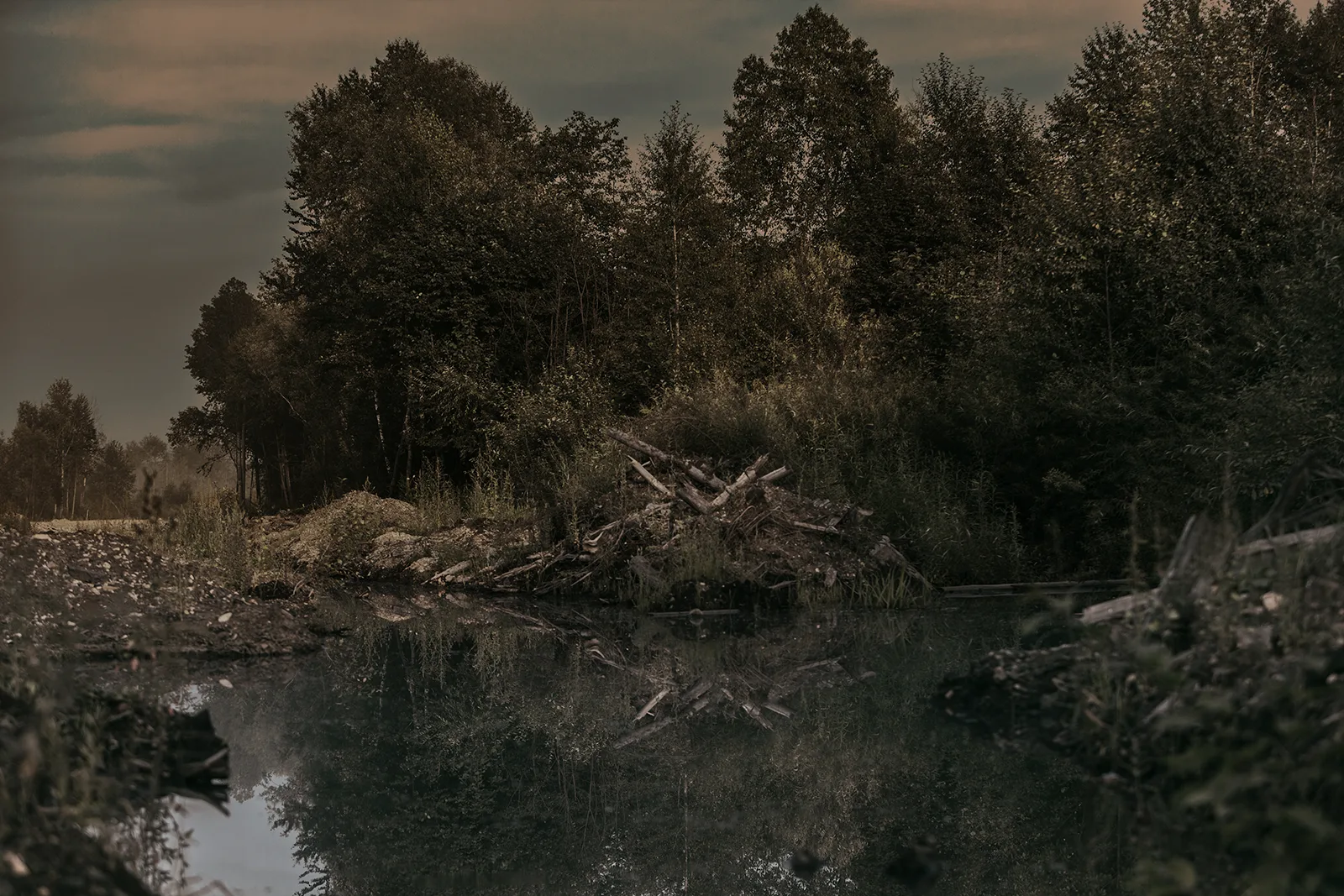
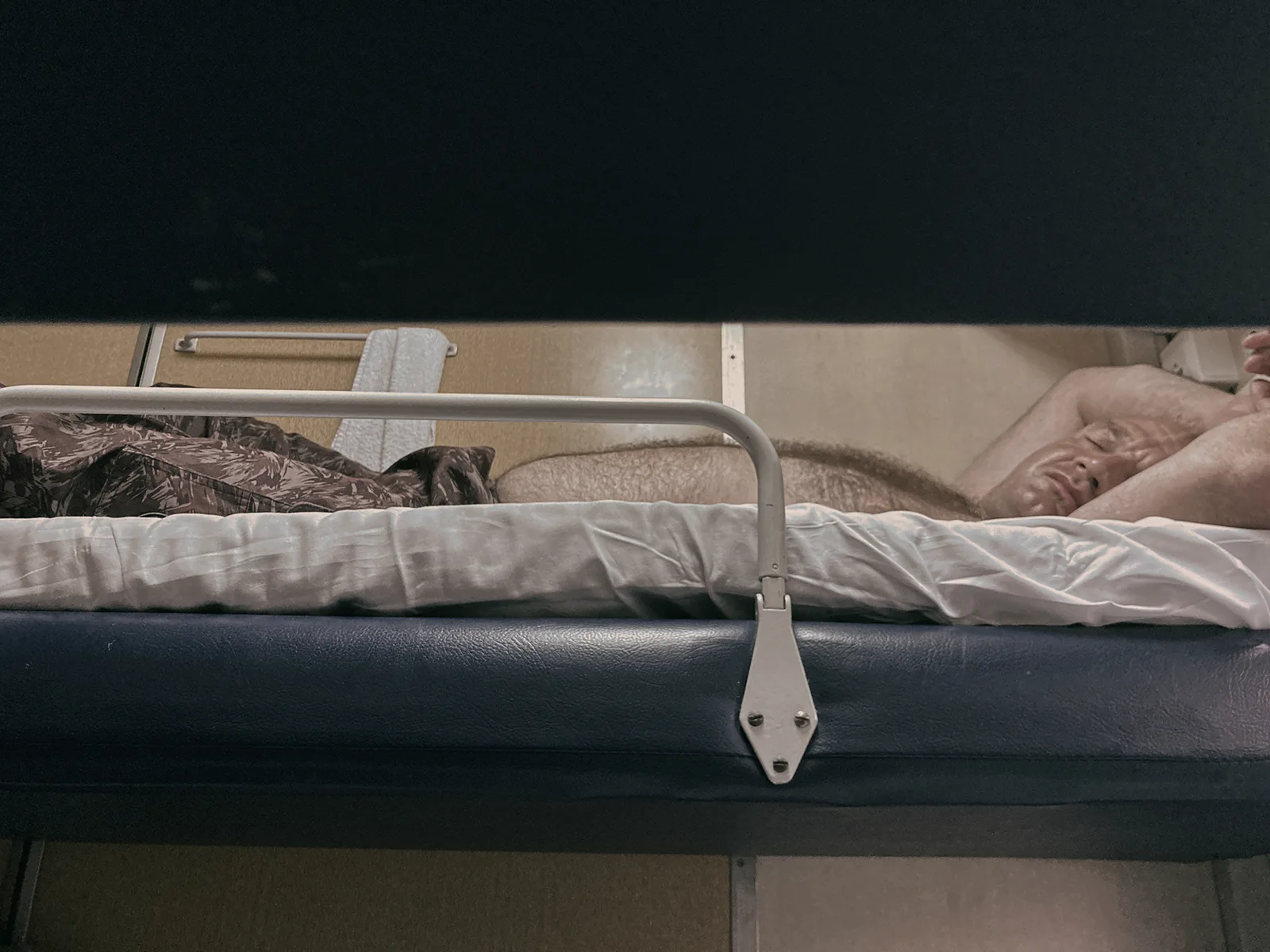
Unlike most of Europe, in Russia extraction continues and is backed by a powerful infrastructure, around which single-industry towns have grown — towns whose population has become hostage to a lopsided labour market. The main coal-mining regions lie in the Kuzbass and the Far East. Chegdomyn itself is located 650 km north of Khabarovsk, reachable only by rail, a journey of sixteen hours. This is a harsh land, where temperatures range from −45 °C in winter to +30 °C in the very short summer. The population is steadily declining, so most of those working at the coal enterprises are rotational workers arriving from neighbouring regions. This transient life breeds a predatory attitude toward the environment: everywhere the air is saturated with coal dust, especially in the dry season, when the wheels of enormous mining haul trucks carry it for dozens of kilometres around. The risk of cancers and allergies here is several times higher.
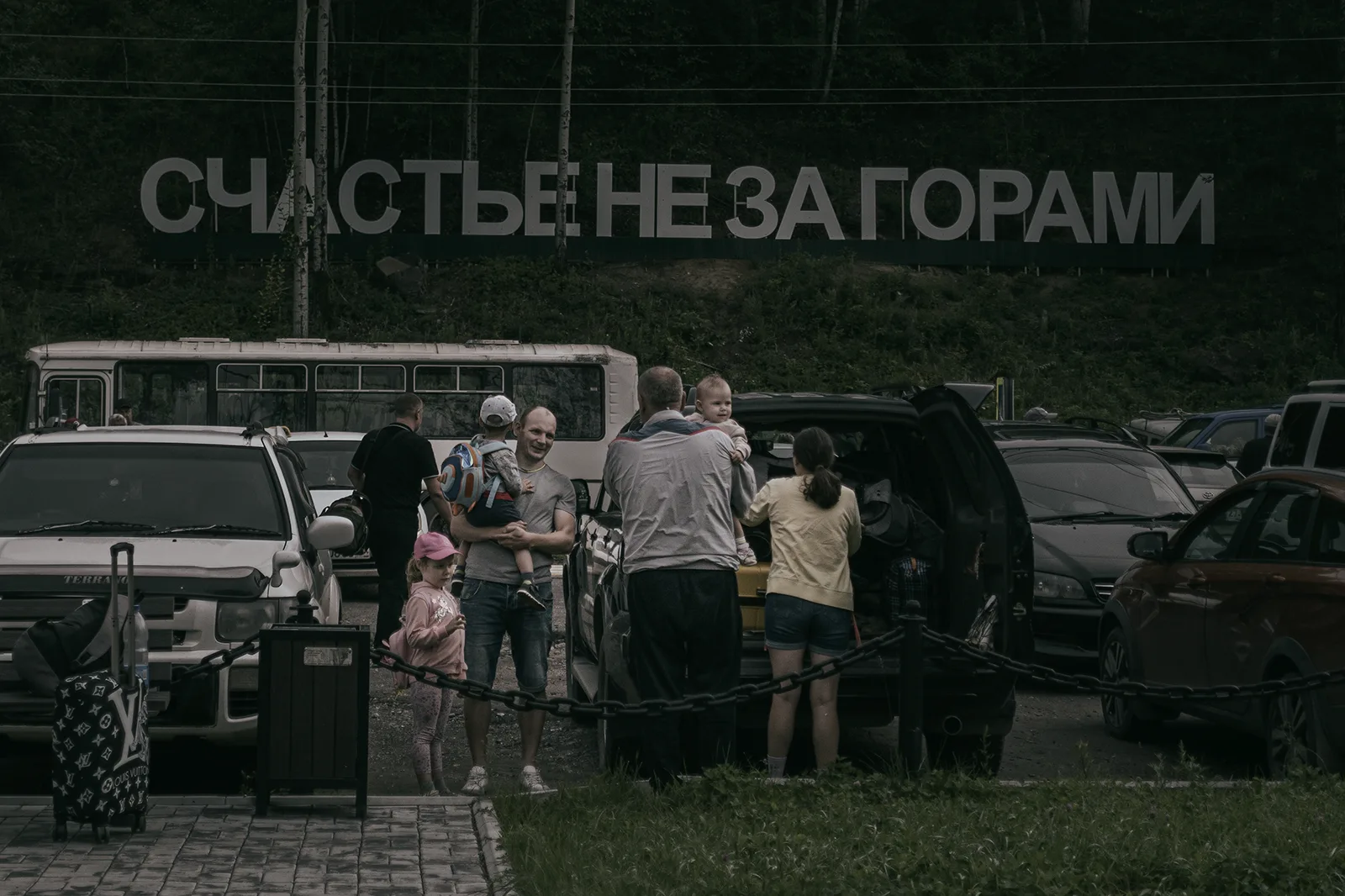
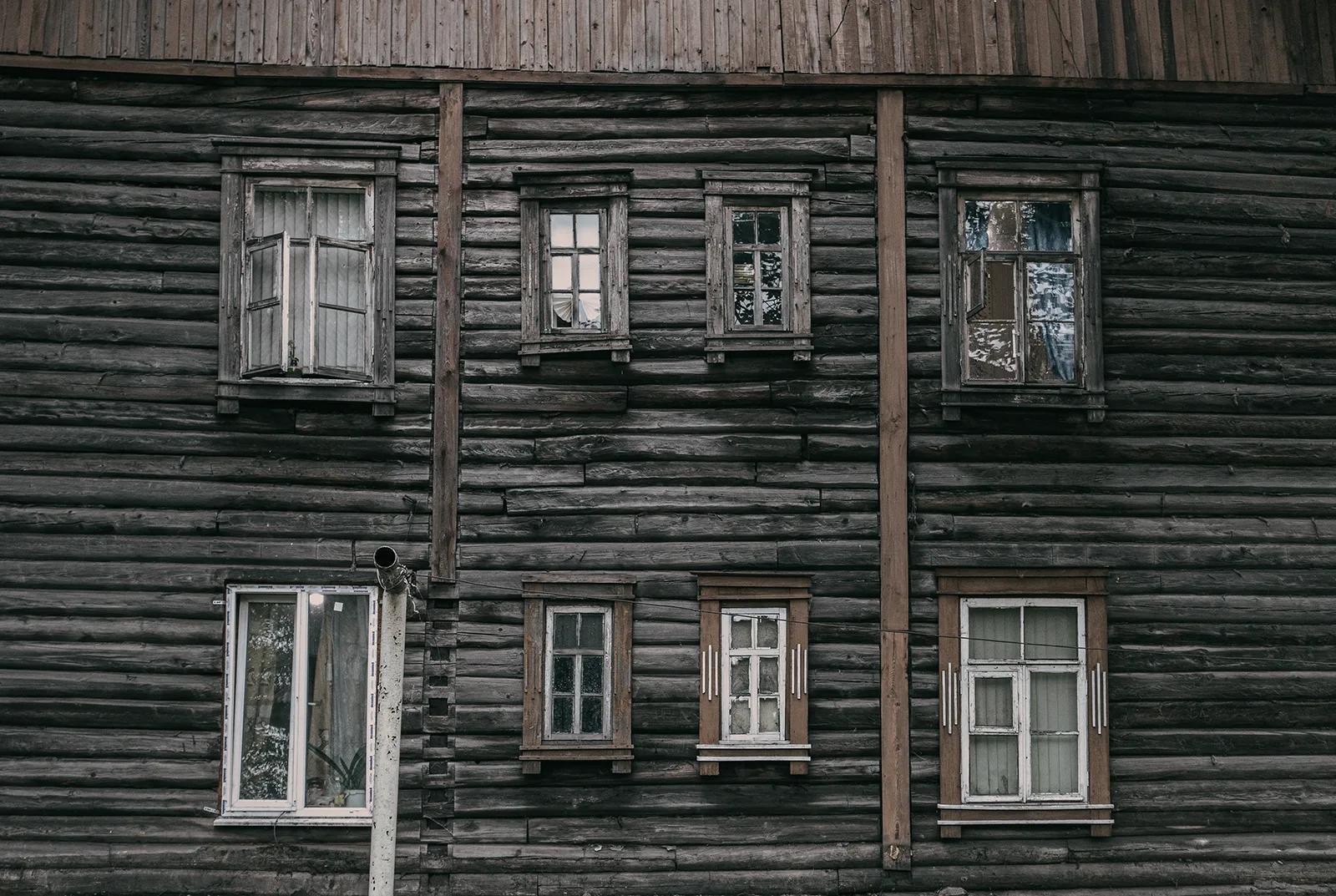
Most single-industry mining towns, Chegdomyn among them, were built under Soviet rule by the hands of prisoners of Stalin’s concentration camps. So too was the railway itself, whose terminal station is adorned with a postmodern banner straight out of the capital’s art galleries: “Happiness Is Not Far Away.” Some of the wooden log houses were moved to Chegdomyn after Stalin’s death in 1953. People still live in them. Even now, ninety years later, many of the settlement’s residents have prison experience behind them, and public safety remains a serious problem.
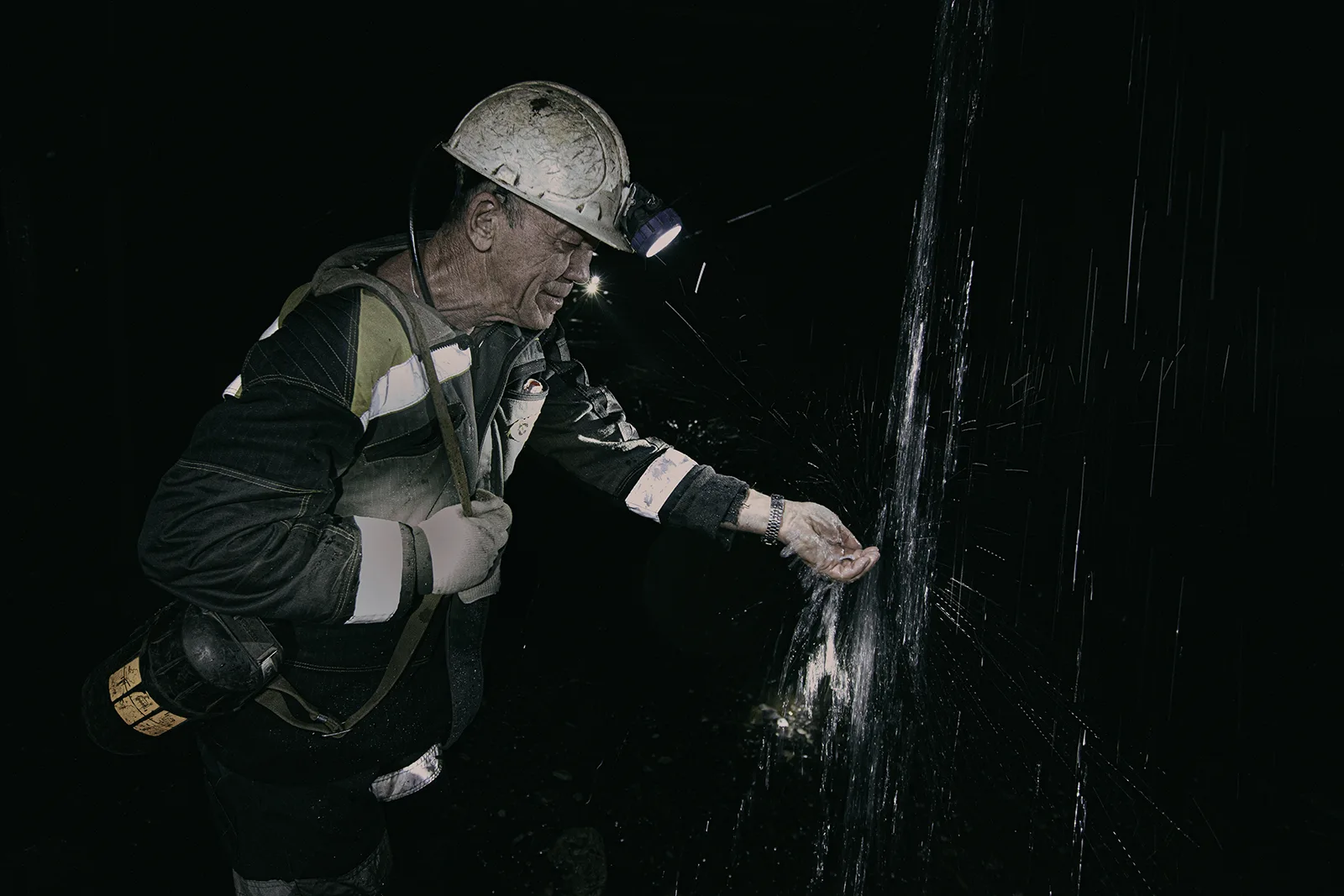
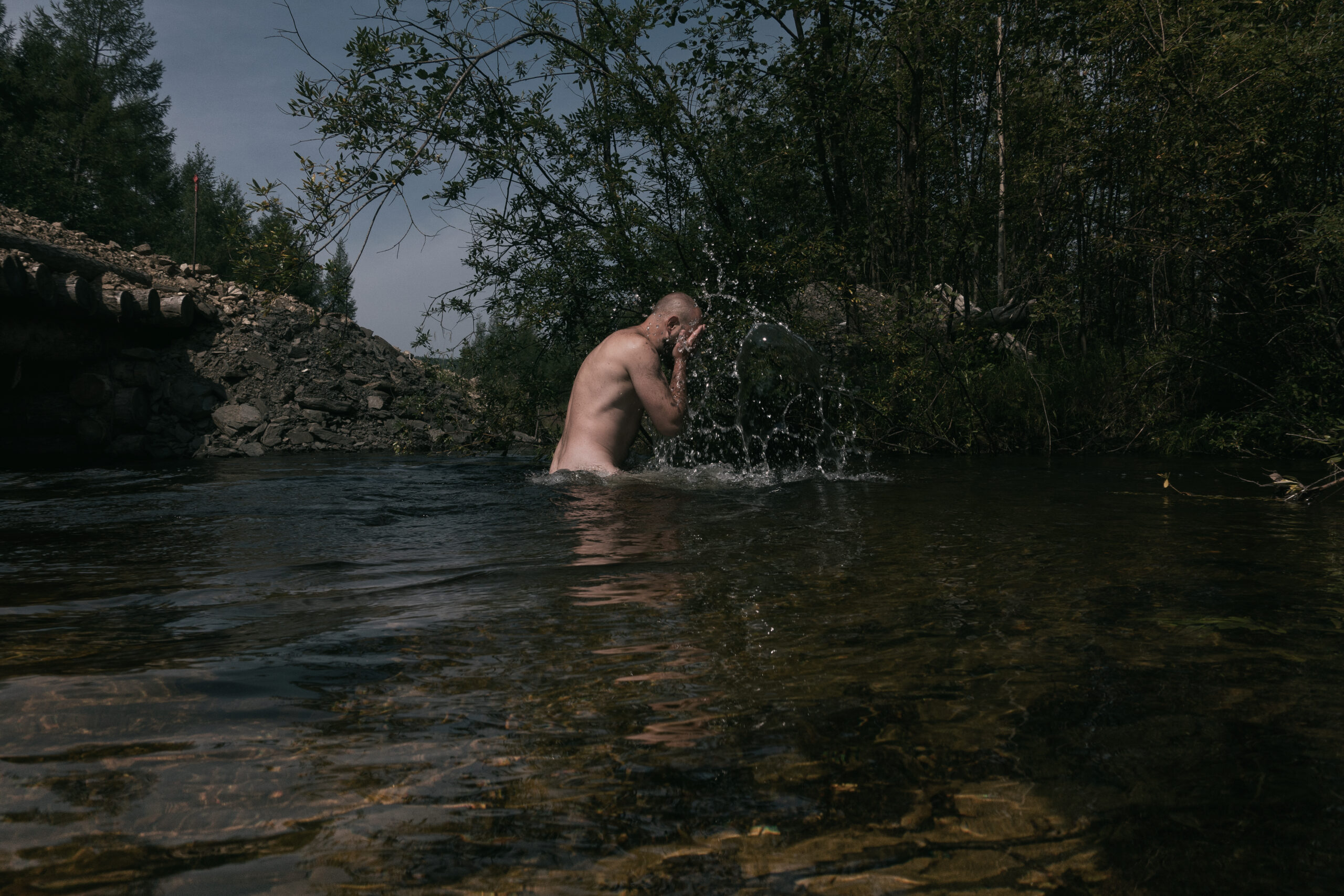
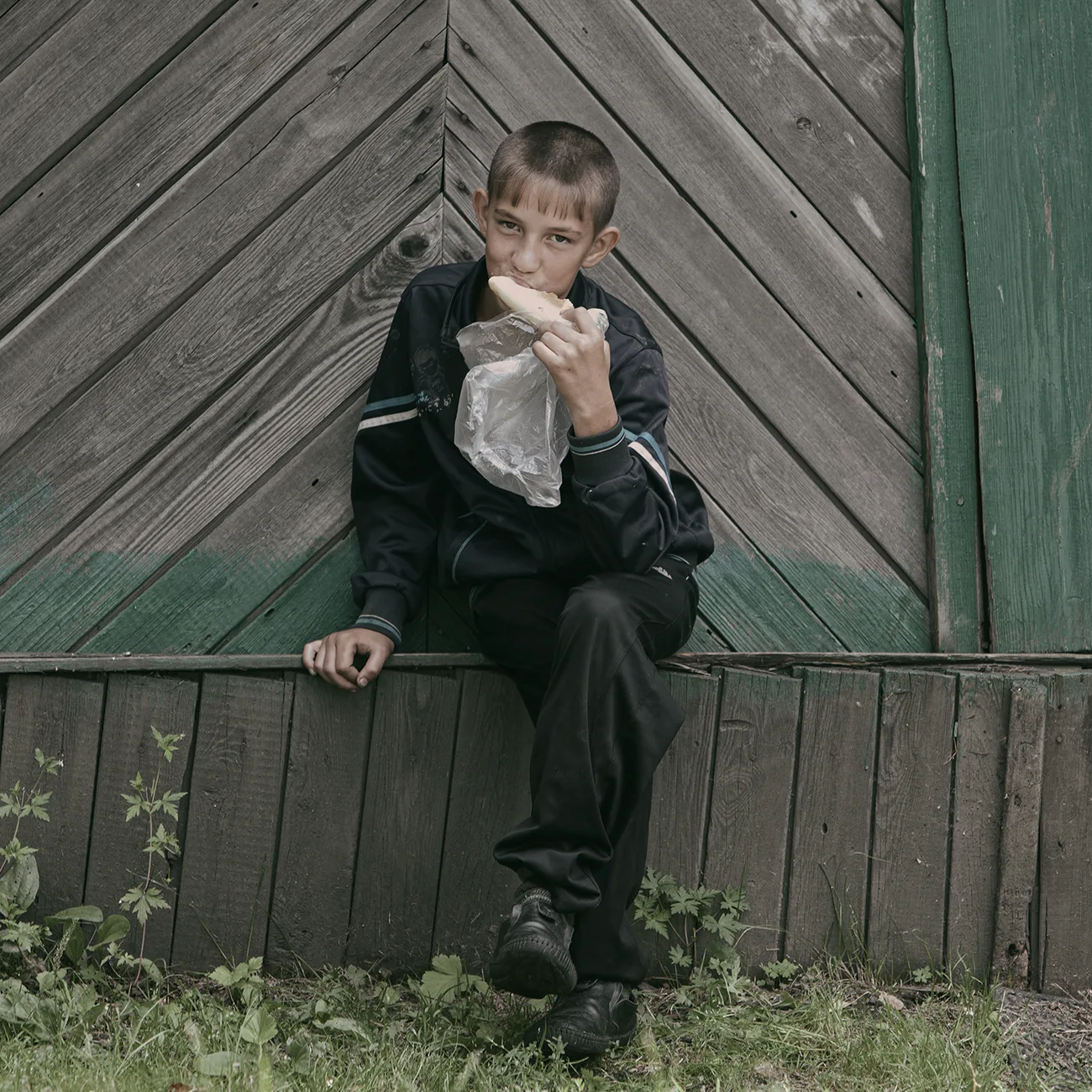
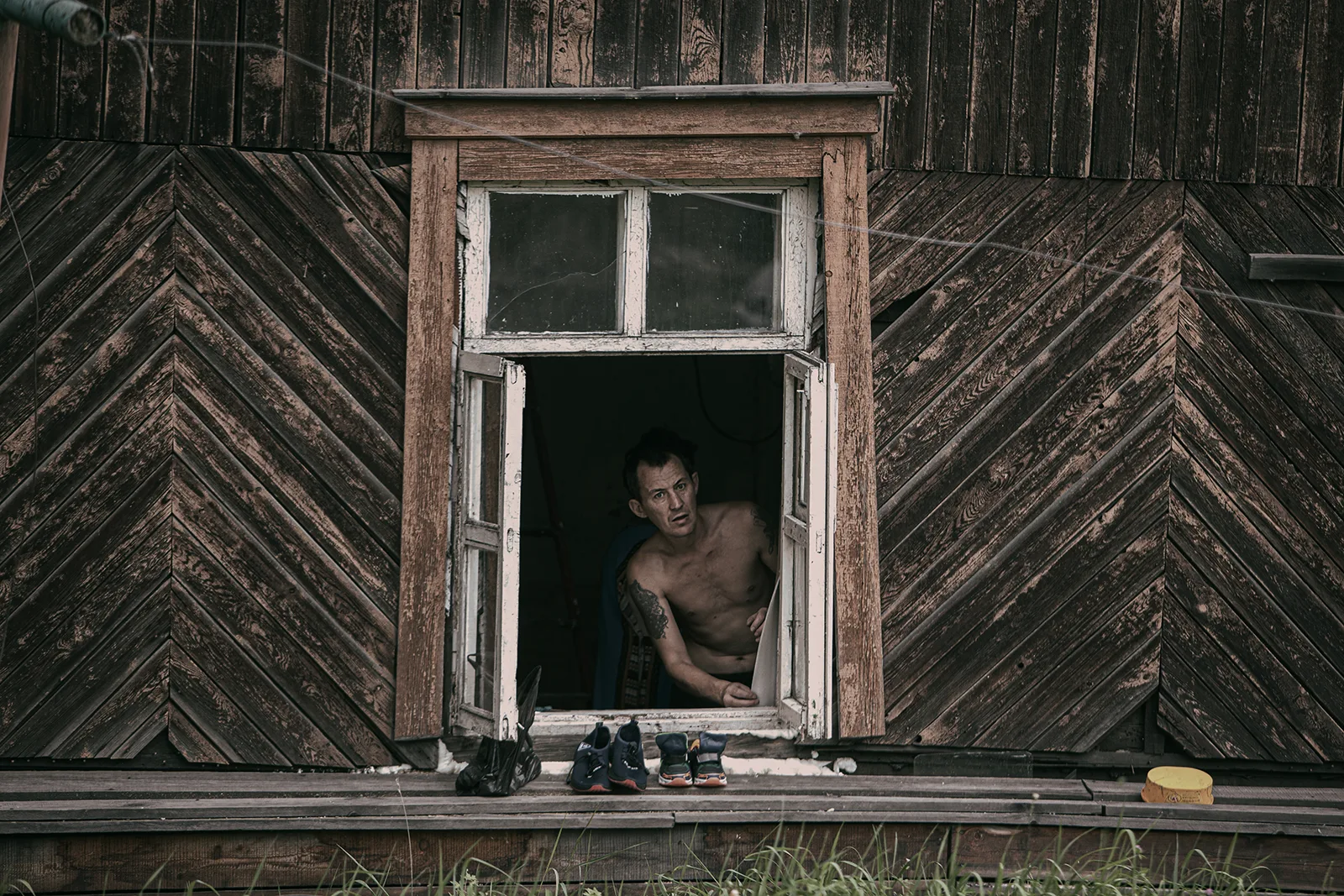
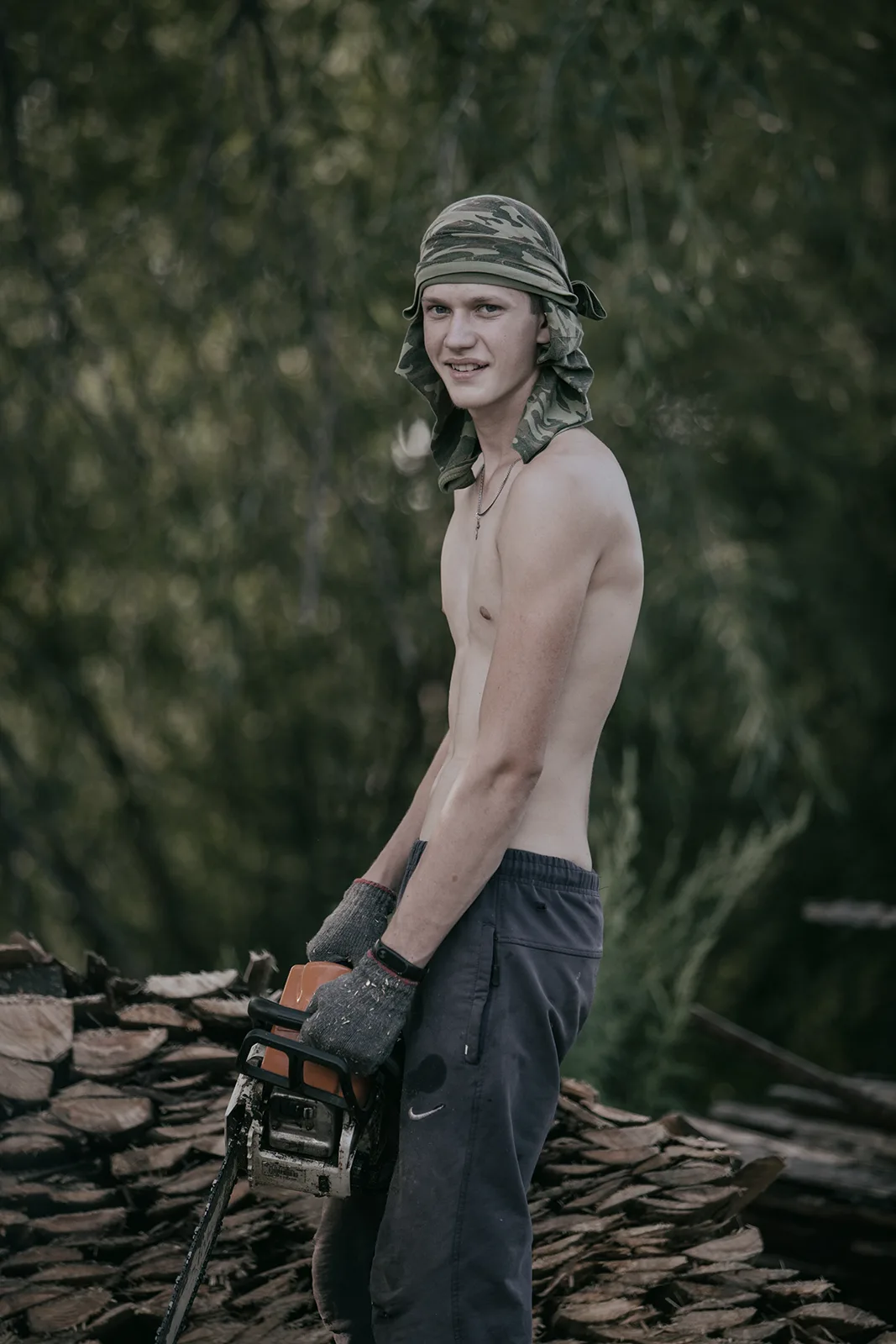
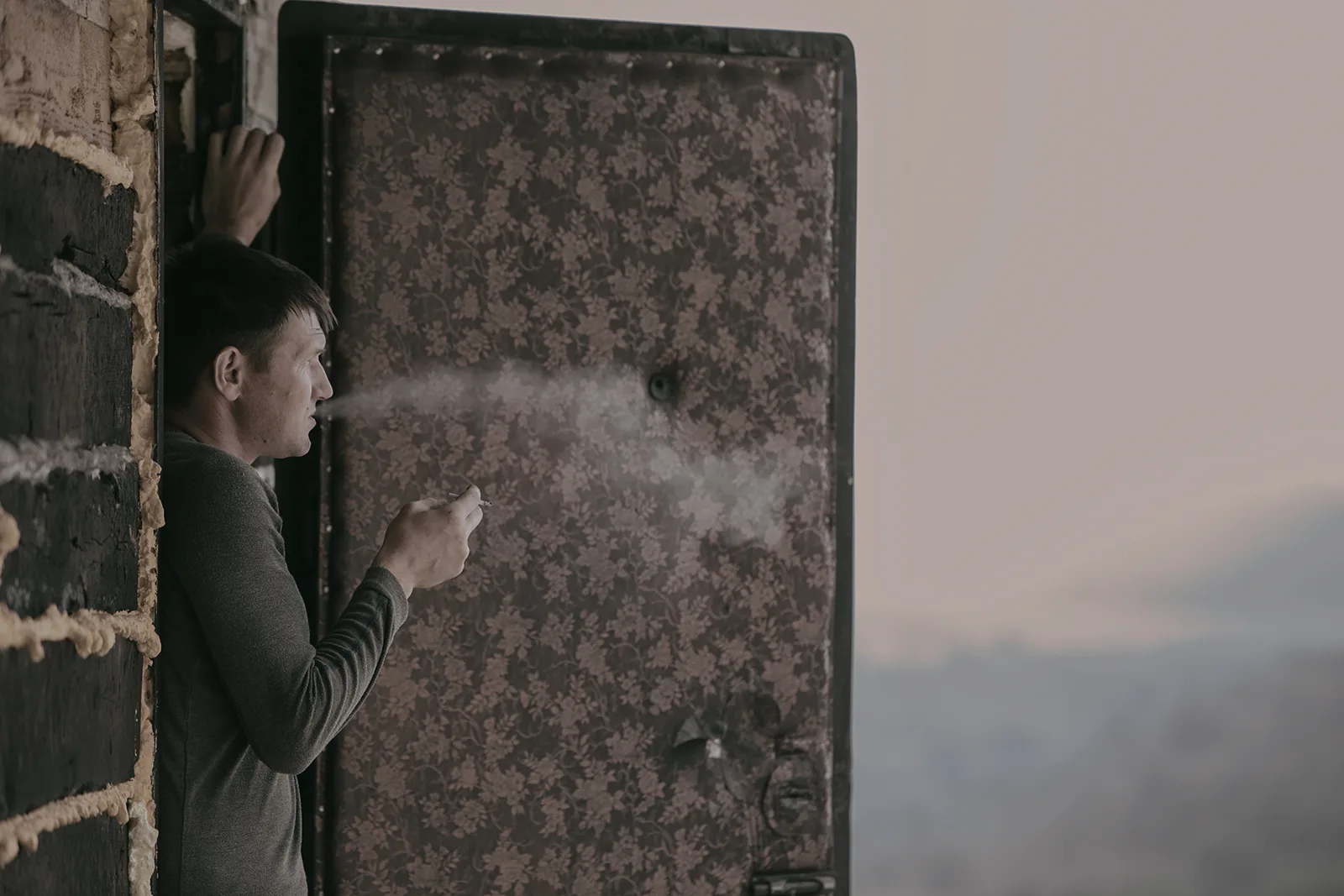
And yet I wanted to portray these people, their work, their daily life and the surrounding nature with empathy — because, despite the harshness of their lives, they preserve their humour and their love of life.