Invisible Children

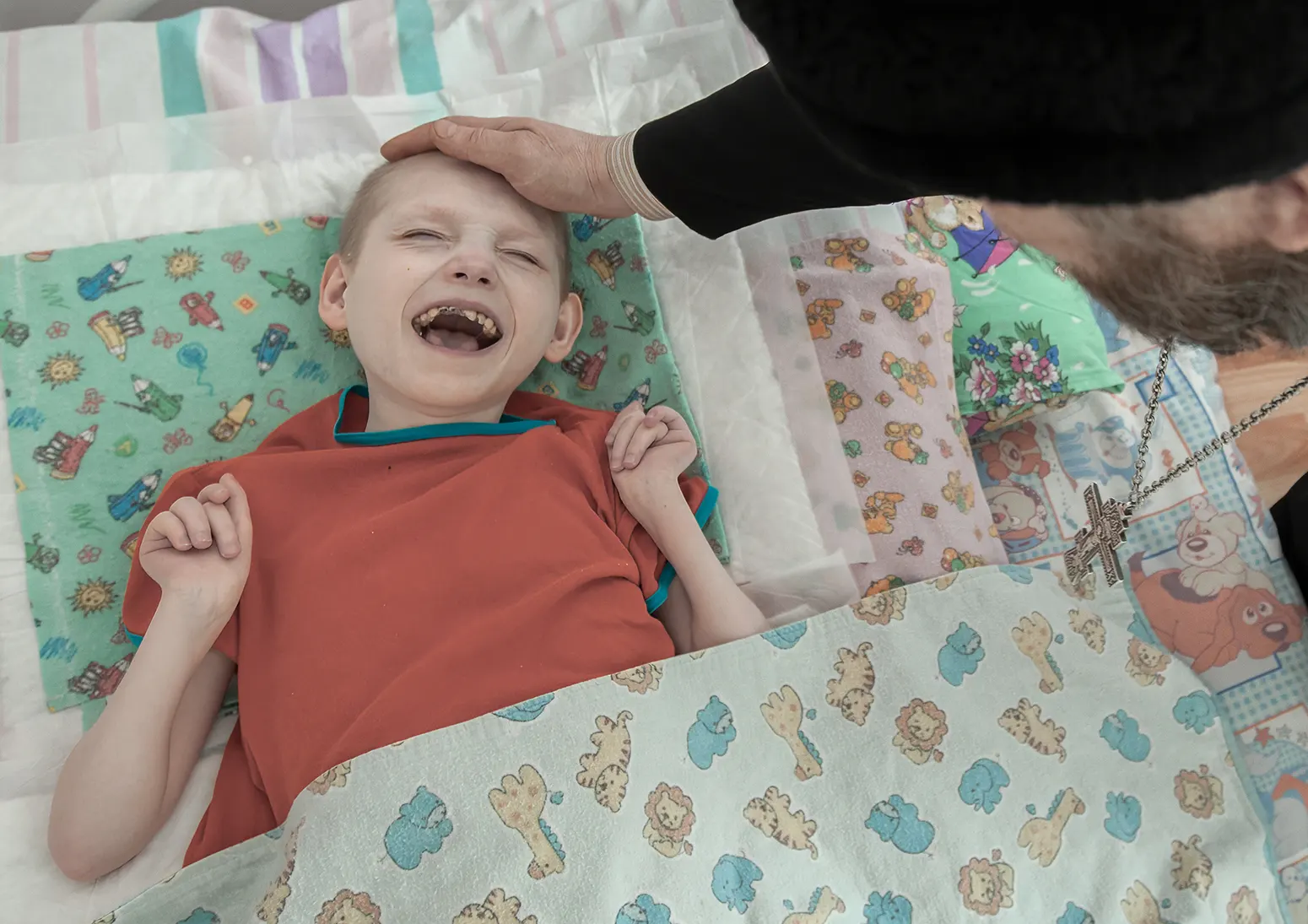
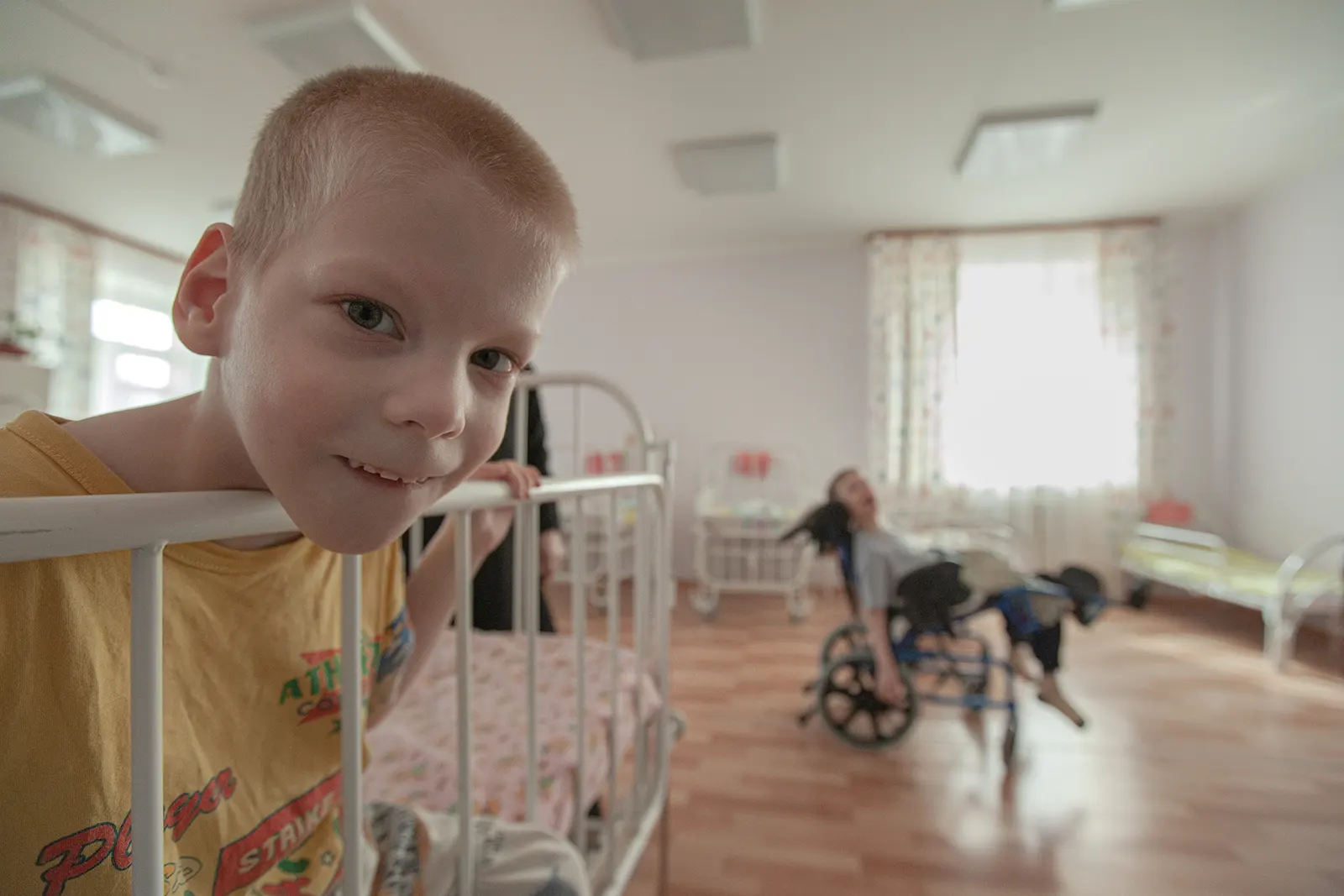
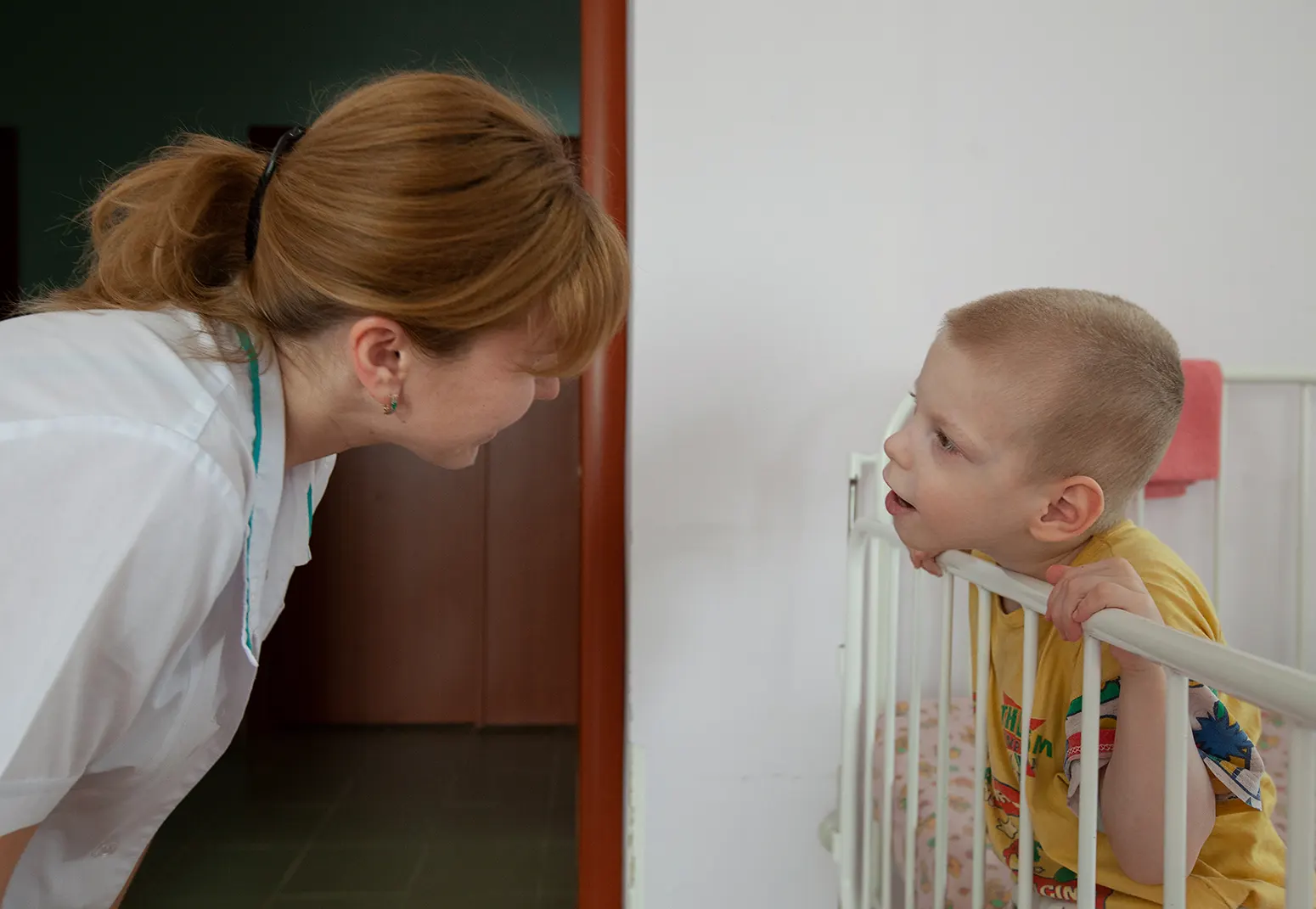
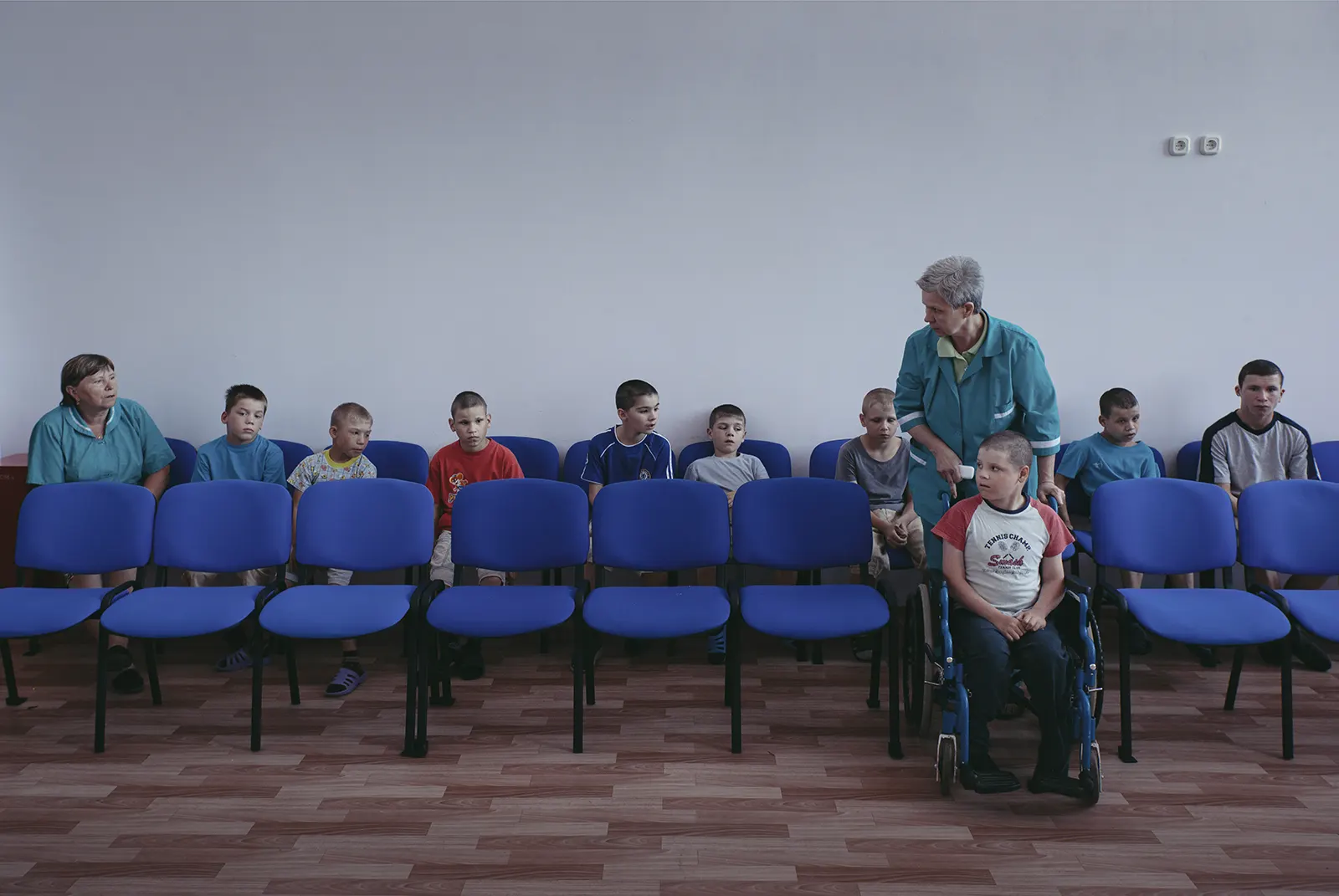
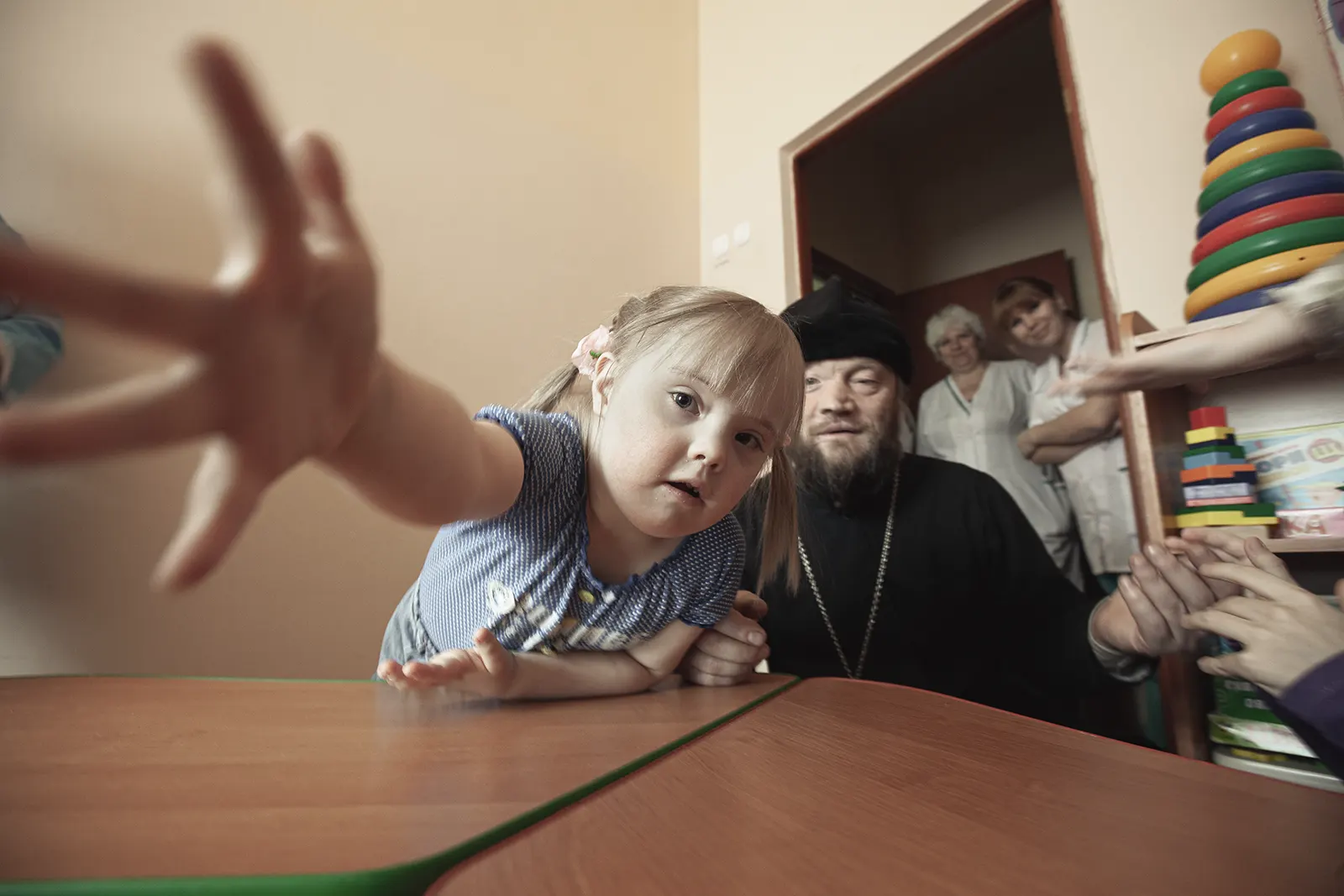
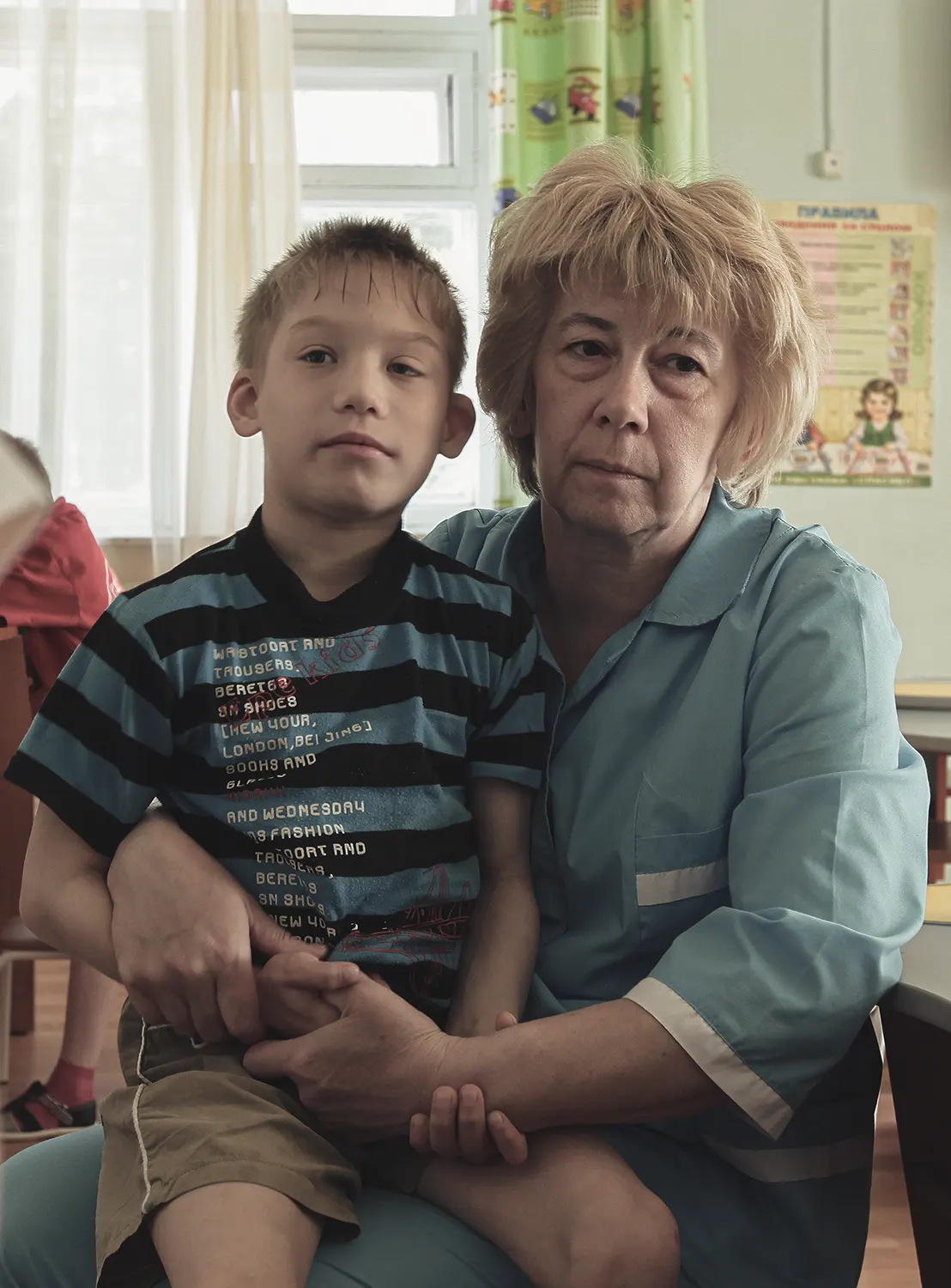
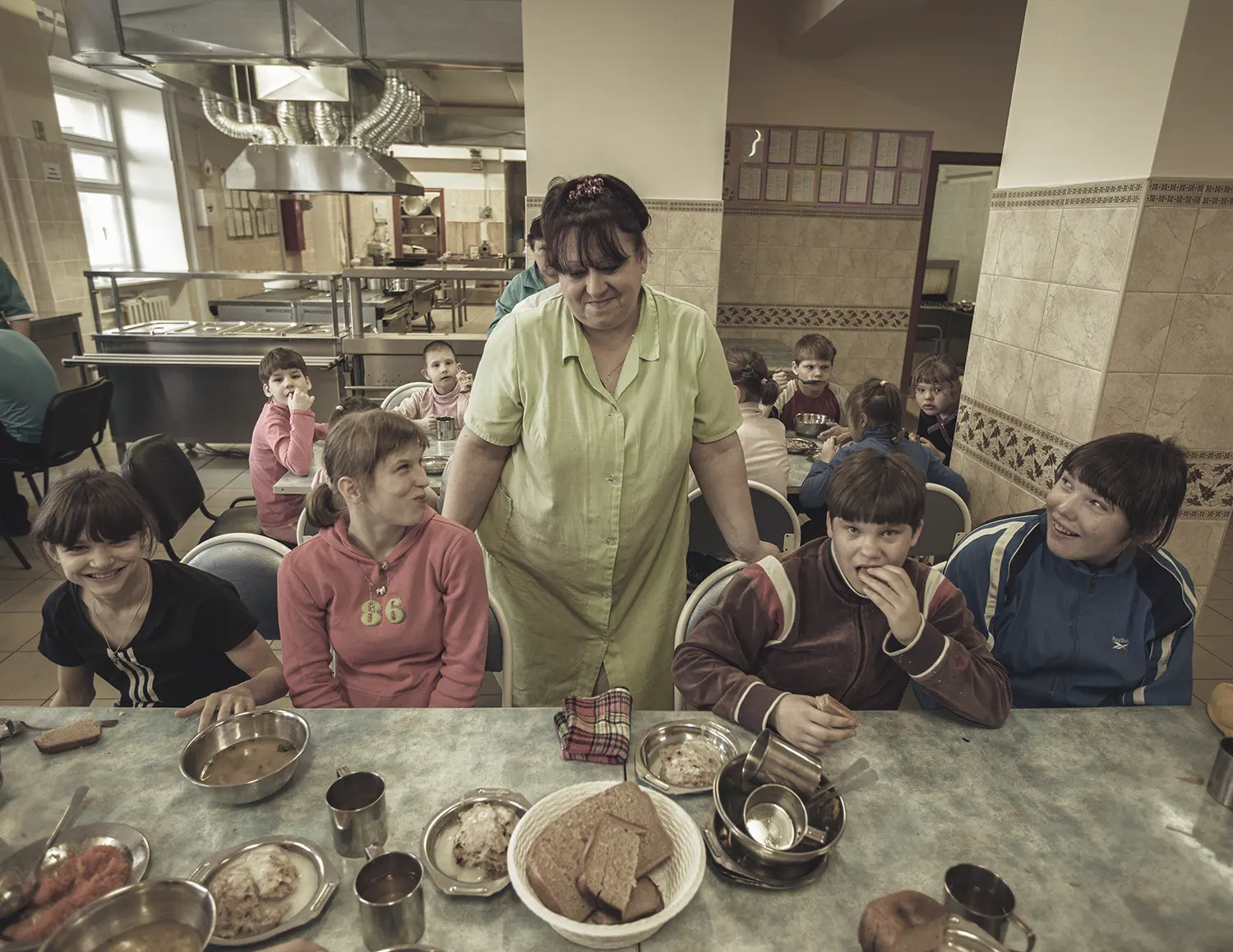
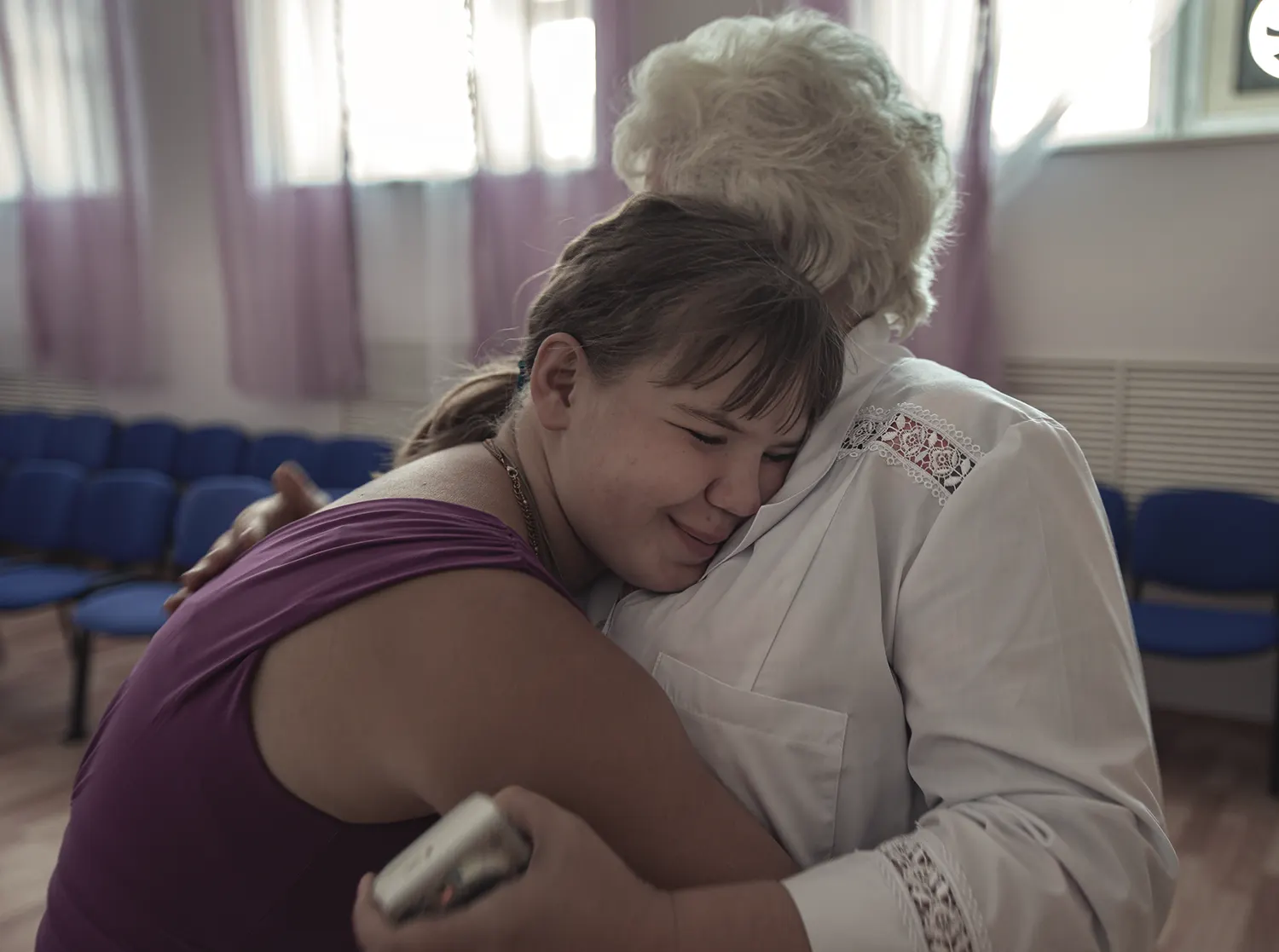
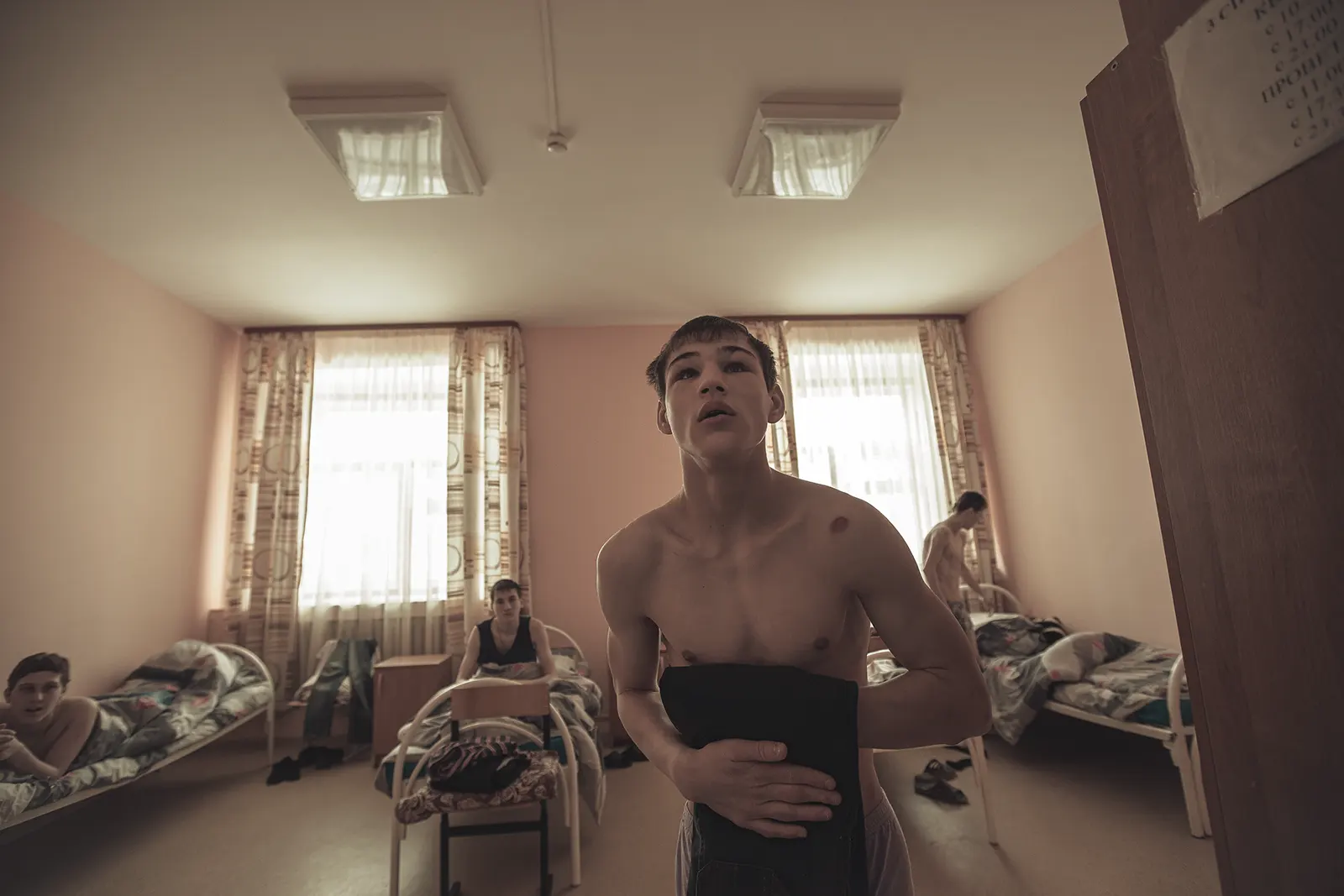
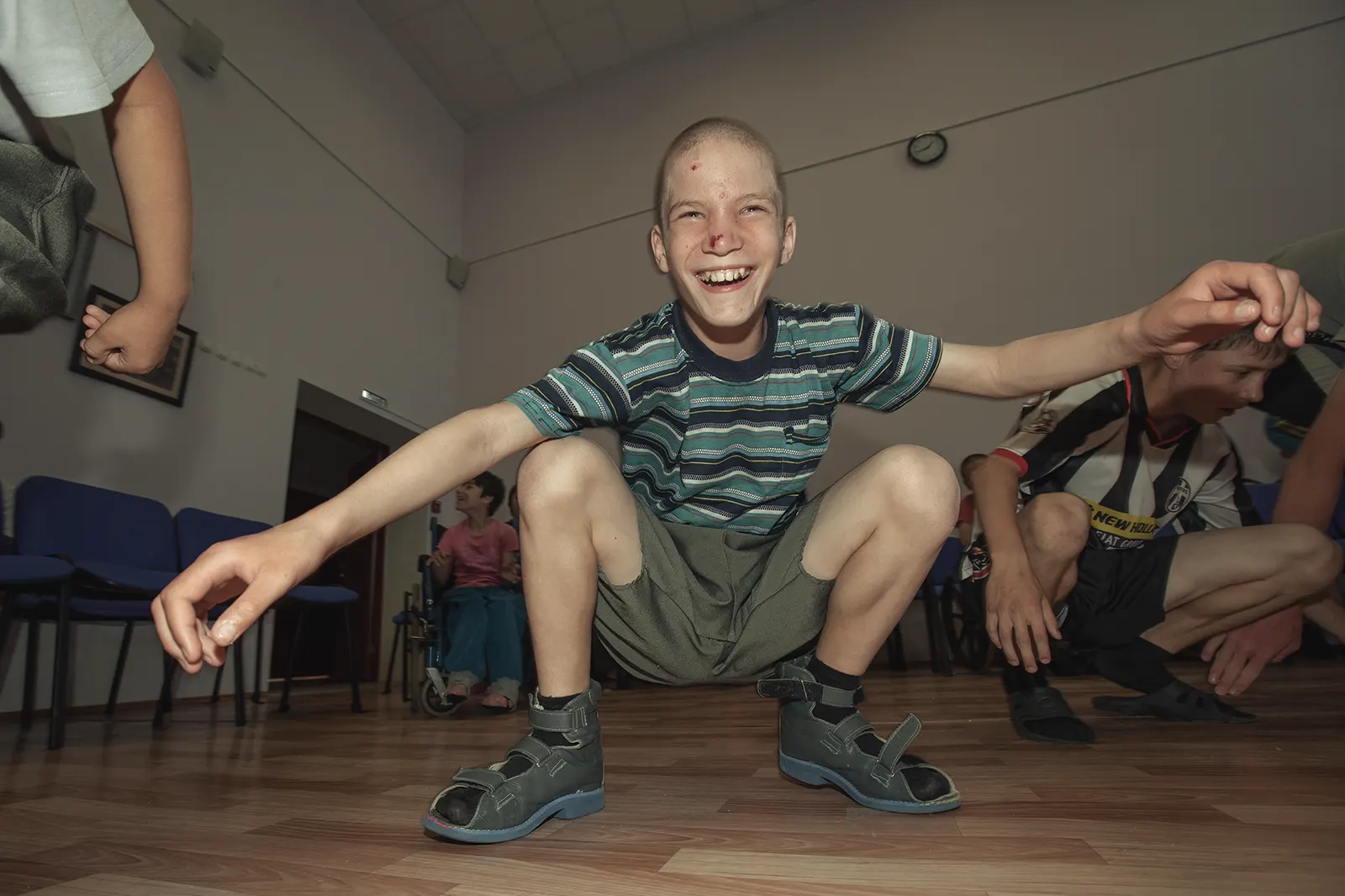
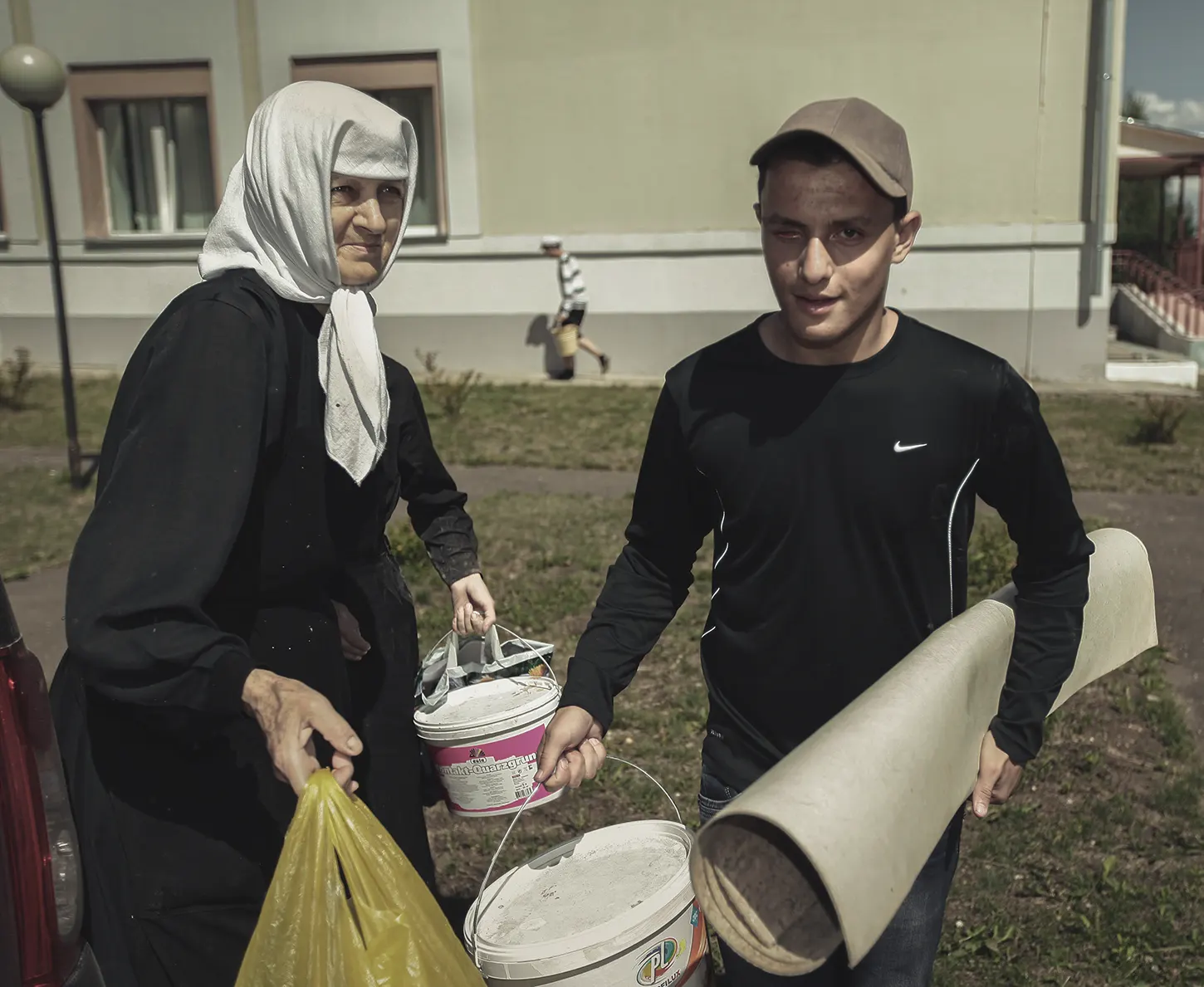
This project is dedicated to children with mental disabilities living in a residential institution in northern Russia. It is dedicated to the adults who work there, to the volunteers, to the priests. It is dedicated to all of us, because these children need society less than society needs them. Because accepting these special children as full human beings is the true measure of a civilized society.

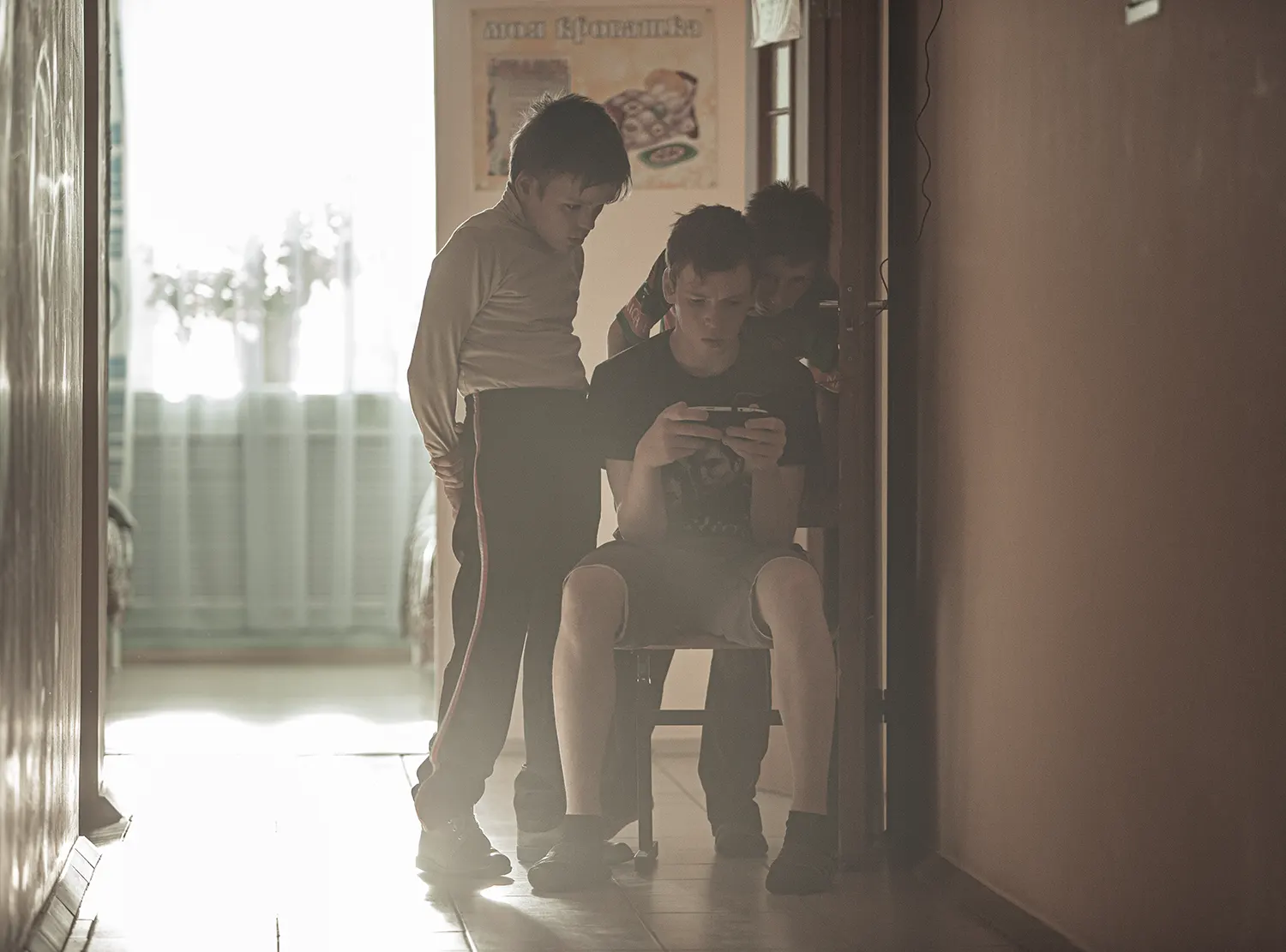
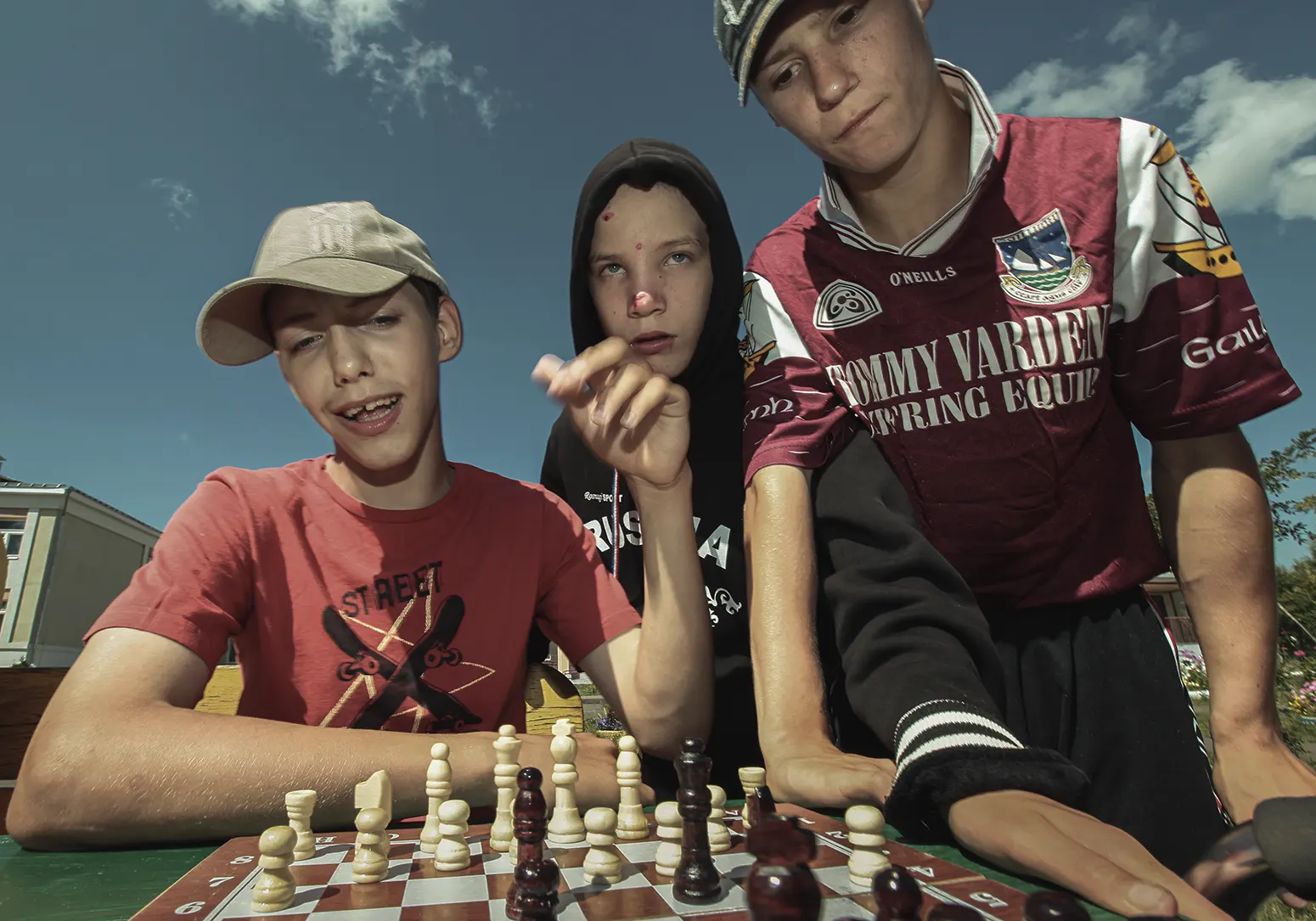
I first conceived Invisible Children as a straightforward documentary project about a special residential institution in the Kostroma region of Russia. But the more time I spent with the children, the more I wanted to know about them, to meet them more deeply, and to understand those who care for them. In almost every case, these children had been abandoned by their parents, many of whom were alcoholics, drug addicts, or lived deeply unstable and antisocial lives. As a result, many of the children suffer from hereditary illnesses requiring lifelong treatment.

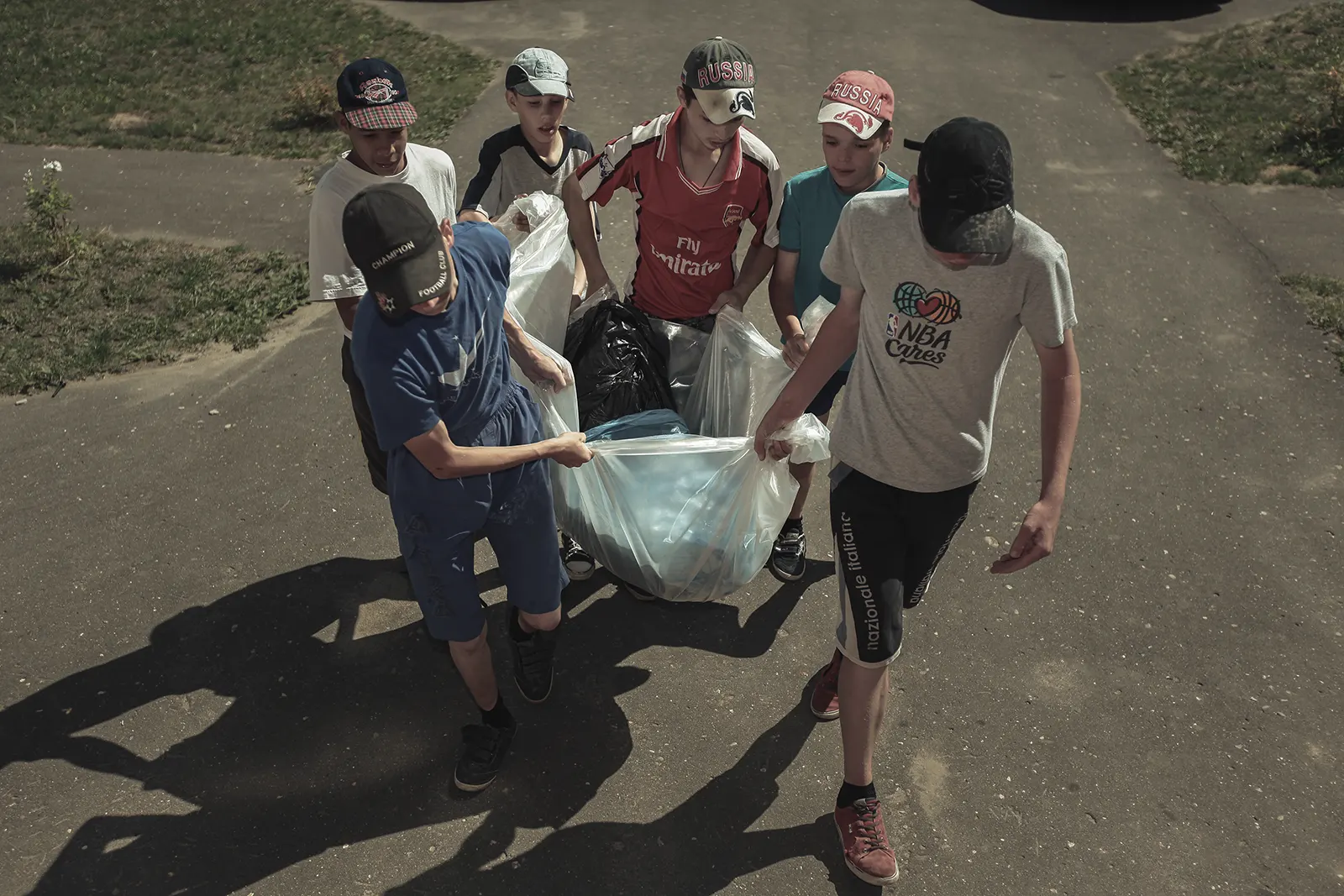
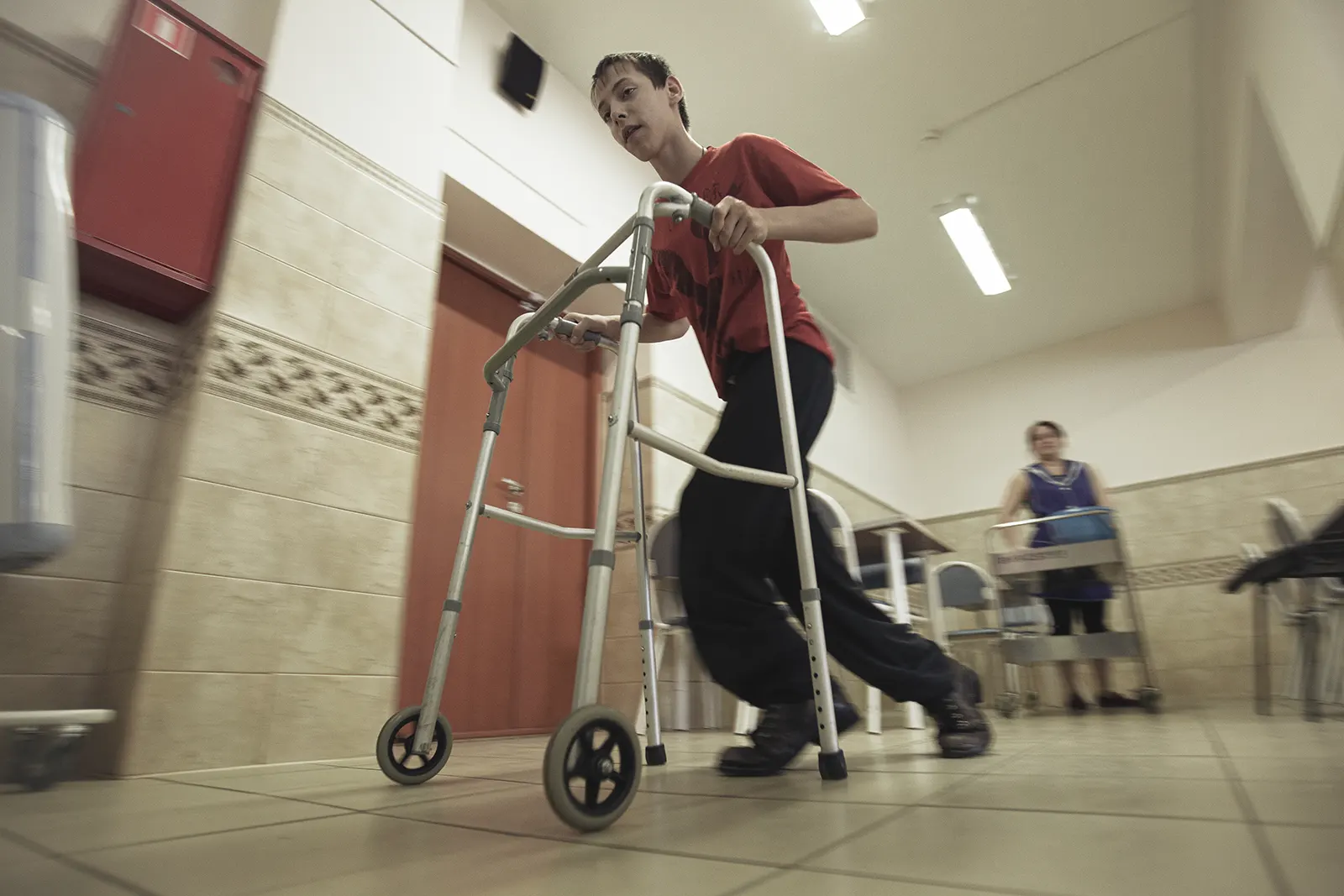
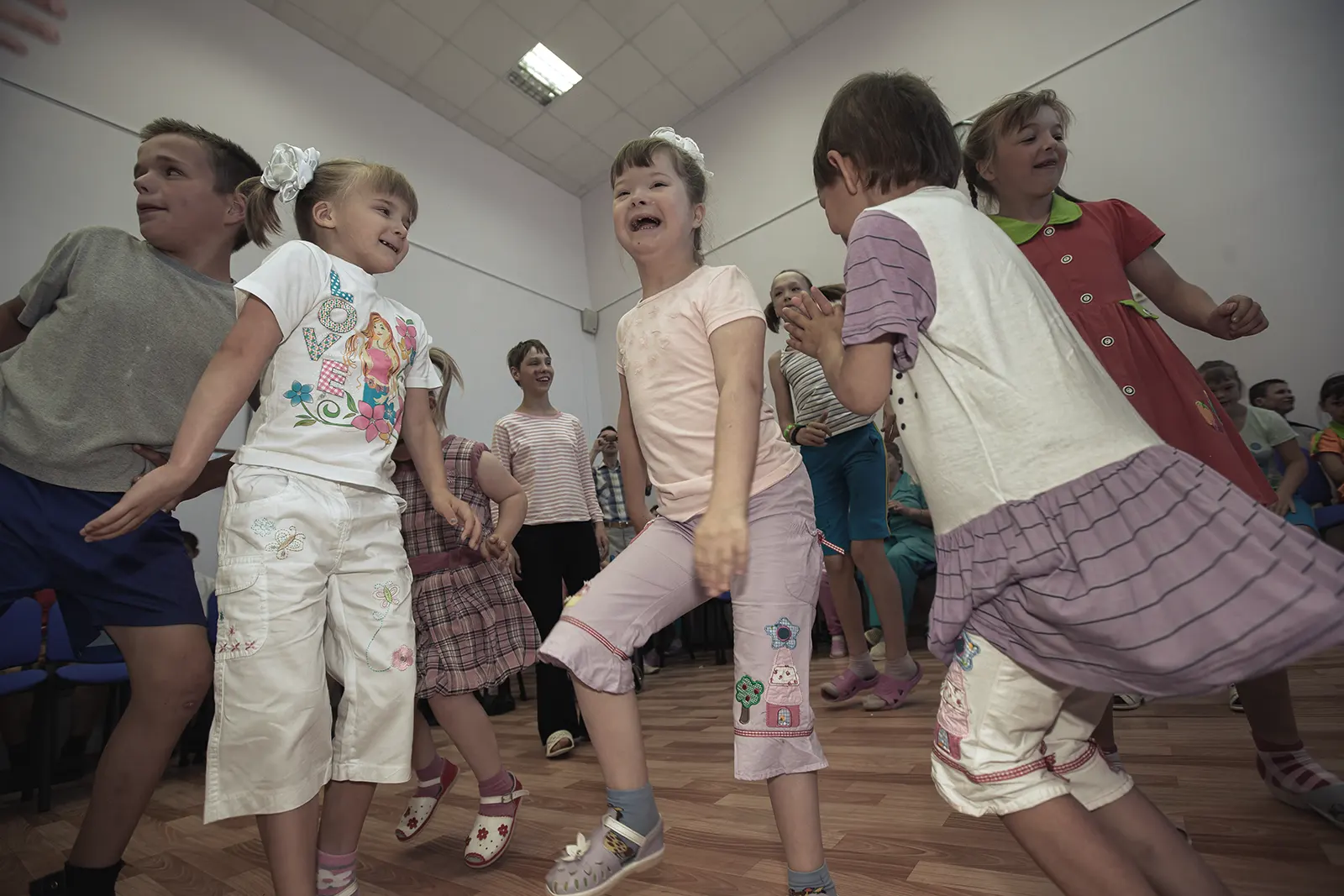
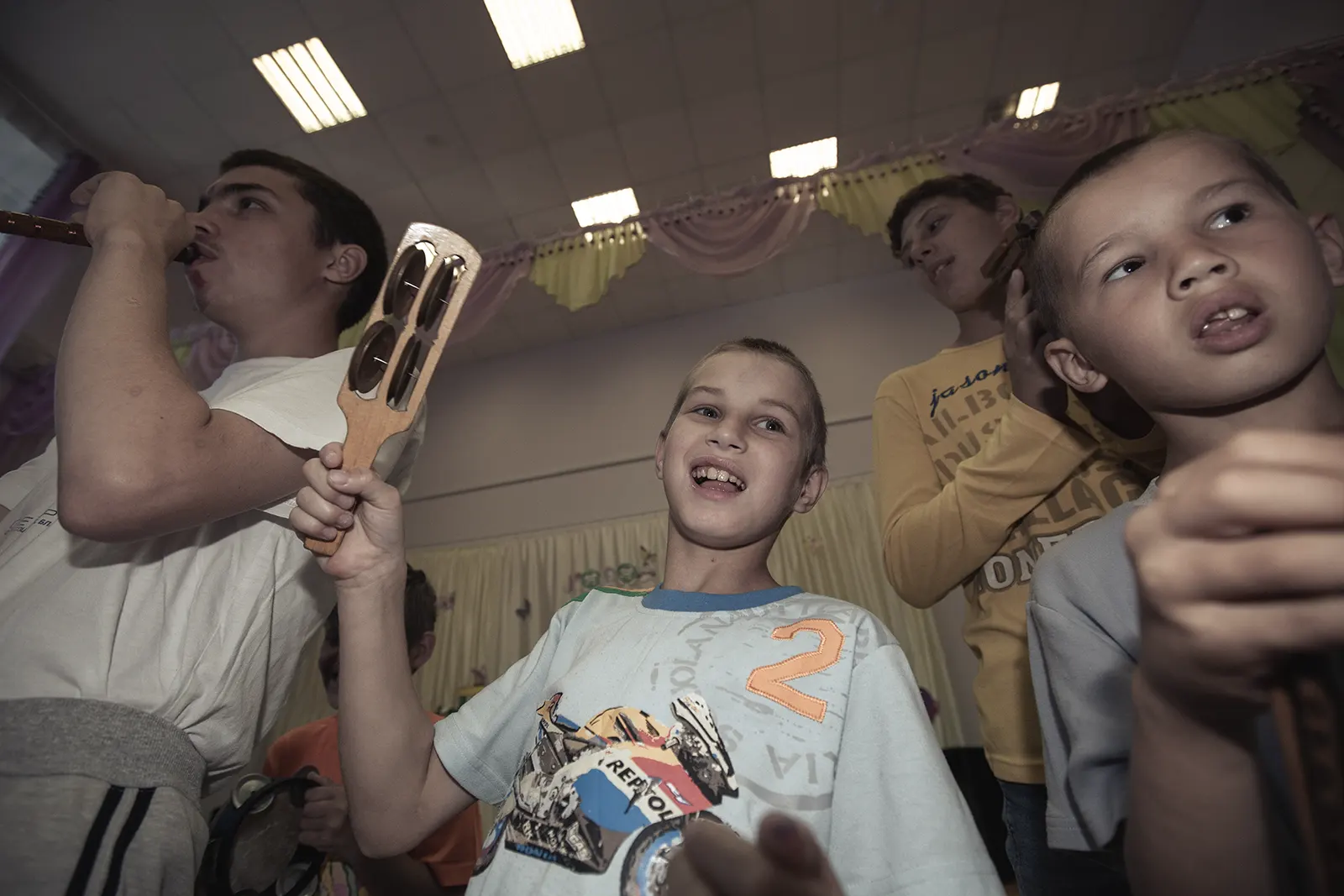
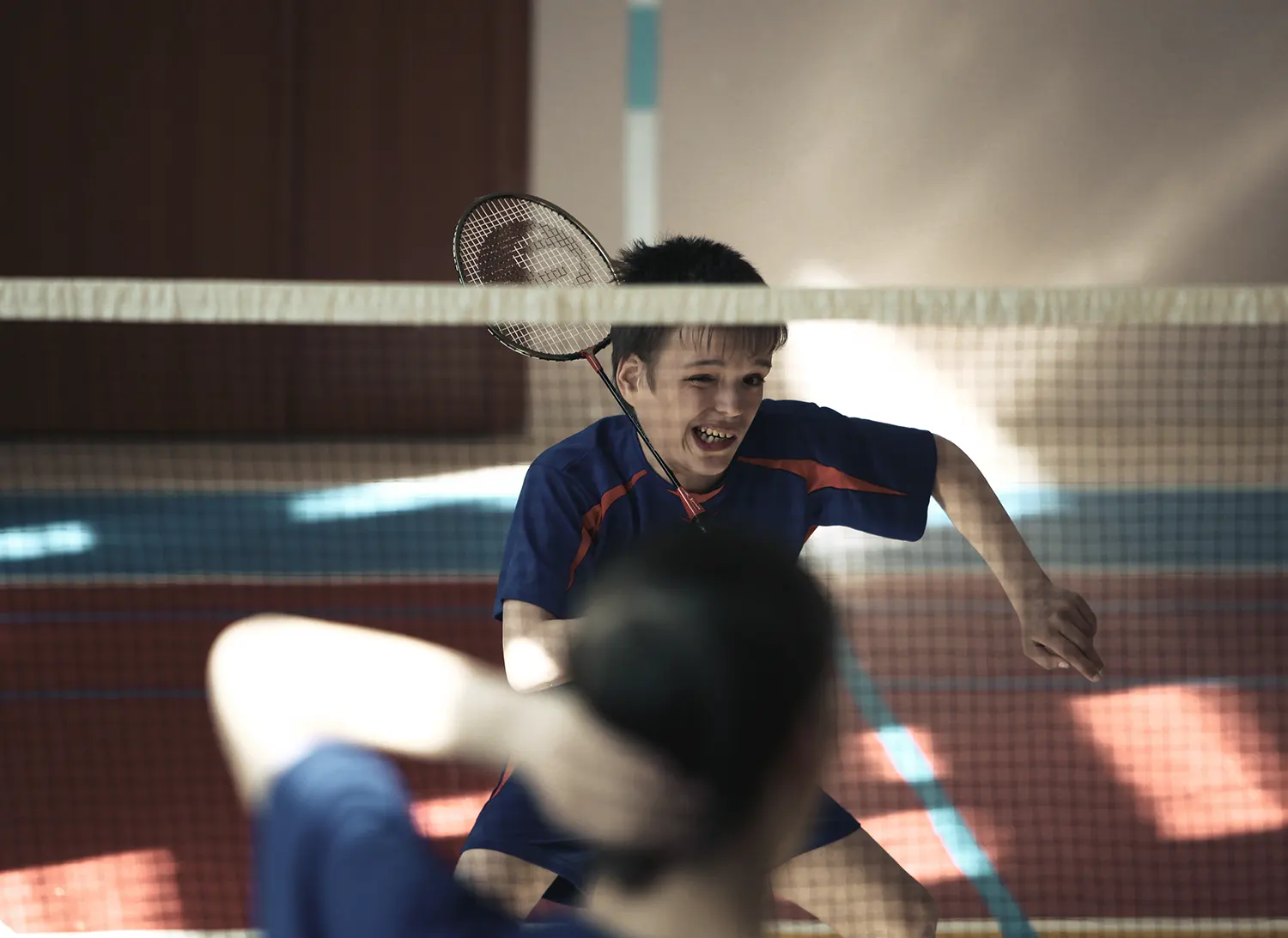
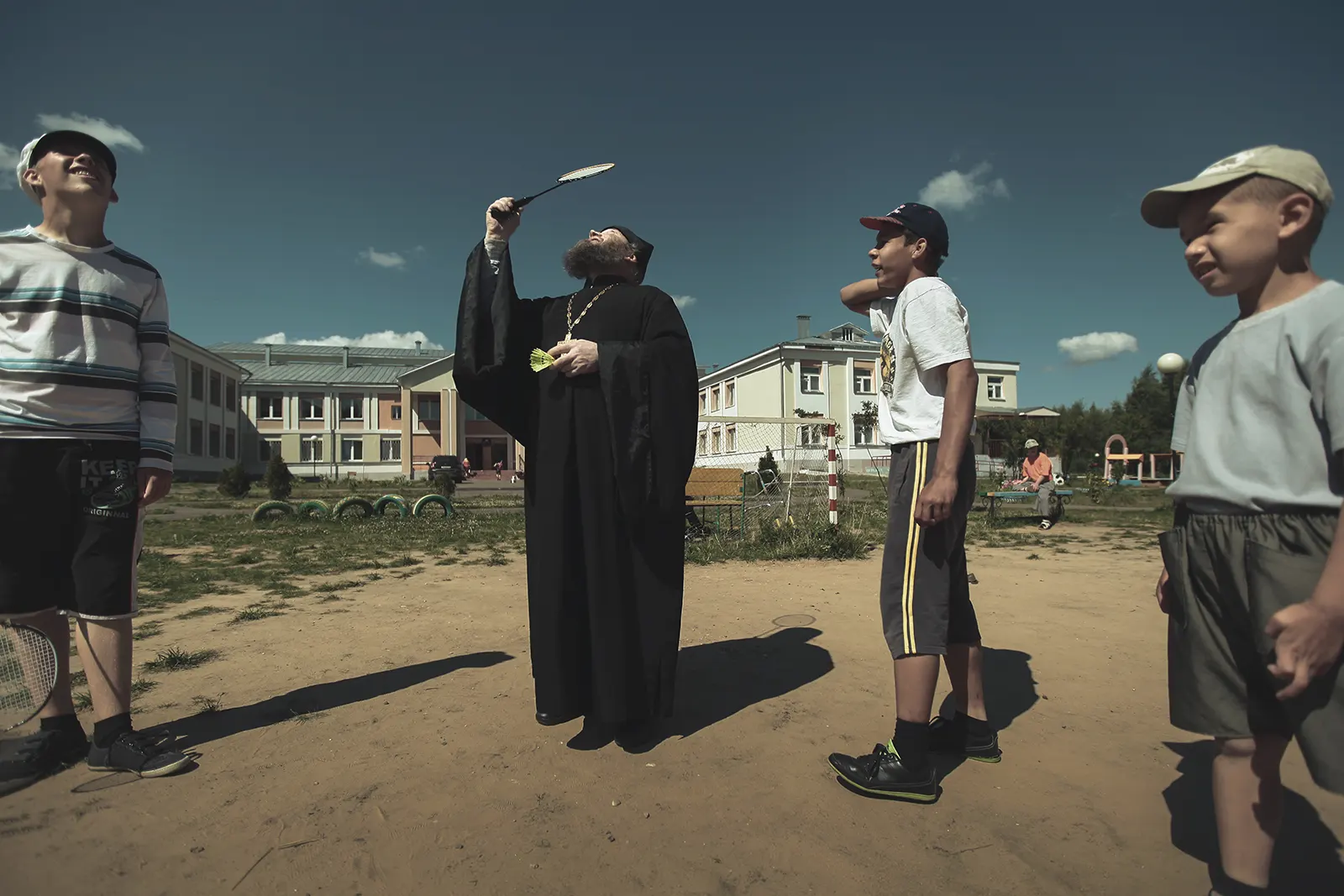
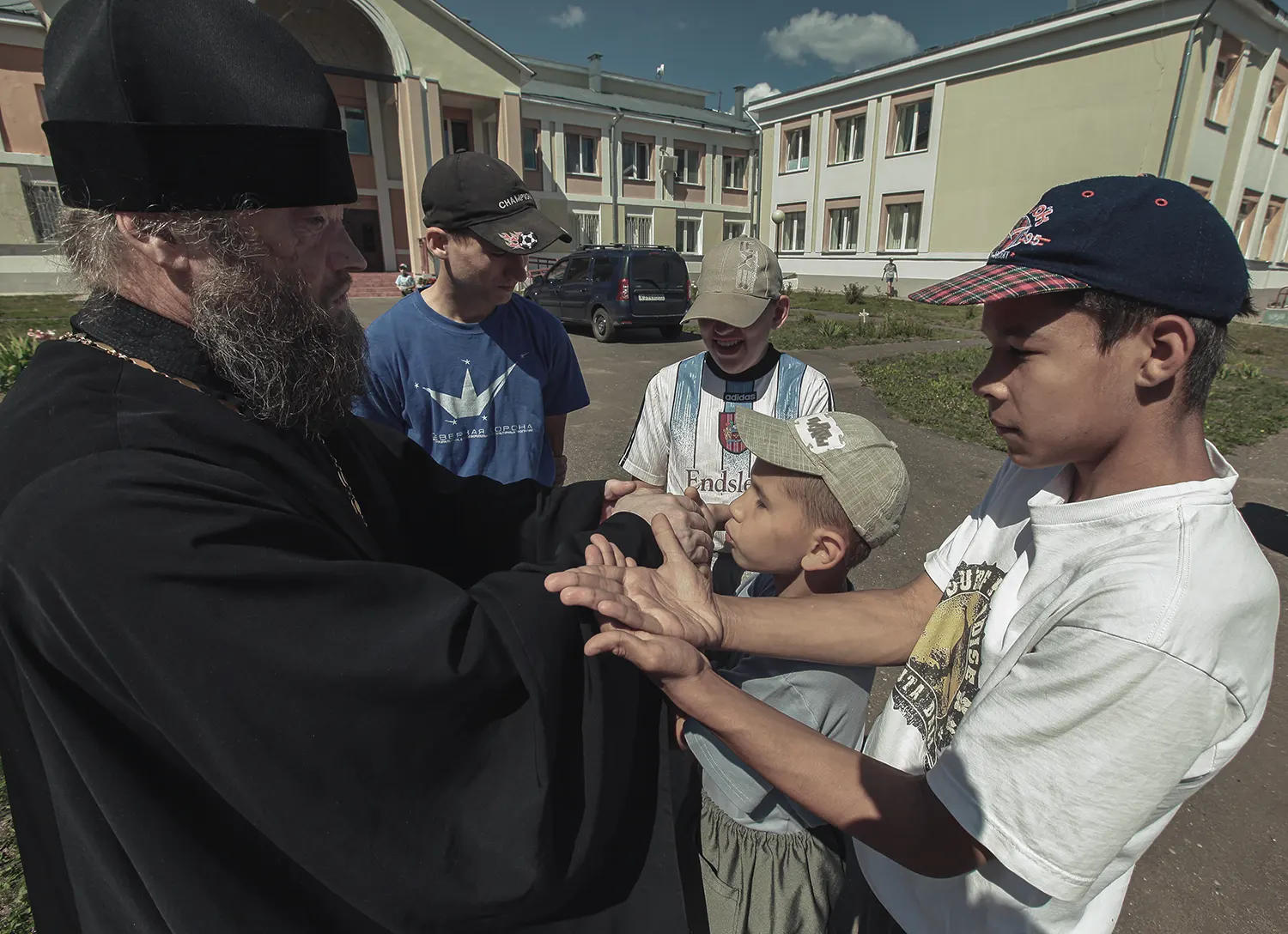
I traveled there several times. Together with friends, we gave concerts and taught them to play professional badminton. This was important, as many of the children have musculoskeletal difficulties, and coordination-based physical activities significantly improve rehabilitation. I saw a remarkable desire for creativity, sport, communication, and learning. Yet learning itself is an extraordinarily difficult process, both for the children and for their teachers. Unfortunately, Russia has no modern system for integrating such children into society. As a result, after the age of eighteen, most of them are transferred to an institution for adults. It is physically close — one only needs to cross the road to the neighboring building. But there is no way out from there.

I would like to express my special gratitude to the directors of the Pervomaysky Special Residential Institution for allowing me to carry out this work and tell the story of their efforts. My deepest thanks also go to everyone who offered material support to the children’s home.

Resilience

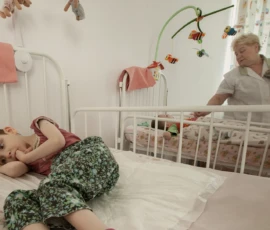
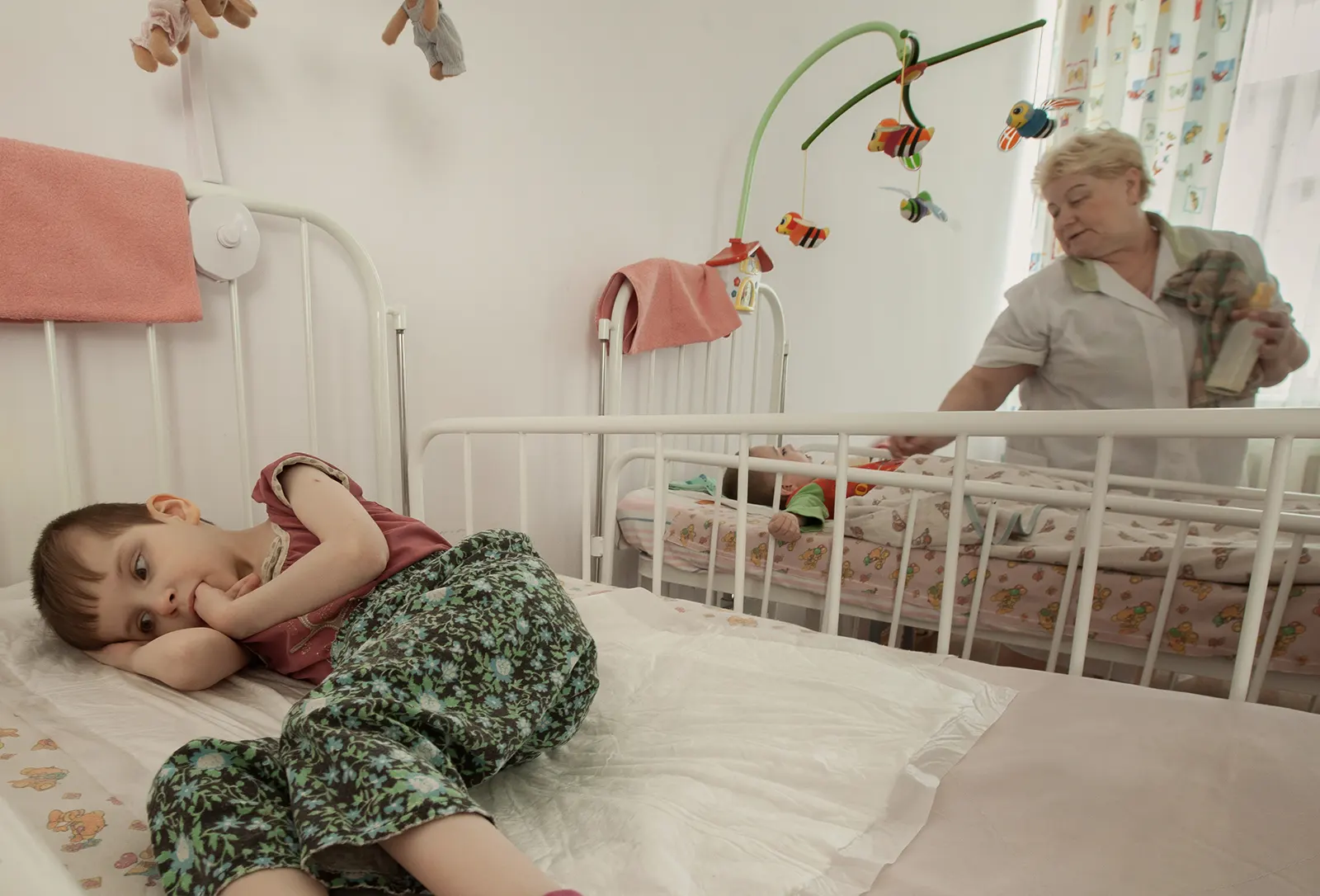
The most severely affected children were those confined to bed, requiring constant round-the-clock care. Some barely responded even to external stimuli, yet even in such cases, with proper care and rehabilitation, there was still hope. I saw this with my own eyes.

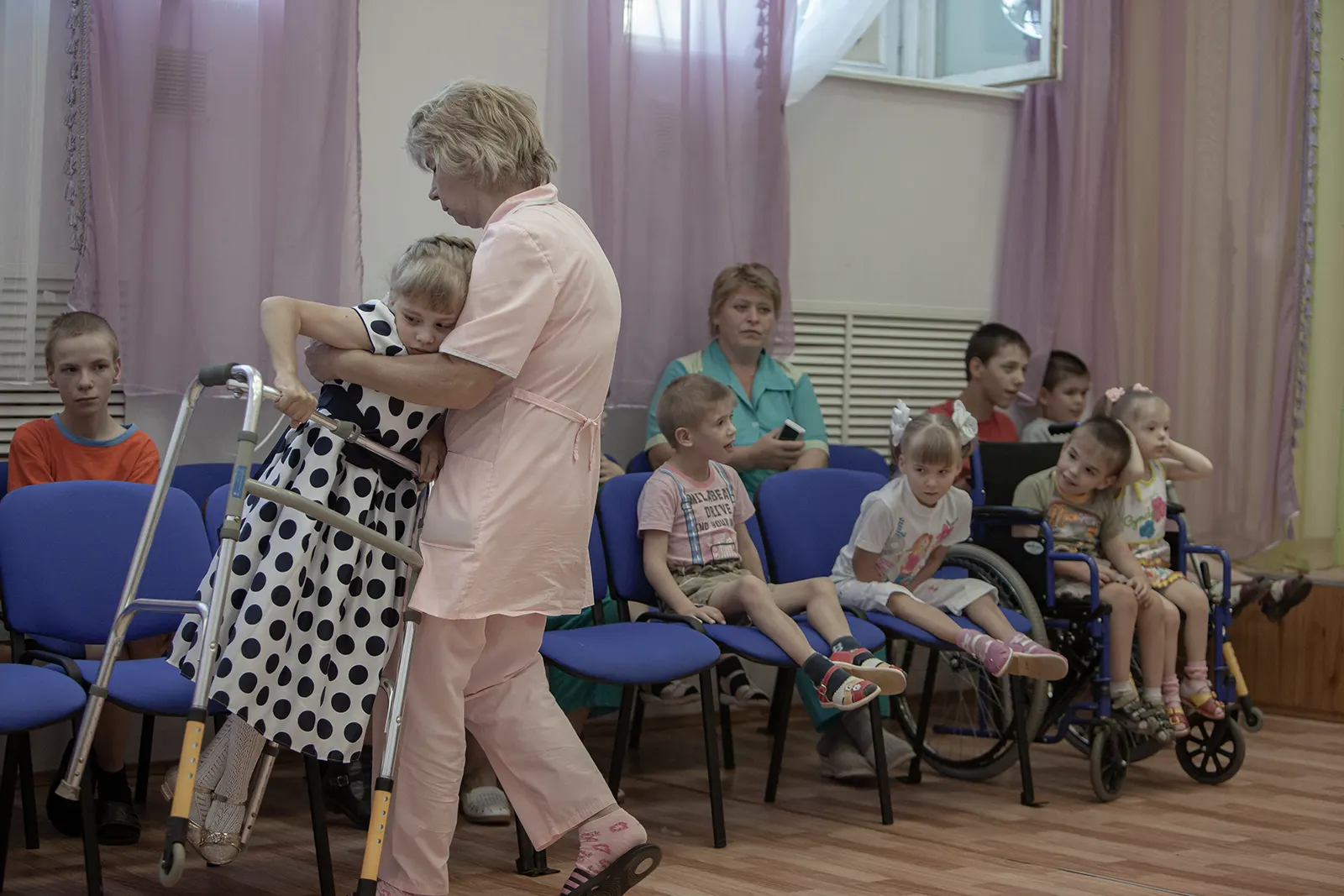
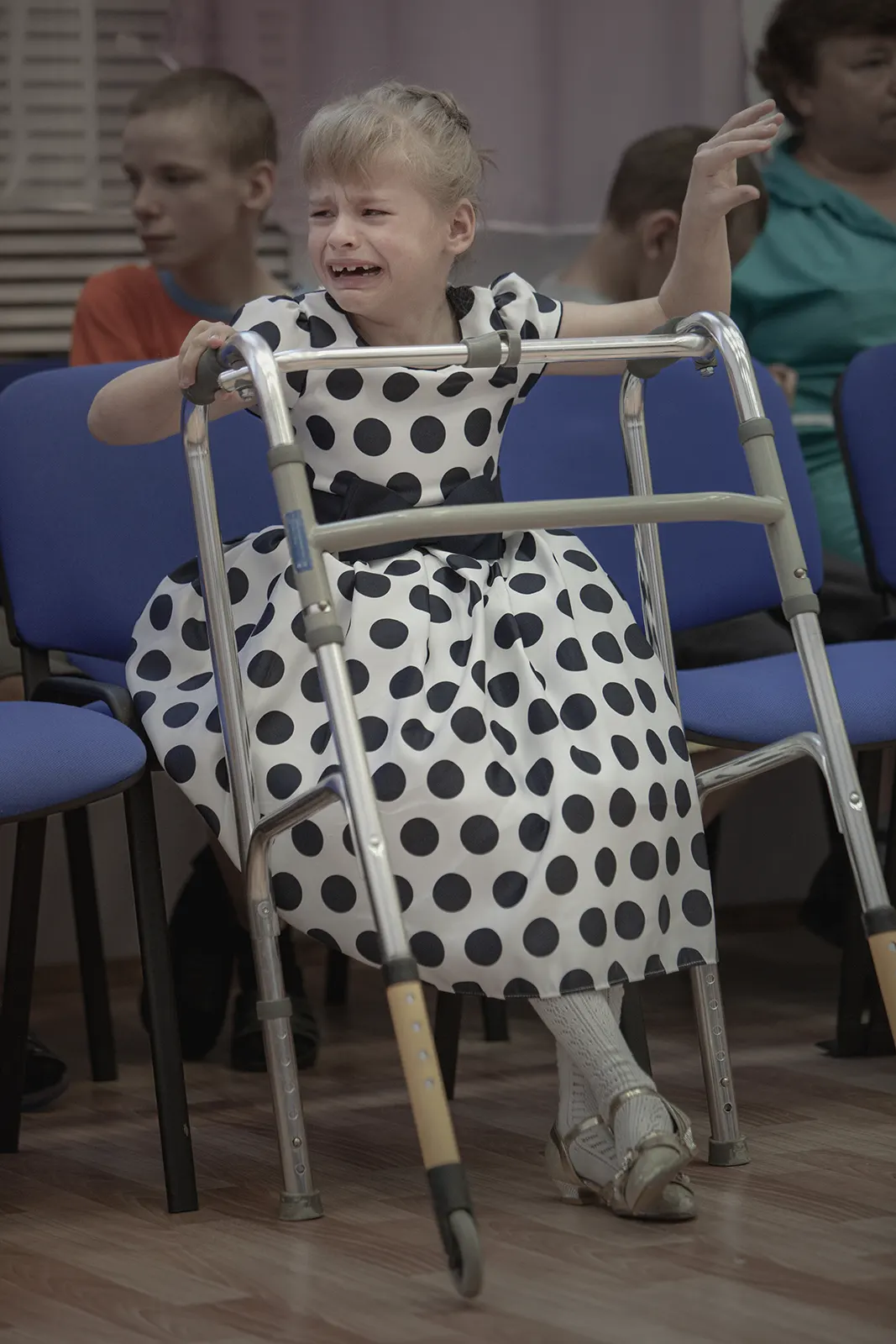
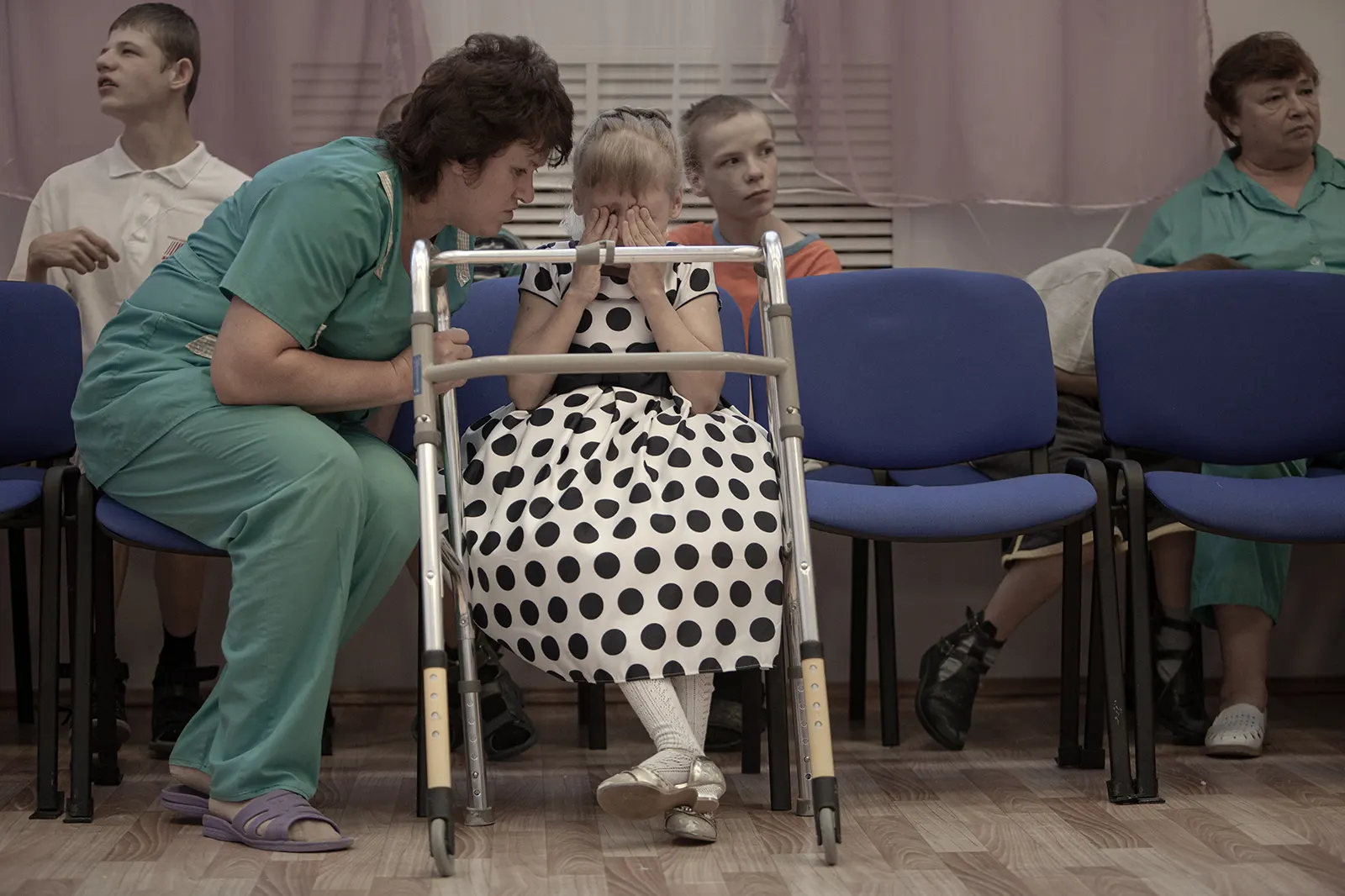
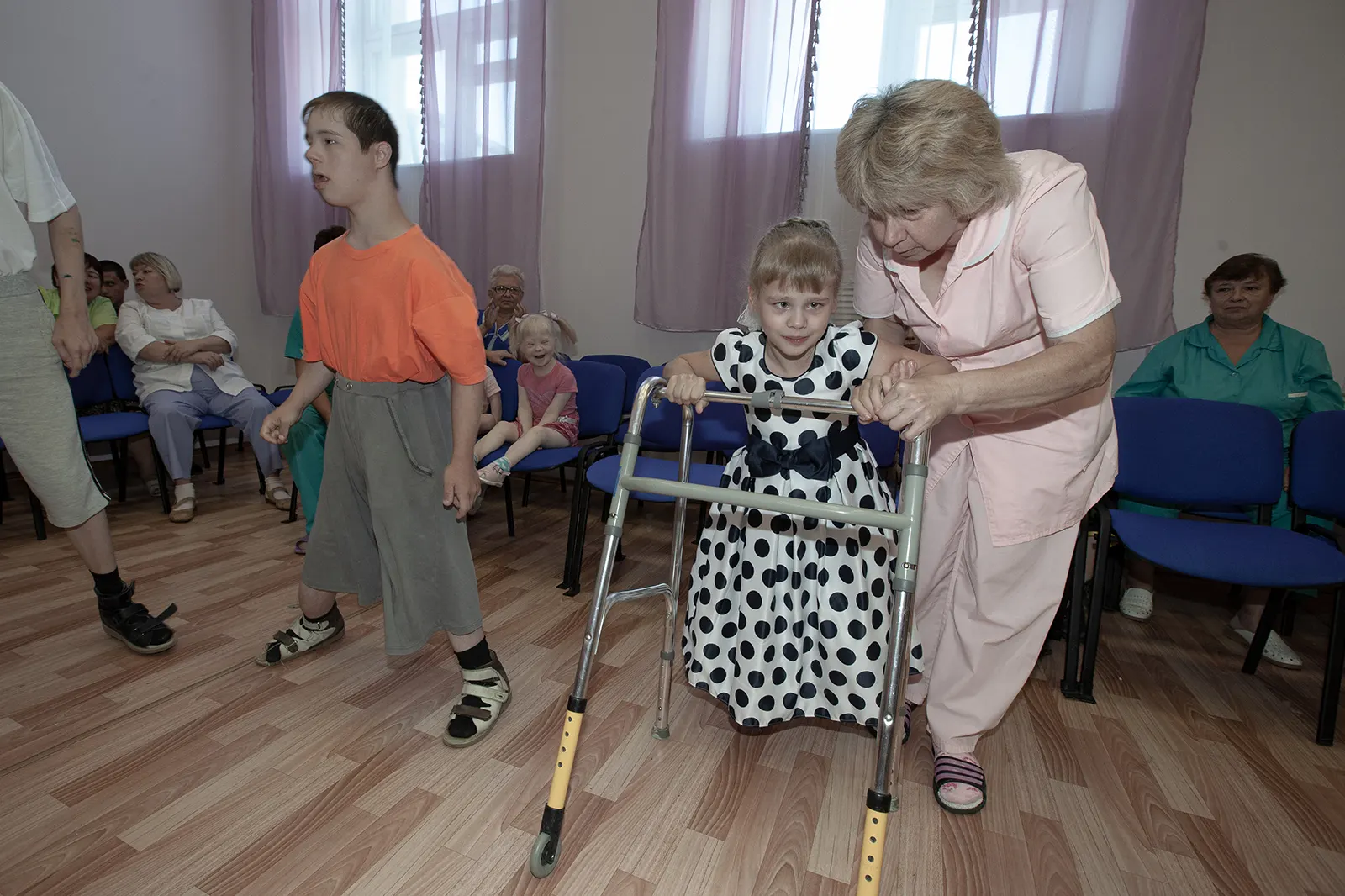
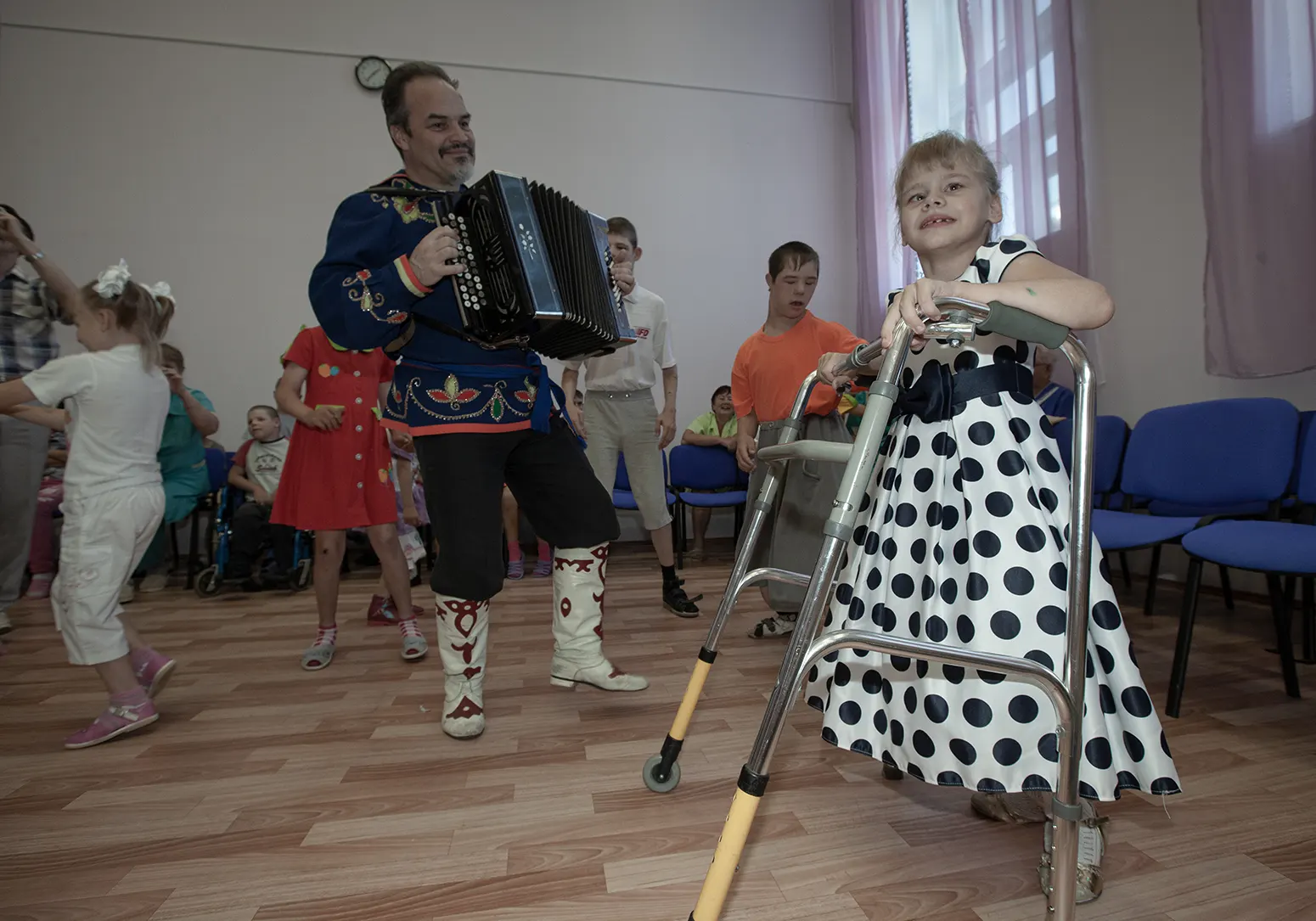
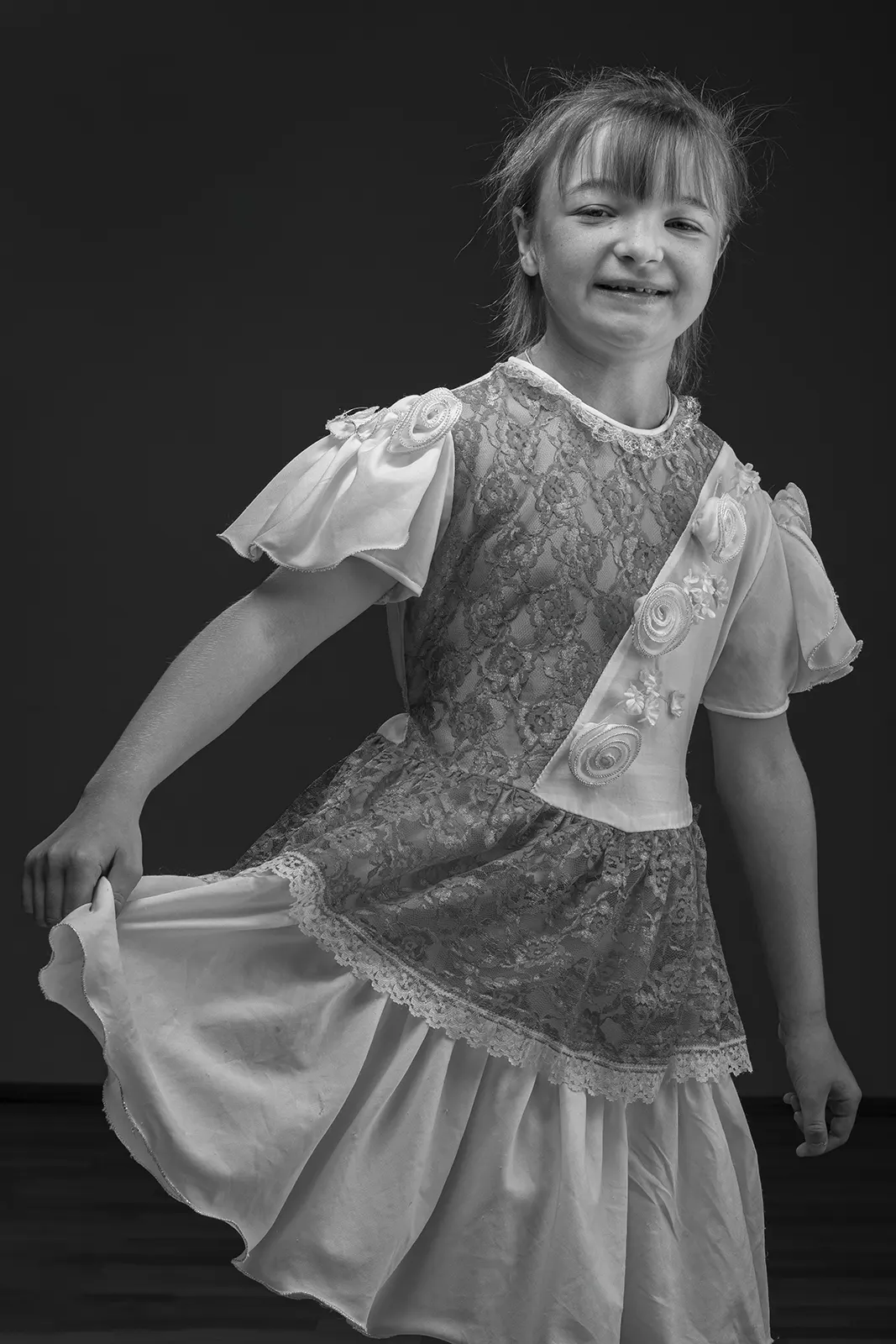
During one of our concerts, I noticed a girl on a walker wearing a beautiful polka-dot dress. She desperately wanted to dance, but she could hardly move without assistance. At one moment she fell. She was lifted up and placed back on a chair. The girl covered her face with her hands and wept bitterly. Her emotional pain deeply shook me.

At that same moment, my friend Igor was playing something cheerful for the children on the accordion, dressed in traditional Russian folk costume. Then, suddenly, the tears vanished from the girl’s face and were replaced by an expression of astonishing iron will. She stood up, despite the obvious attempts to stop her, took hold of her walker, and made her first dance movement, then another, and another. She did not fall again. She succeeded.


Childhood

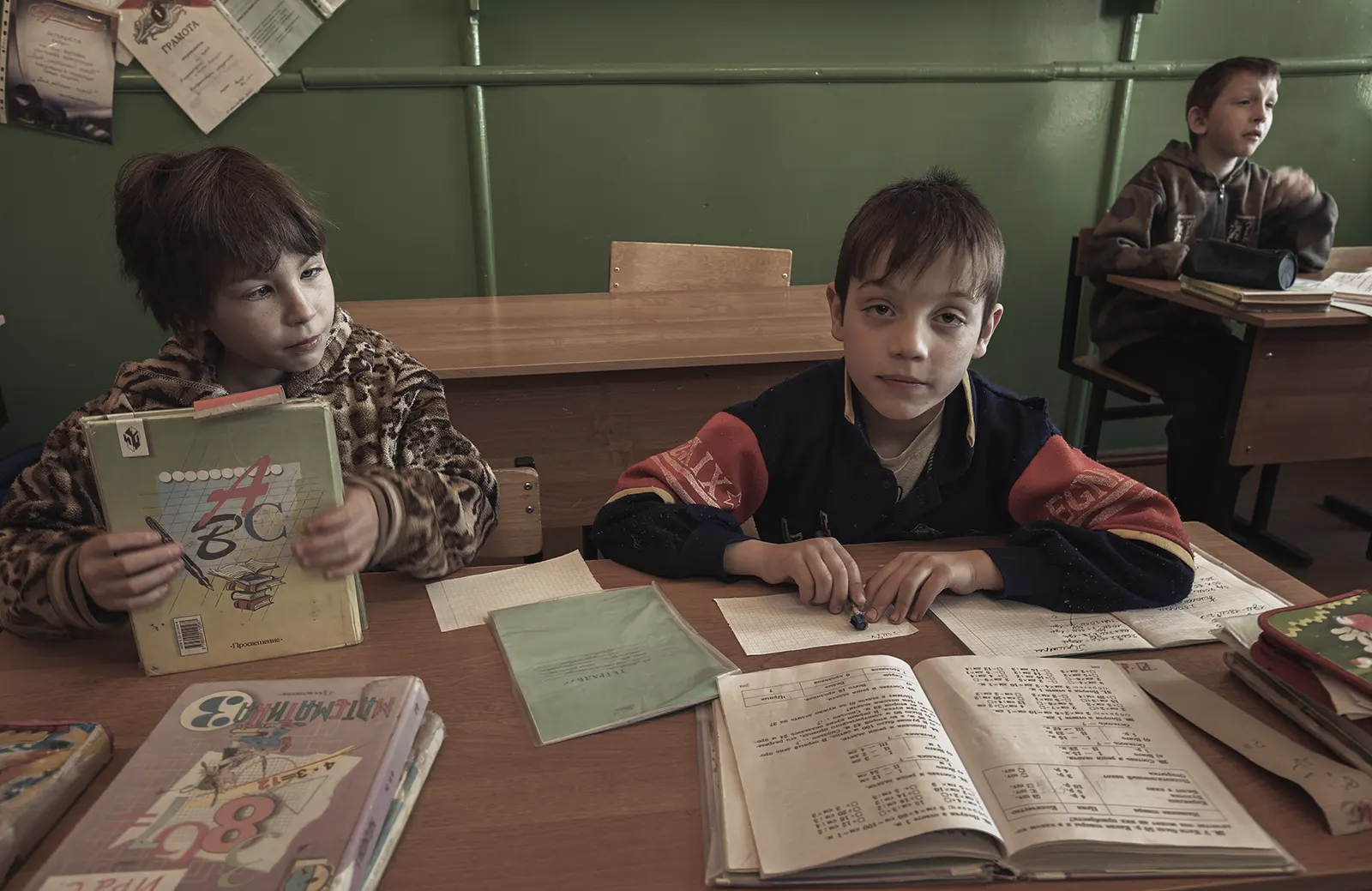
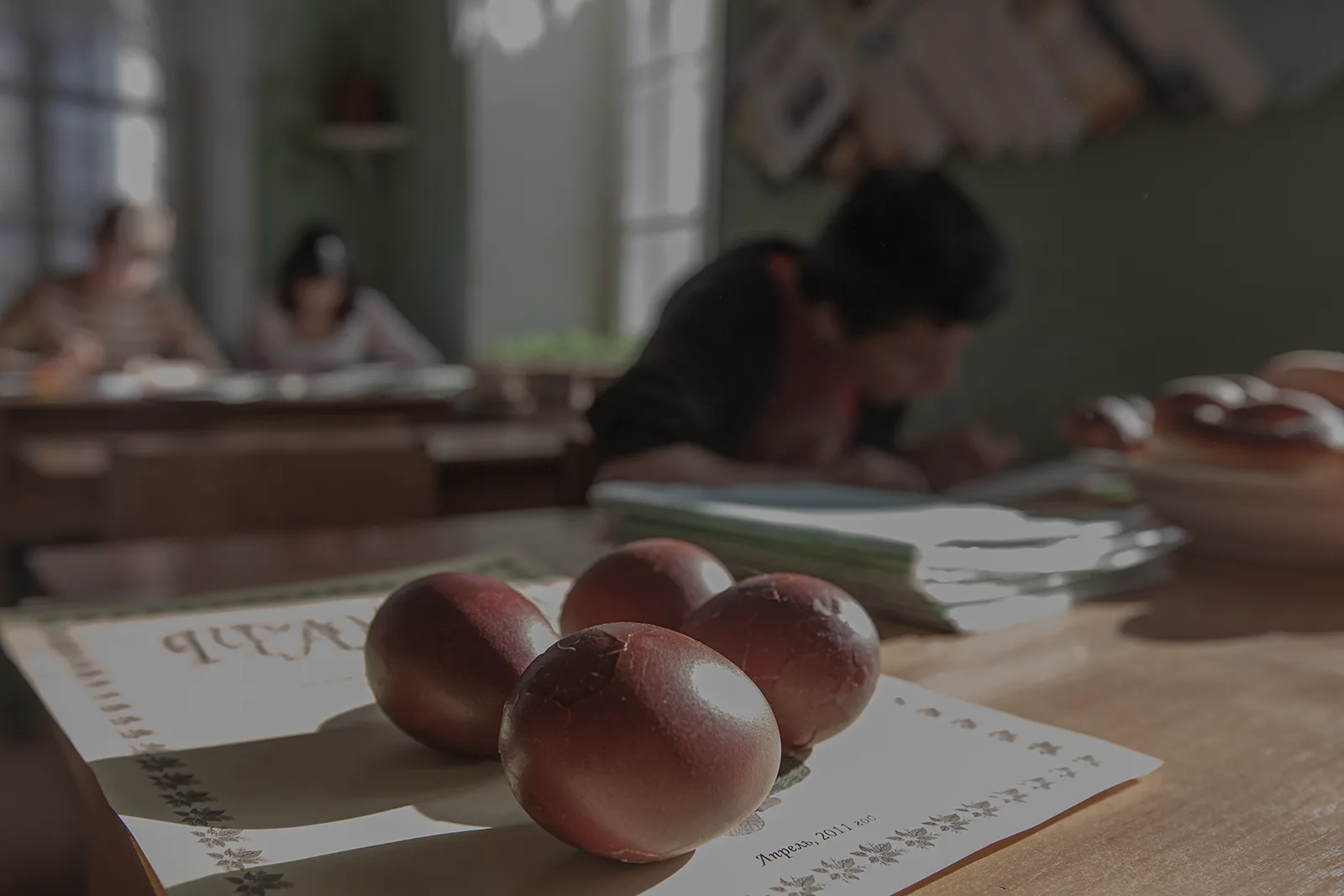
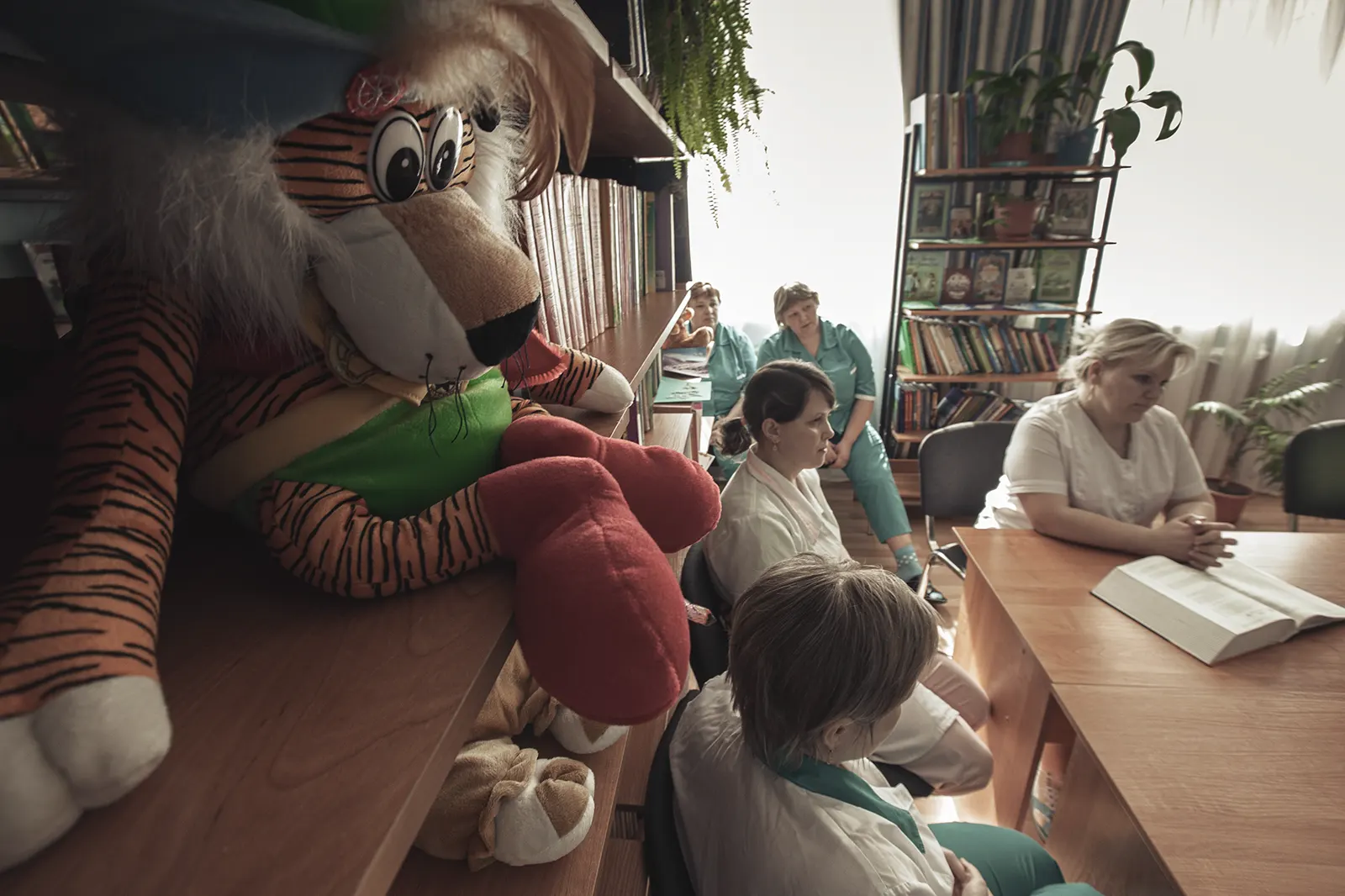
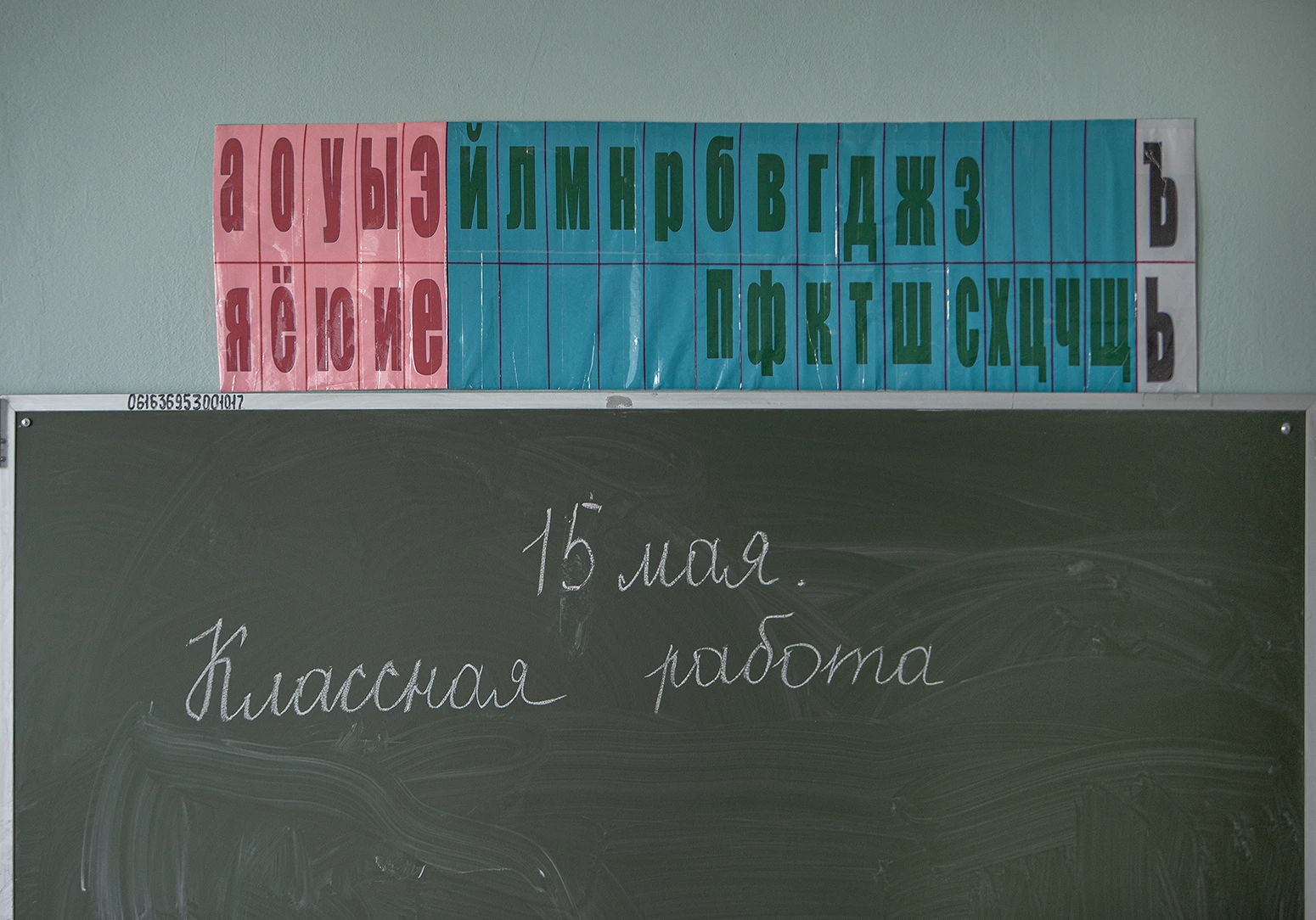
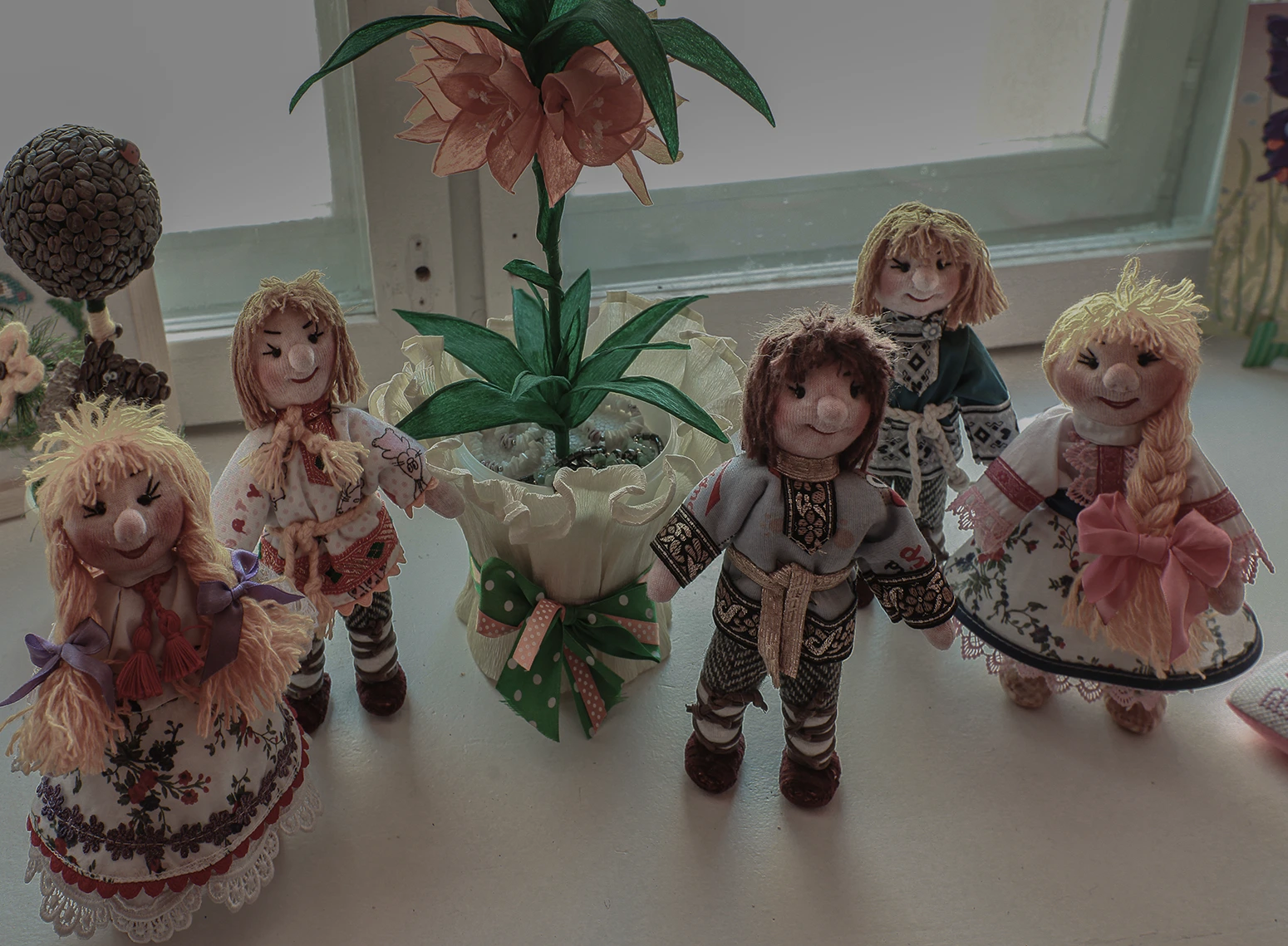
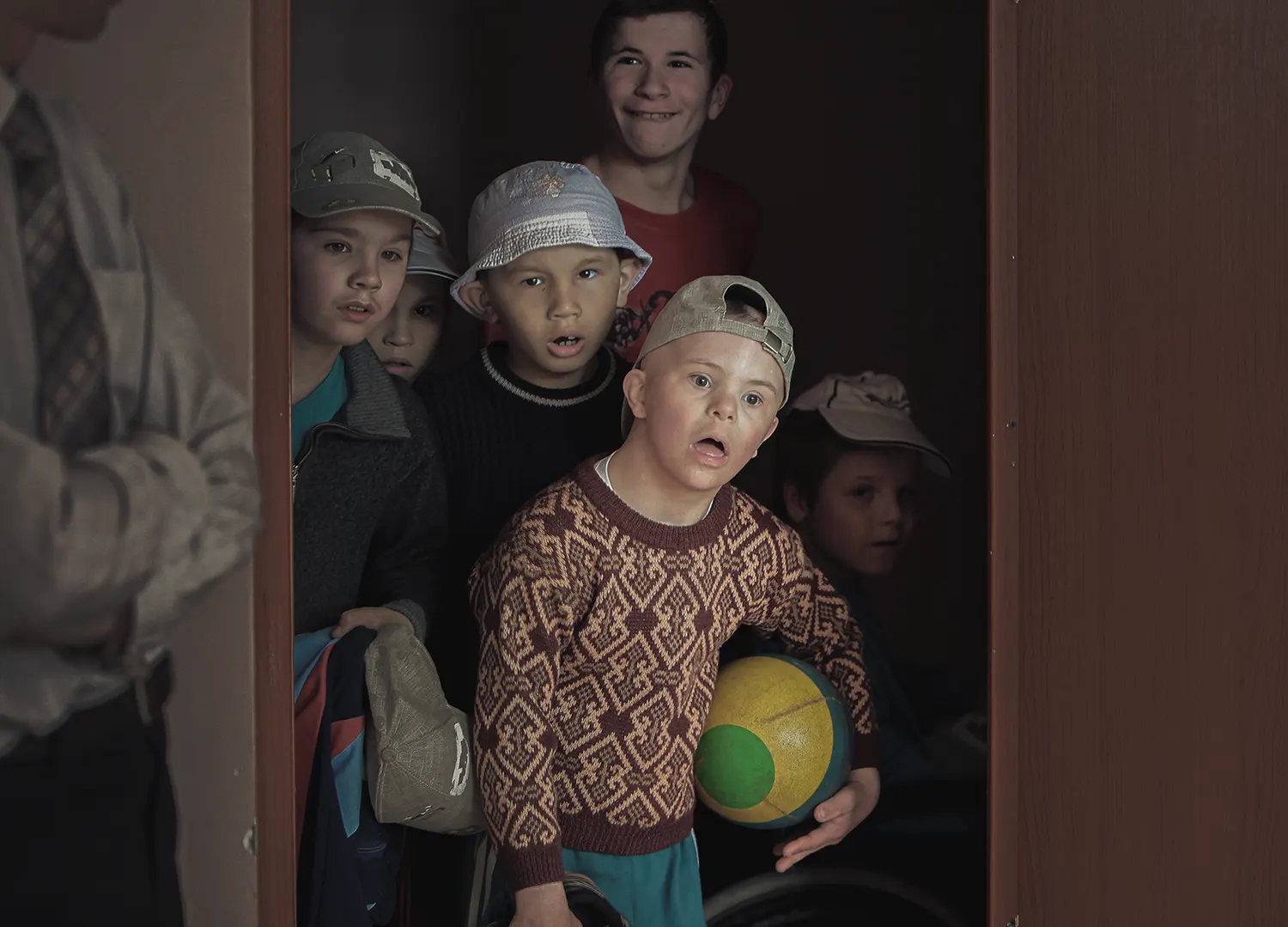
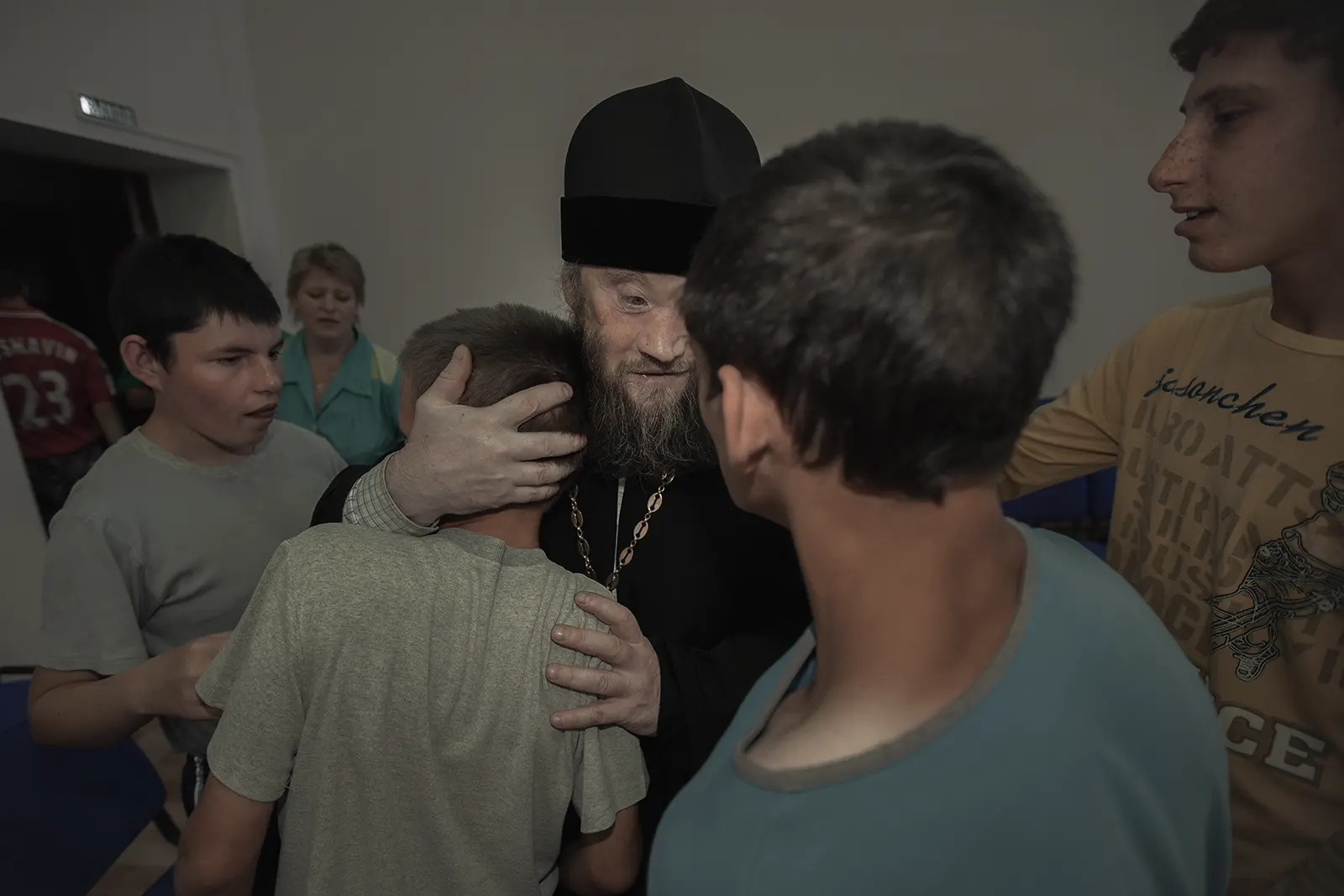
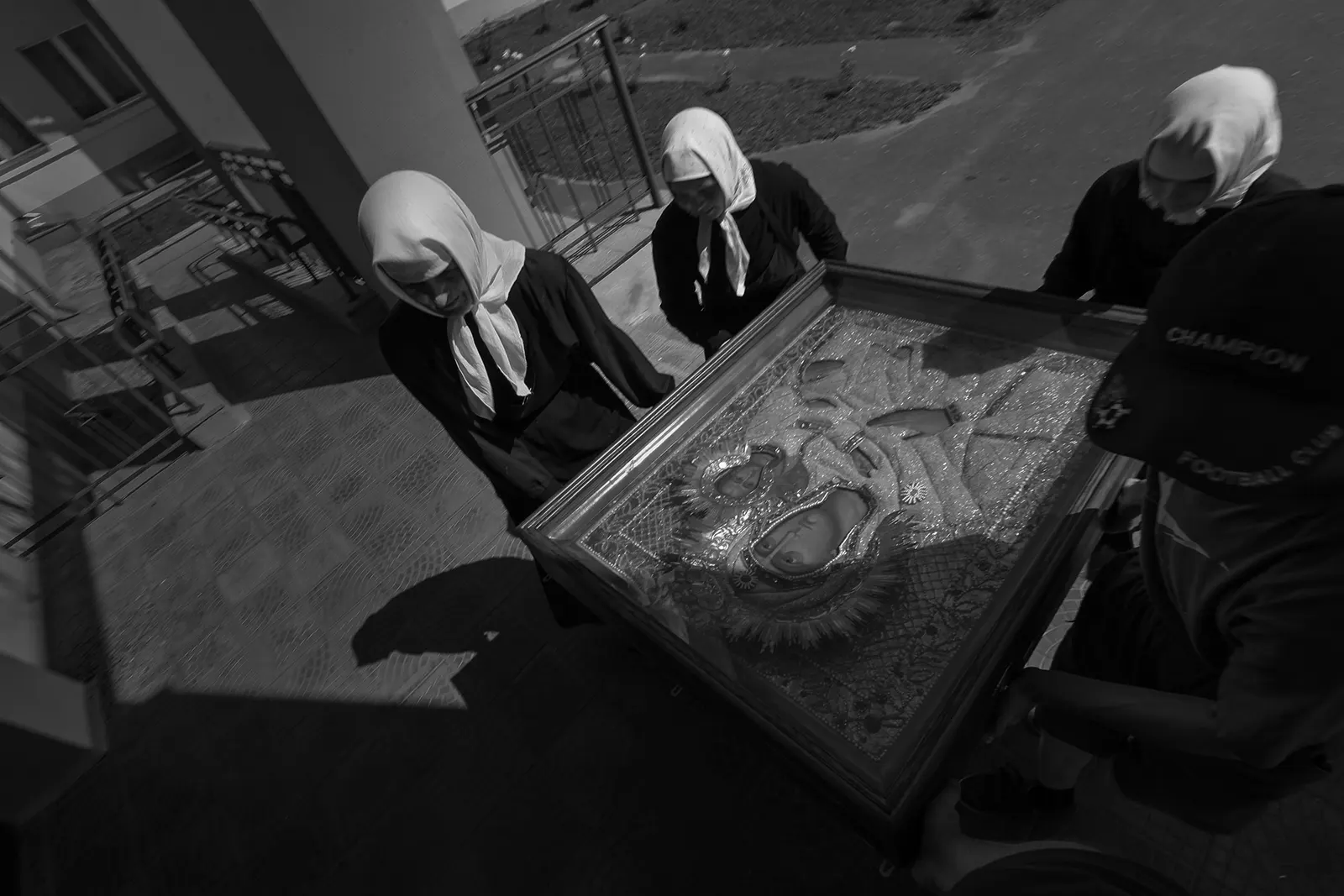
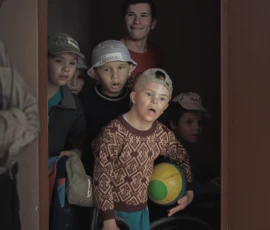
The Pervomaysky Children’s Residential Institution near Kostroma is a rare place in provincial Russia where children with severe developmental disabilities are not merely kept, but are given treatment, education, and a chance to reclaim life. There is rehabilitation, sport, workshops, classrooms, an Orthodox chapel, and people for whom these children are not forgotten human material, but individuals. In a country where, after the age of eighteen, many of them are simply transferred into the adult institutional system, this is already something significant.

Yet even such a model institution by provincial Russian standards remains far from the Western model, where systems of this kind were largely abandoned decades ago. There, a child with severe disabilities is more often supported within the family, placed with a foster family, or given the possibility of living in small assisted homes within society rather than outside it. In Russia, by contrast, for many such children the path still begins in a children’s institution and ends in an adult institution of the same type.

I may be reproached for the fact that most institutions of this kind in Russia are far worse. That is true. But my subject is not the endless display of external misery. It is a deeper problem that neither a good nor a bad institution can solve: what happens to these children after the age of eighteen. And here, unfortunately, there are no good scenarios in Russia, nor in many countries of the developing world. Even in the West, society is still far from being free of its stereotypes.

I am a Person

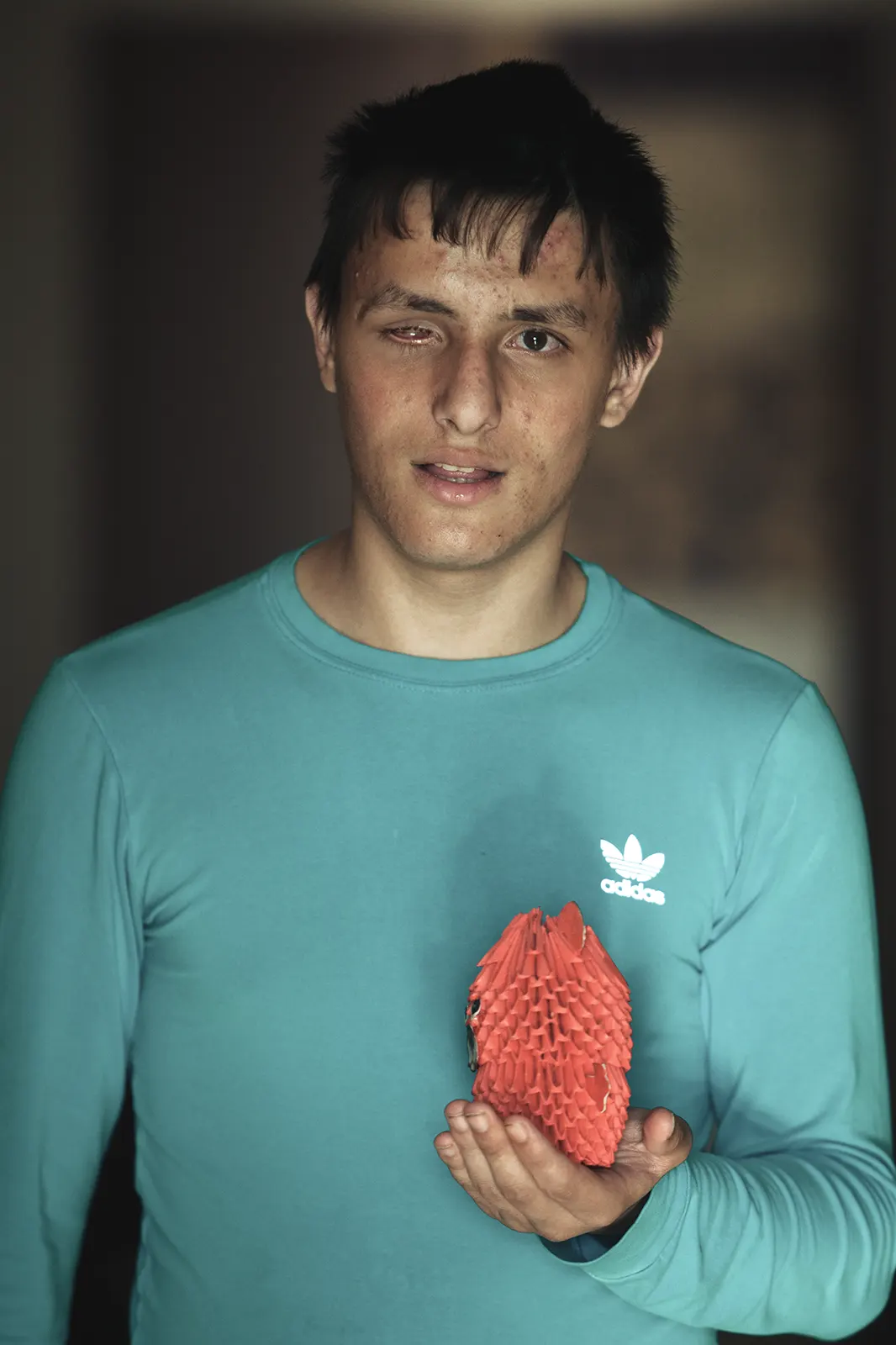
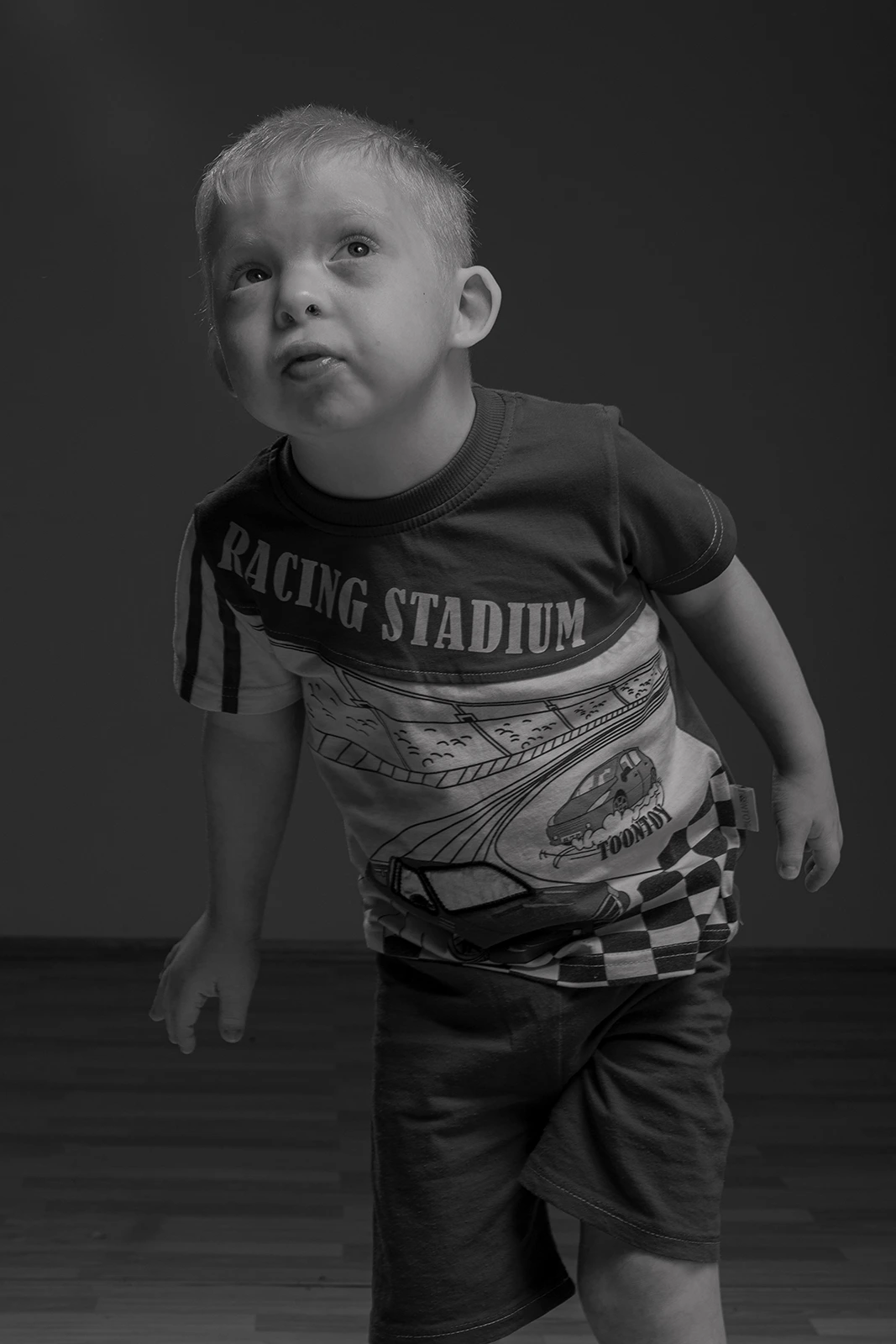
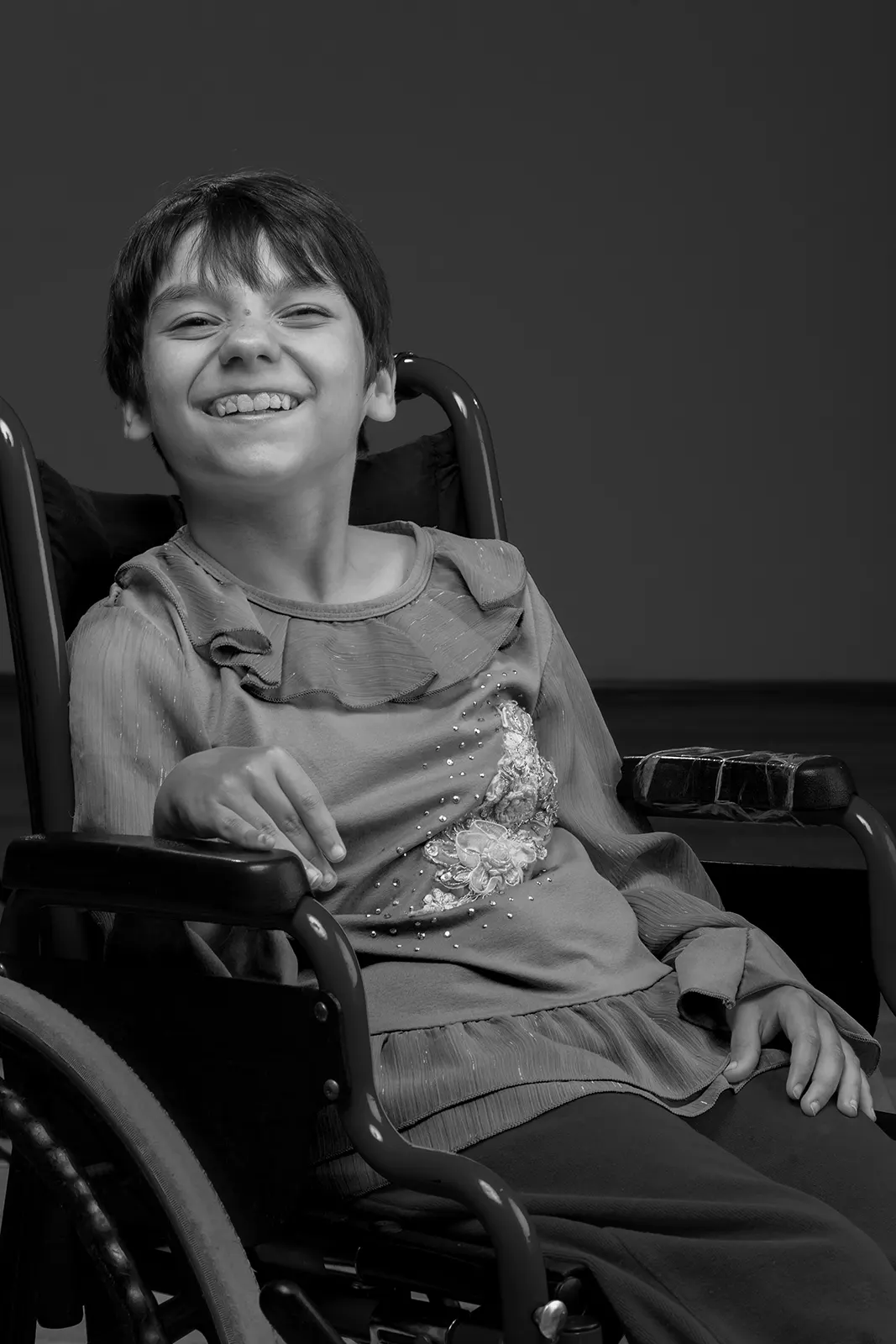
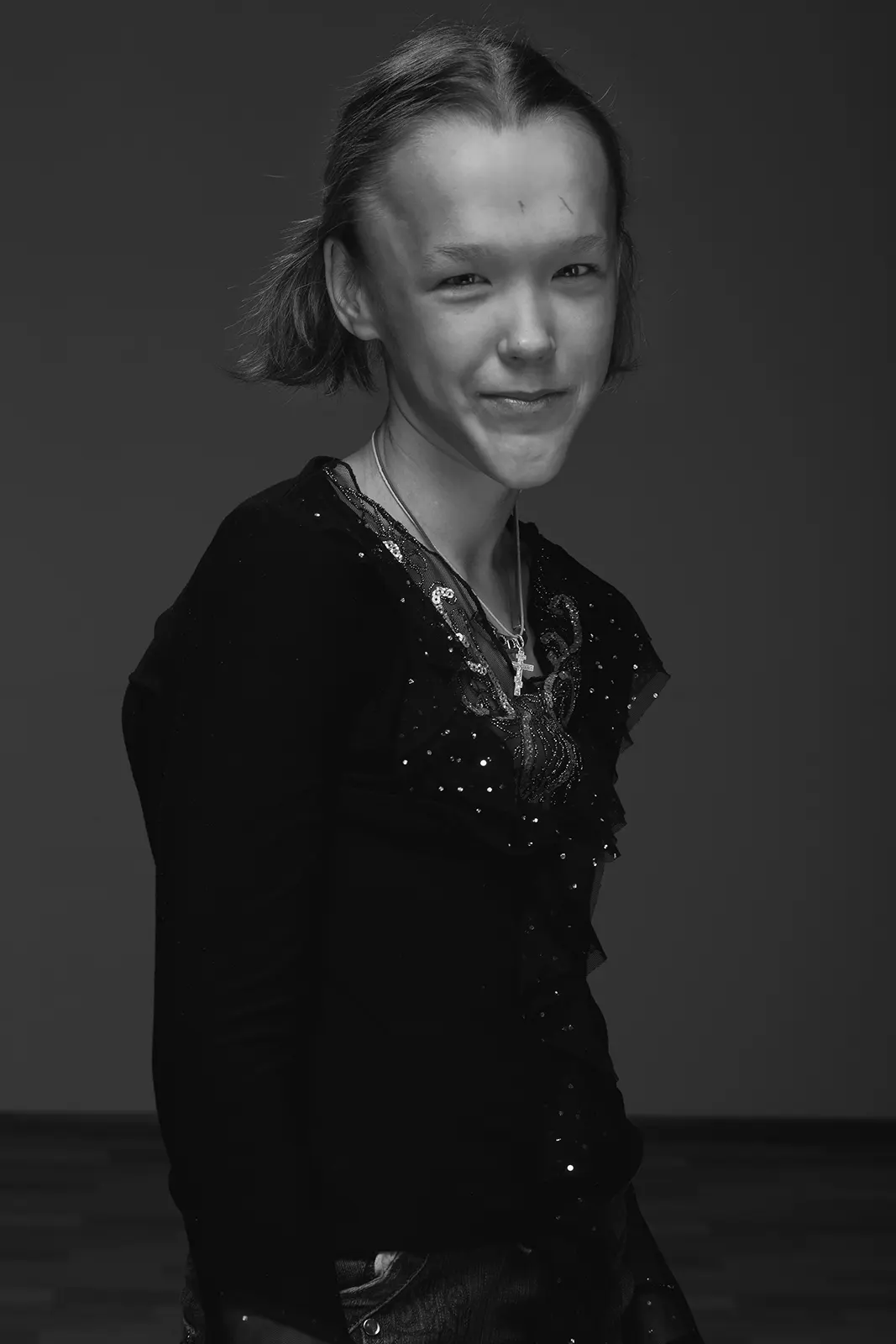
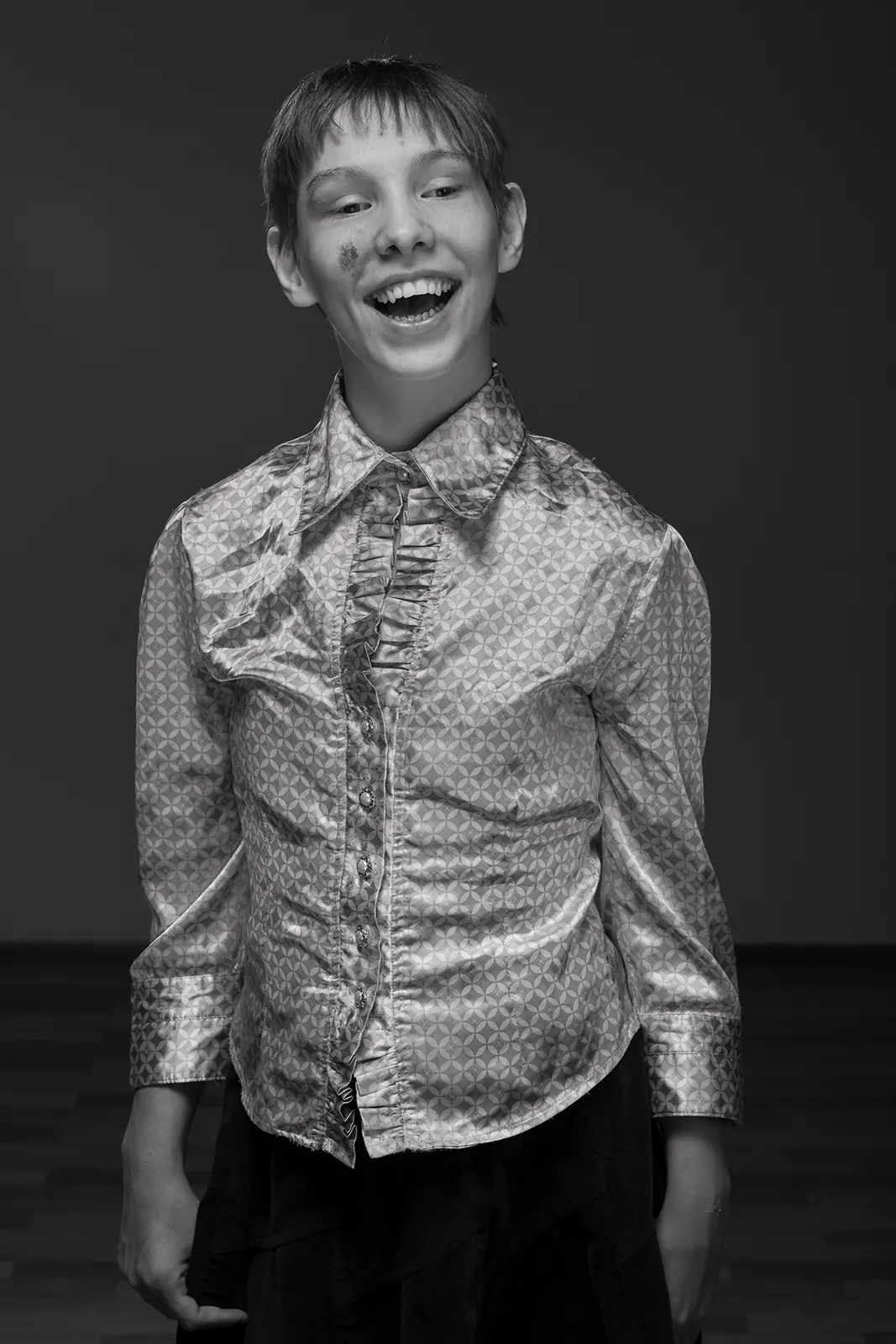
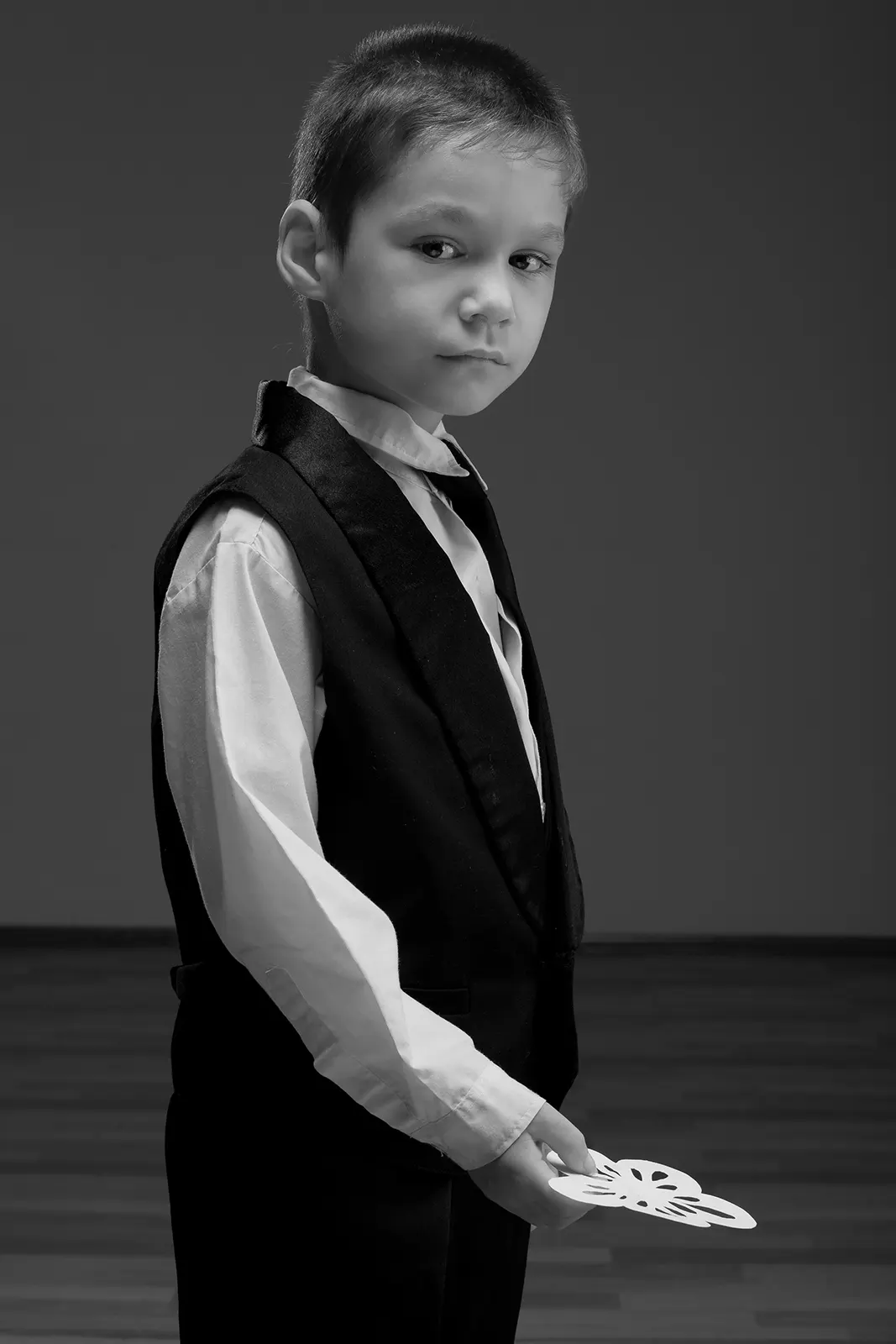
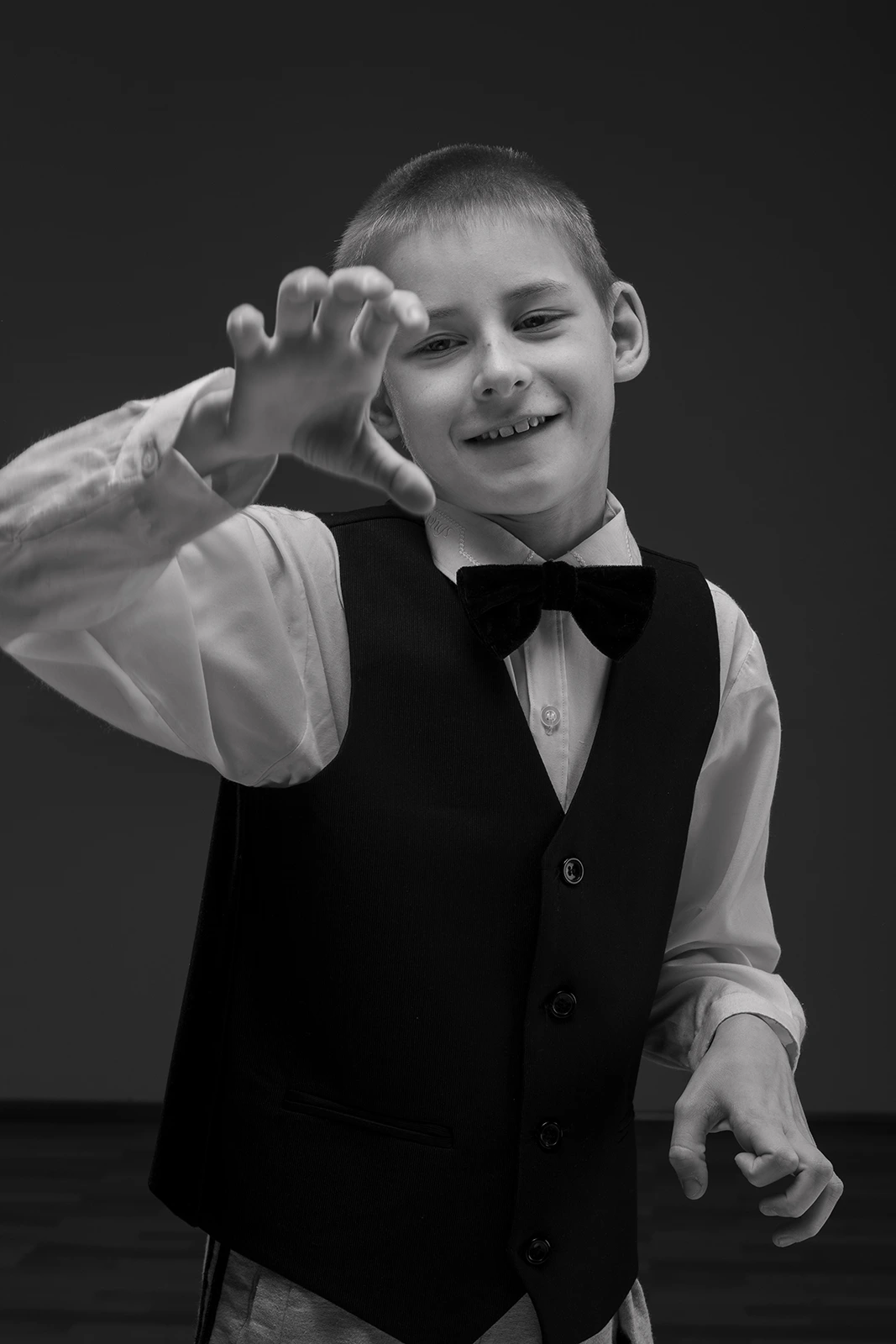
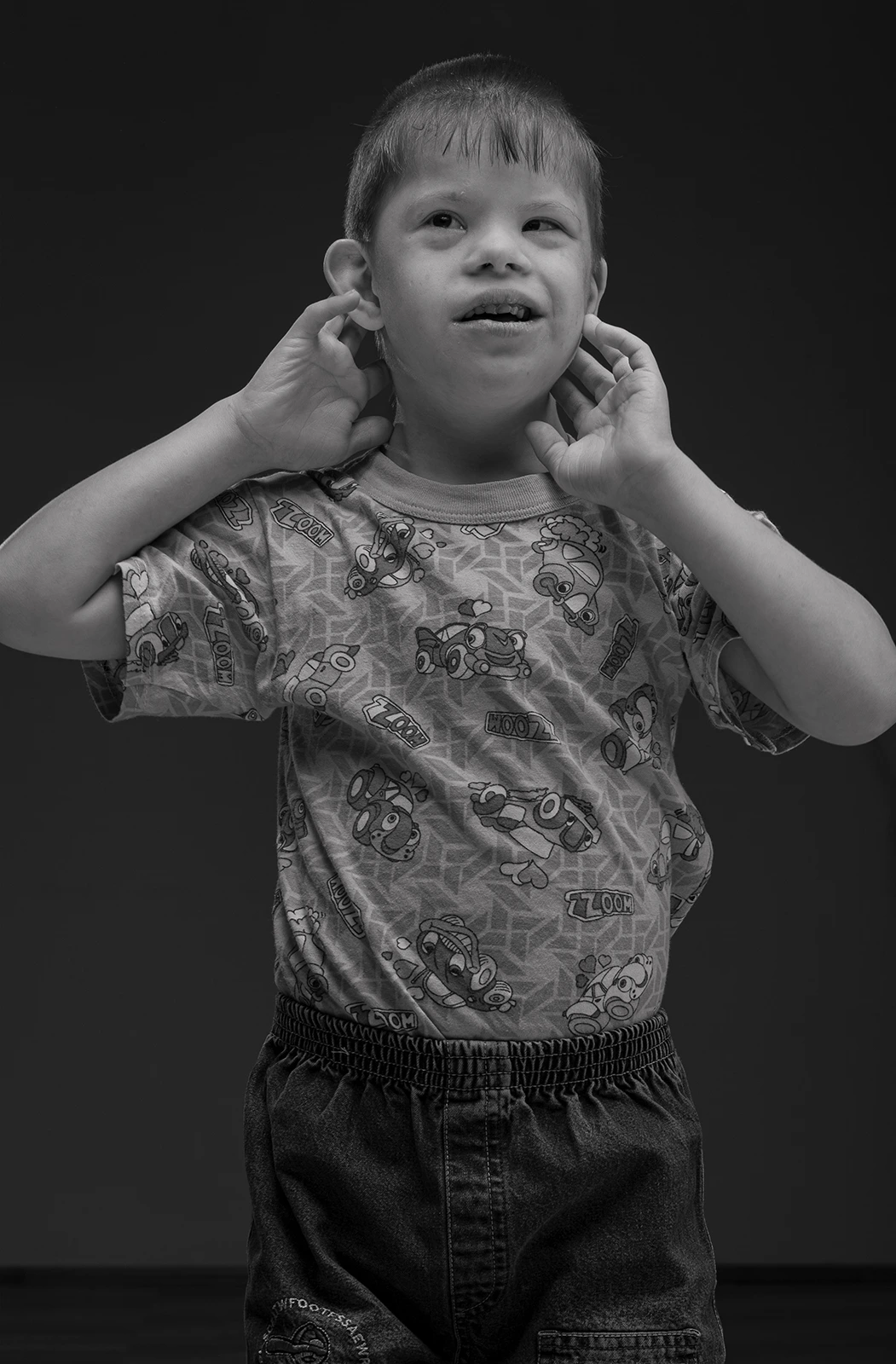
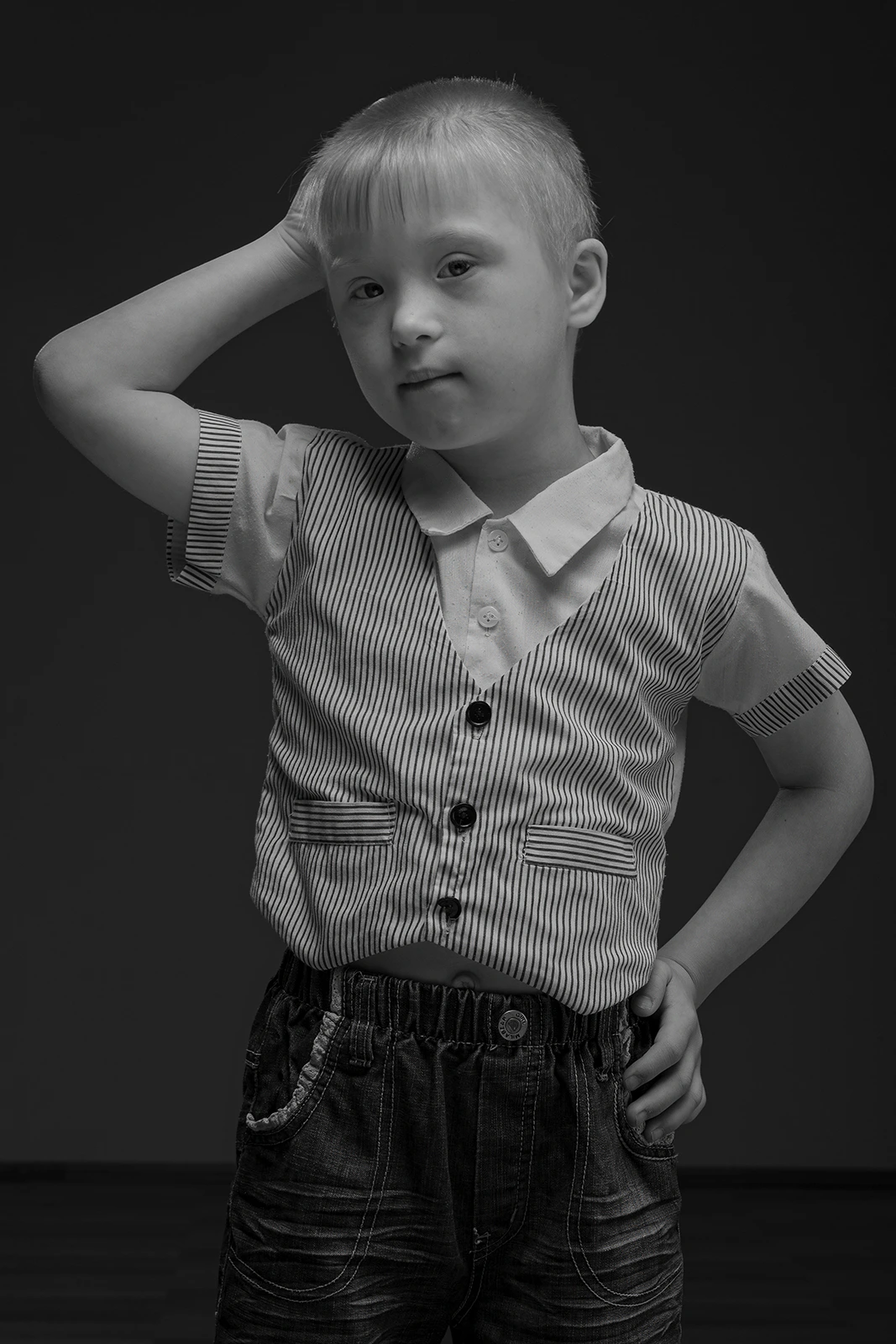
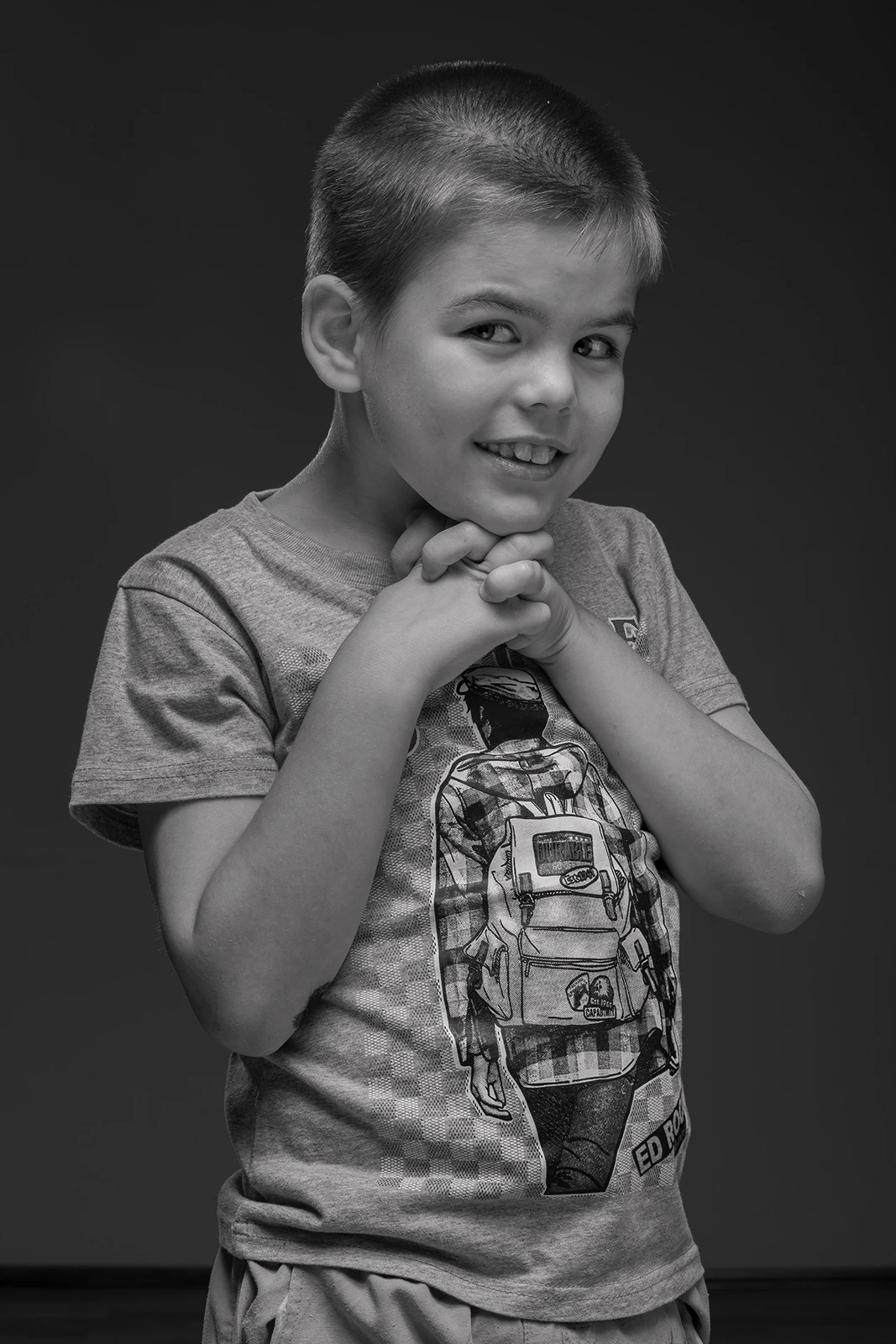
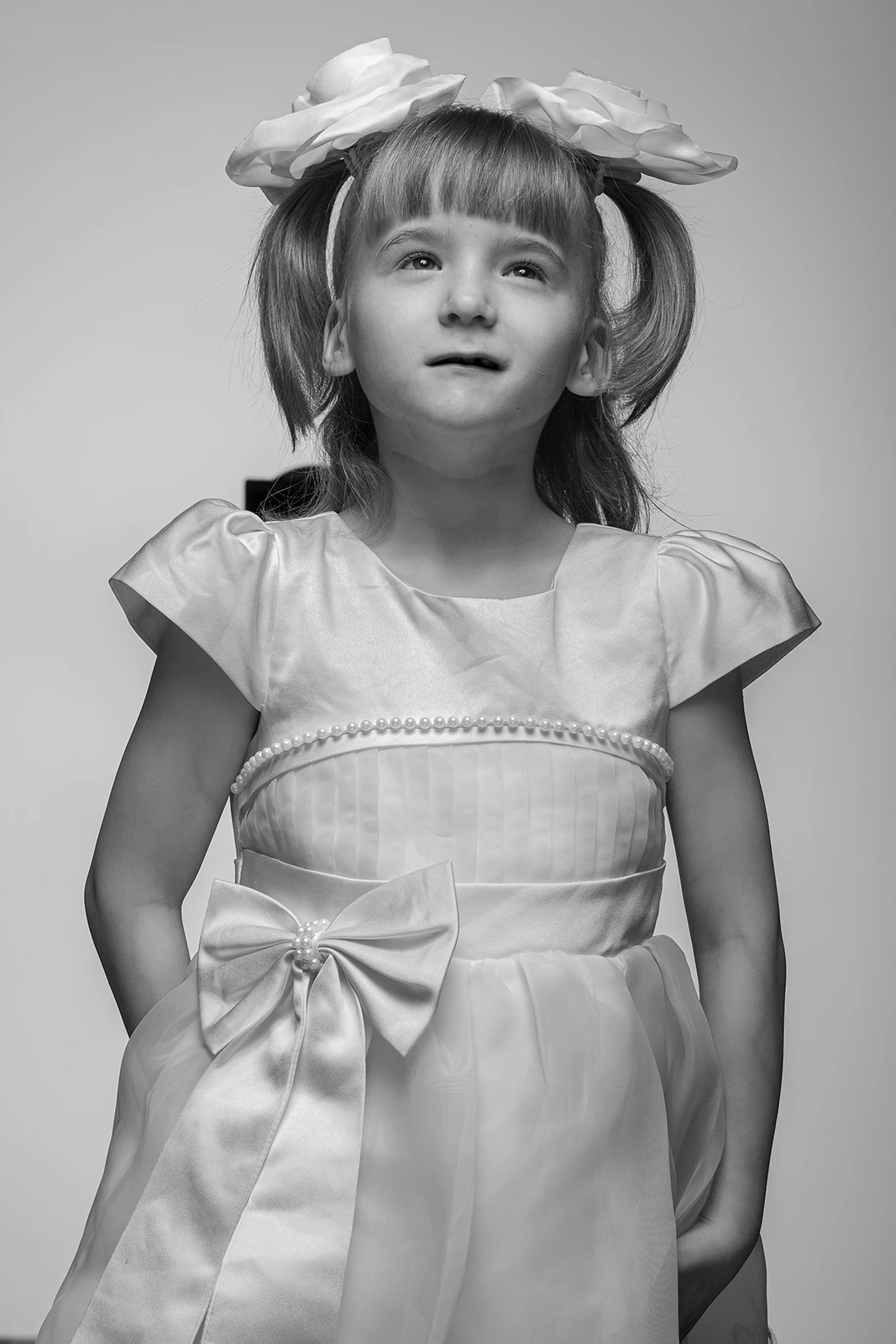
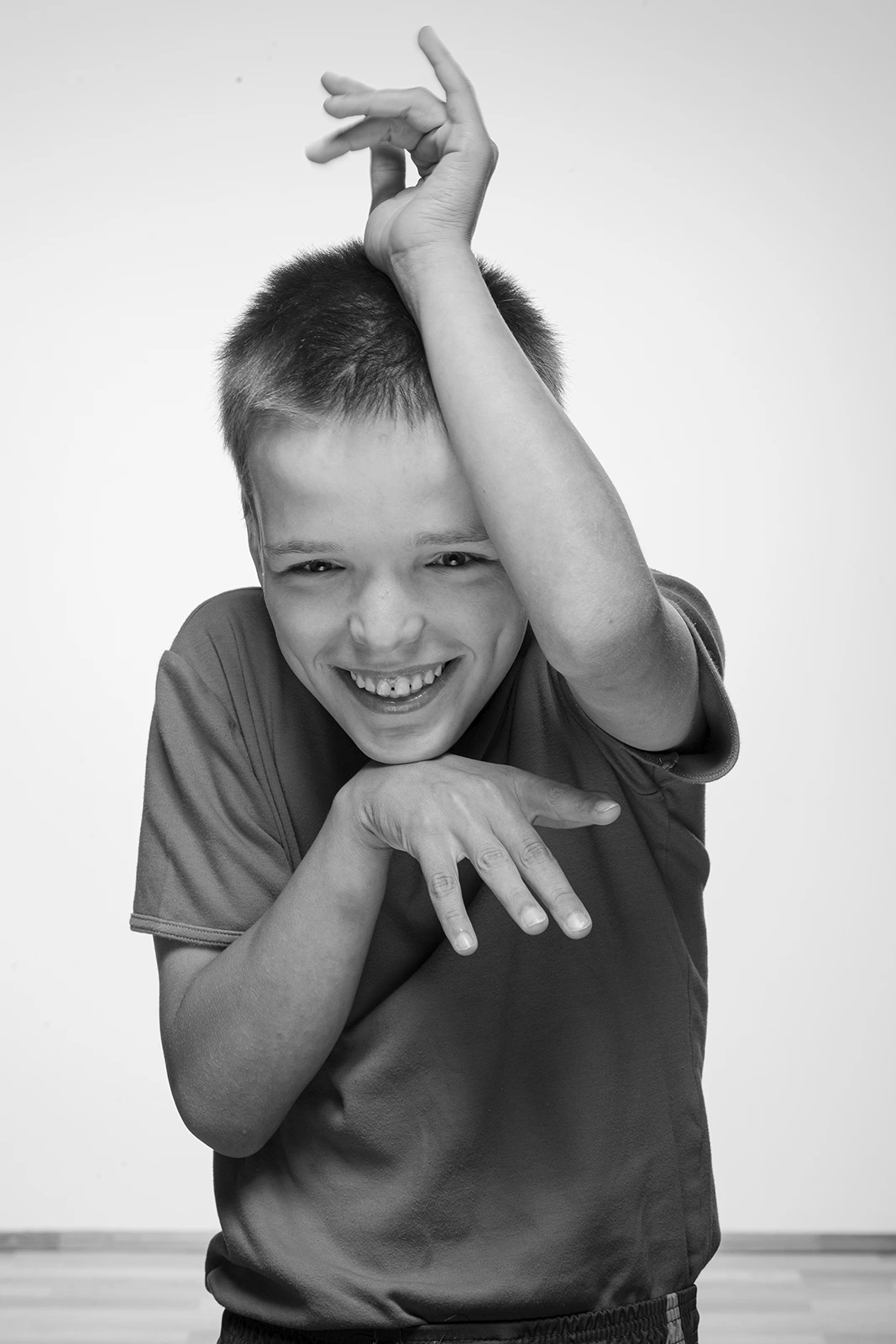
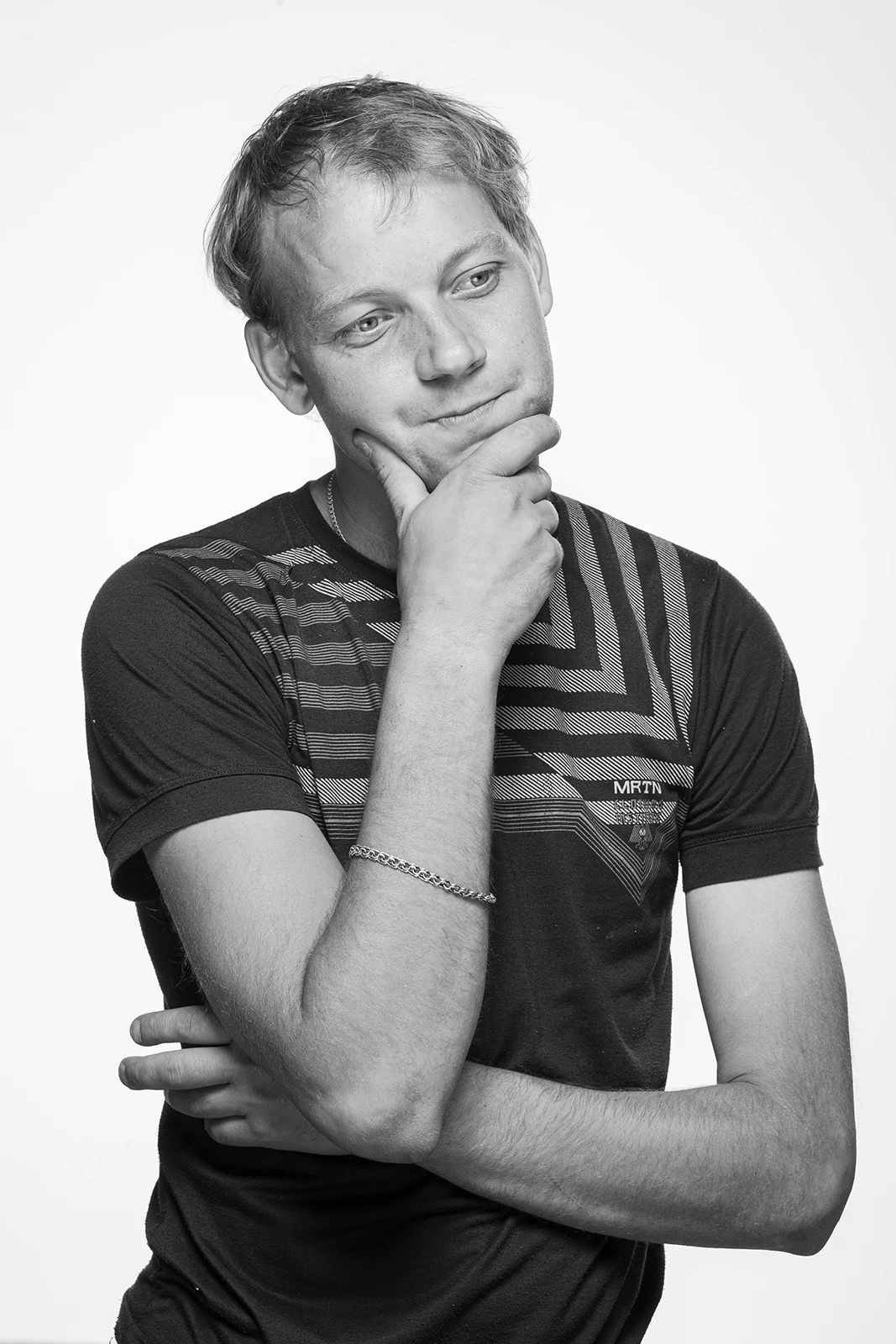
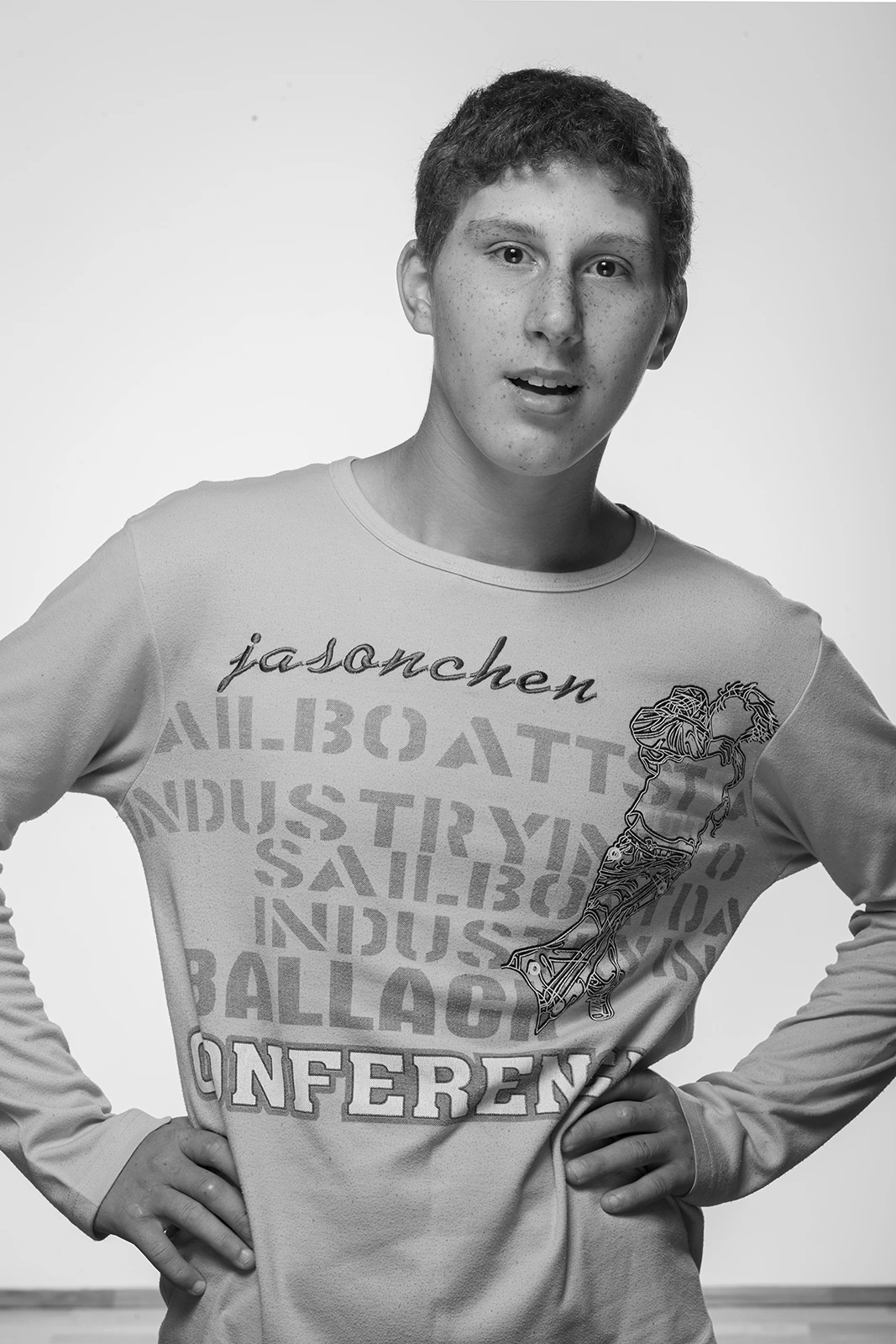
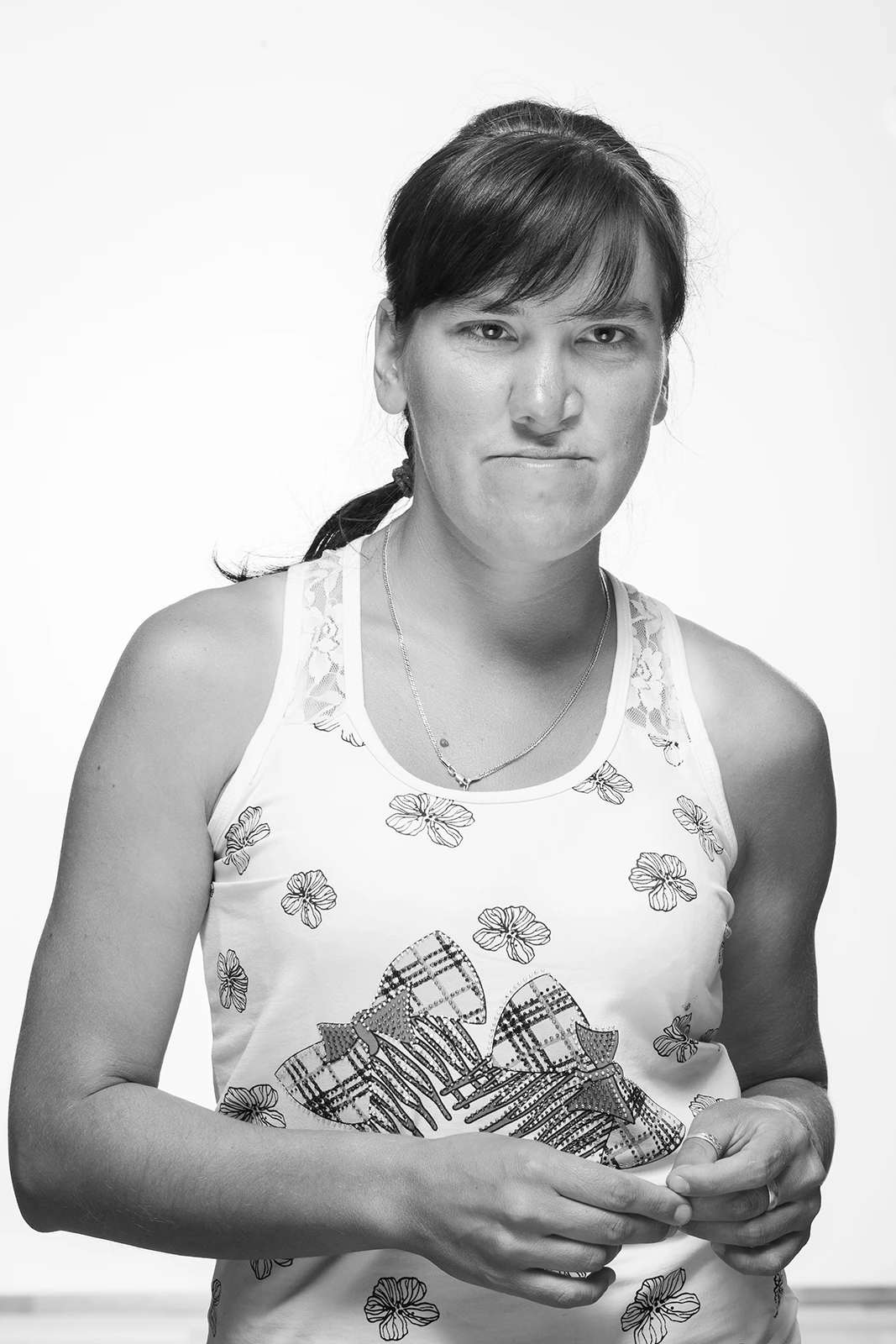
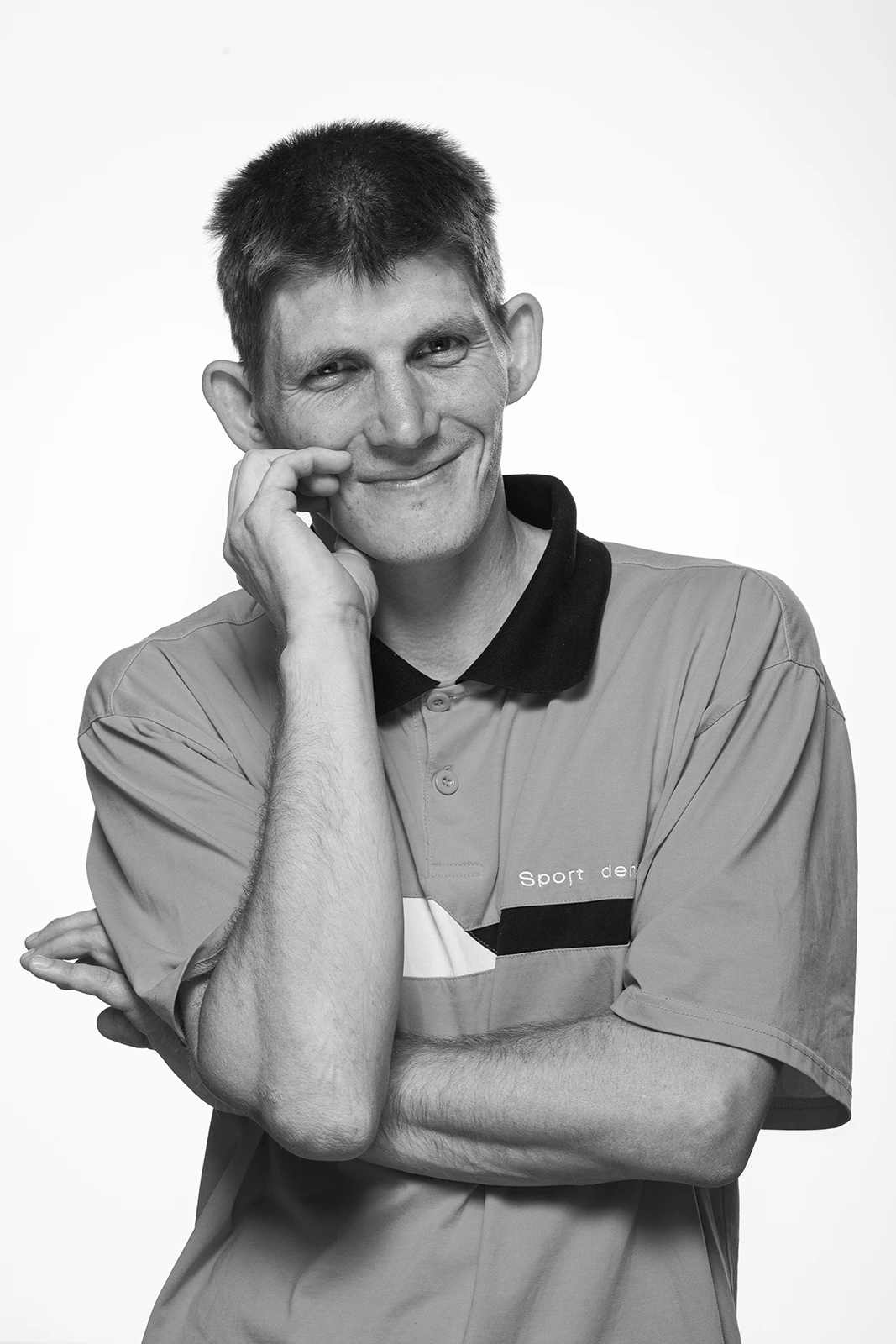
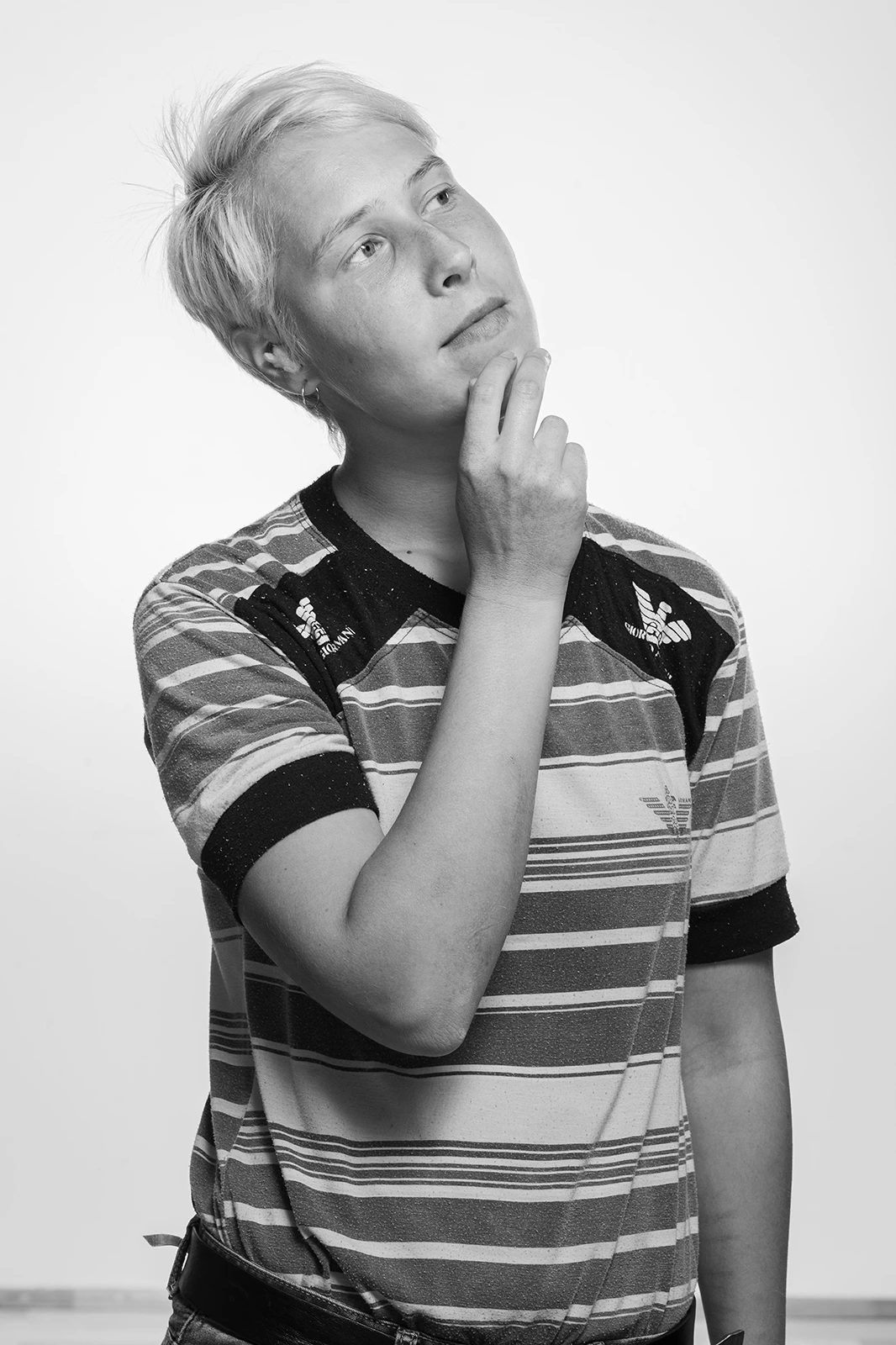
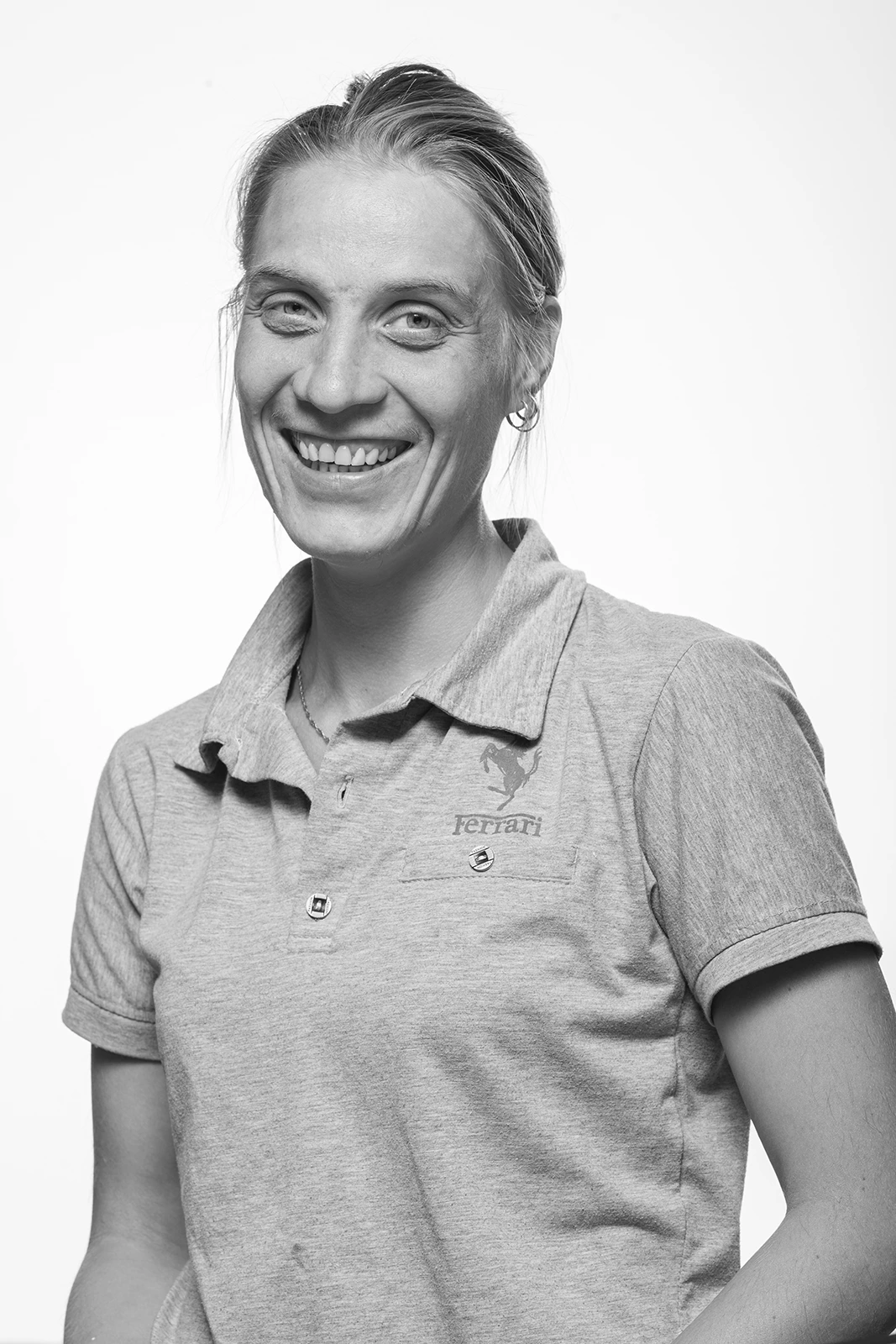
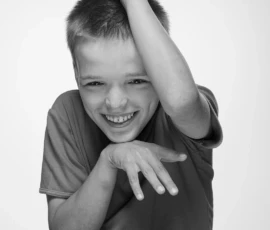
After several days of visiting the children’s institution near Kostroma, I understood that the children had to be photographed with studio lighting — it was the most precise way to emphasize their individuality. Projects of this kind were extremely rare, both because of the specific nature of the subjects and the legal complications surrounding such work.

I brought all the lighting equipment myself and built a studio inside the dance hall. I was deeply anxious about communication — asking them to pose, to stand a certain way, to keep still, to turn. But I can say this: I have never had better models in terms of sincerity and the unforced truth of their gestures. Some of the younger children were frightened; others were intensely curious and tried to begin the session by examining the photographic equipment.

I worked without an assistant and constantly had to make sure that no heavy studio flash would fall on anyone’s head. I placed the younger children against a black background, while the older children and young adults — recently transferred to the adult neuropsychiatric institution — were photographed against white. I give no captions to these photographs, because each one speaks for itself.

Adults

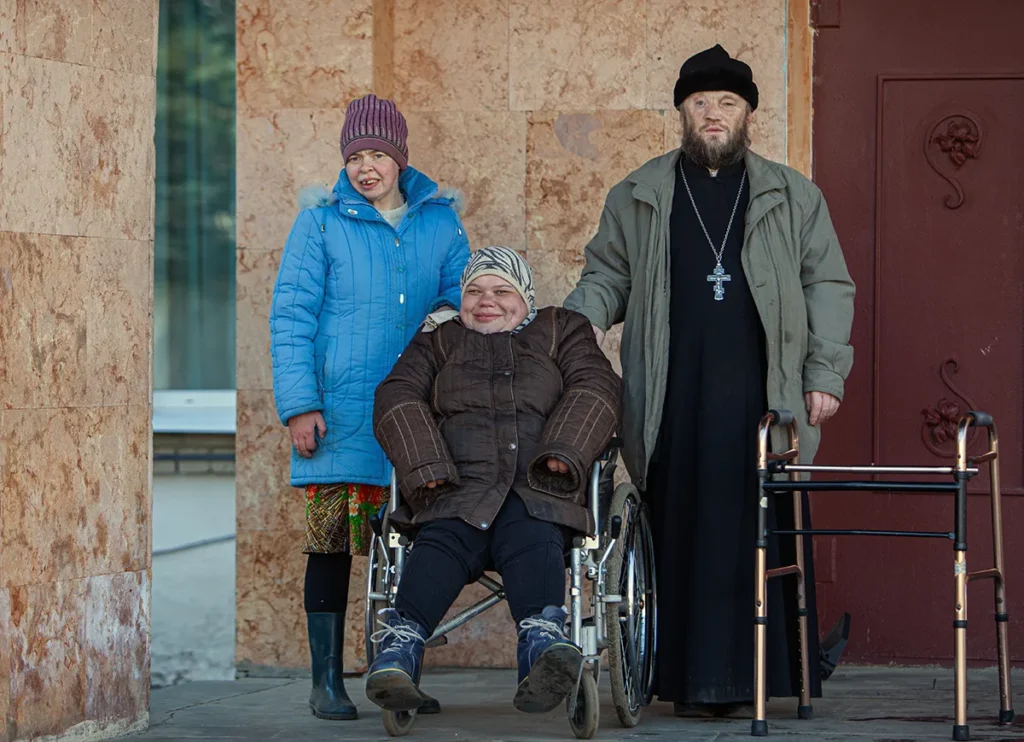
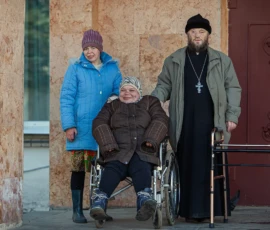
The final chapter consists of a single photograph, because I do not know what could be added to it. You can easily find many terrible images from adult neuropsychiatric institutions in Russia and across the former Soviet world. Here, an Orthodox priest, Father Mikhail, stands with two residents of an adult institution — people who were once children too.

The only thing I wish is that this section would never need to exist again.